

Więcej o książce
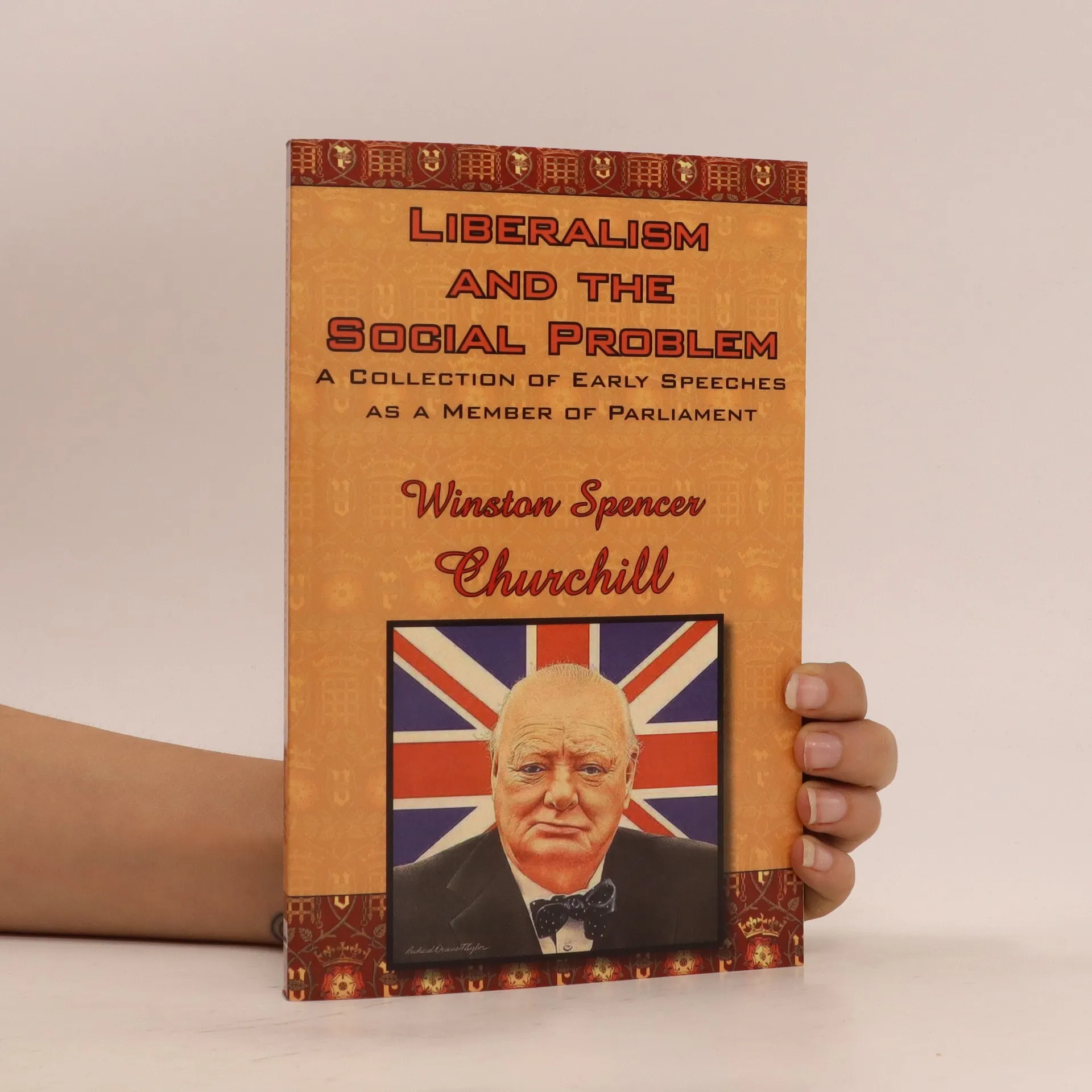
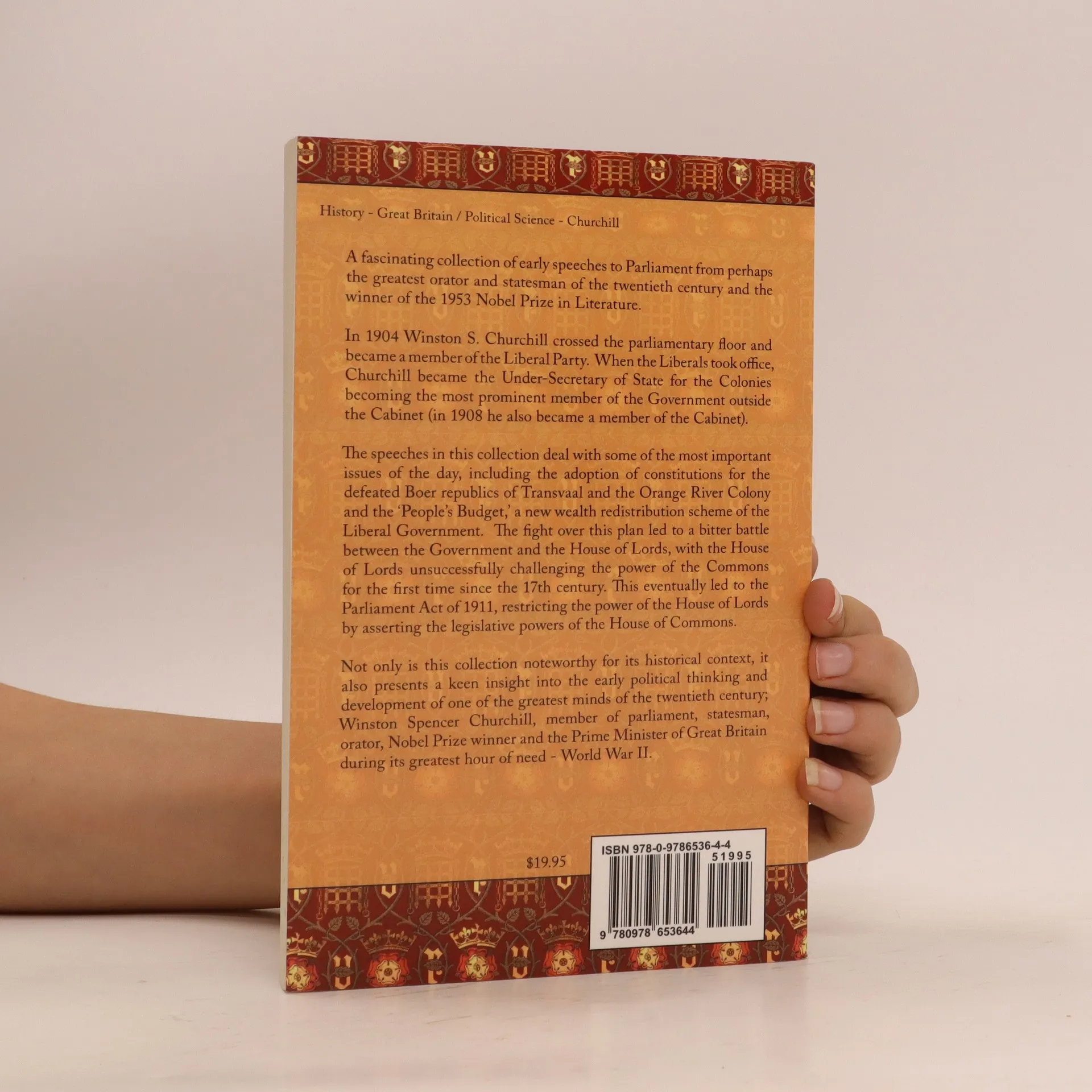
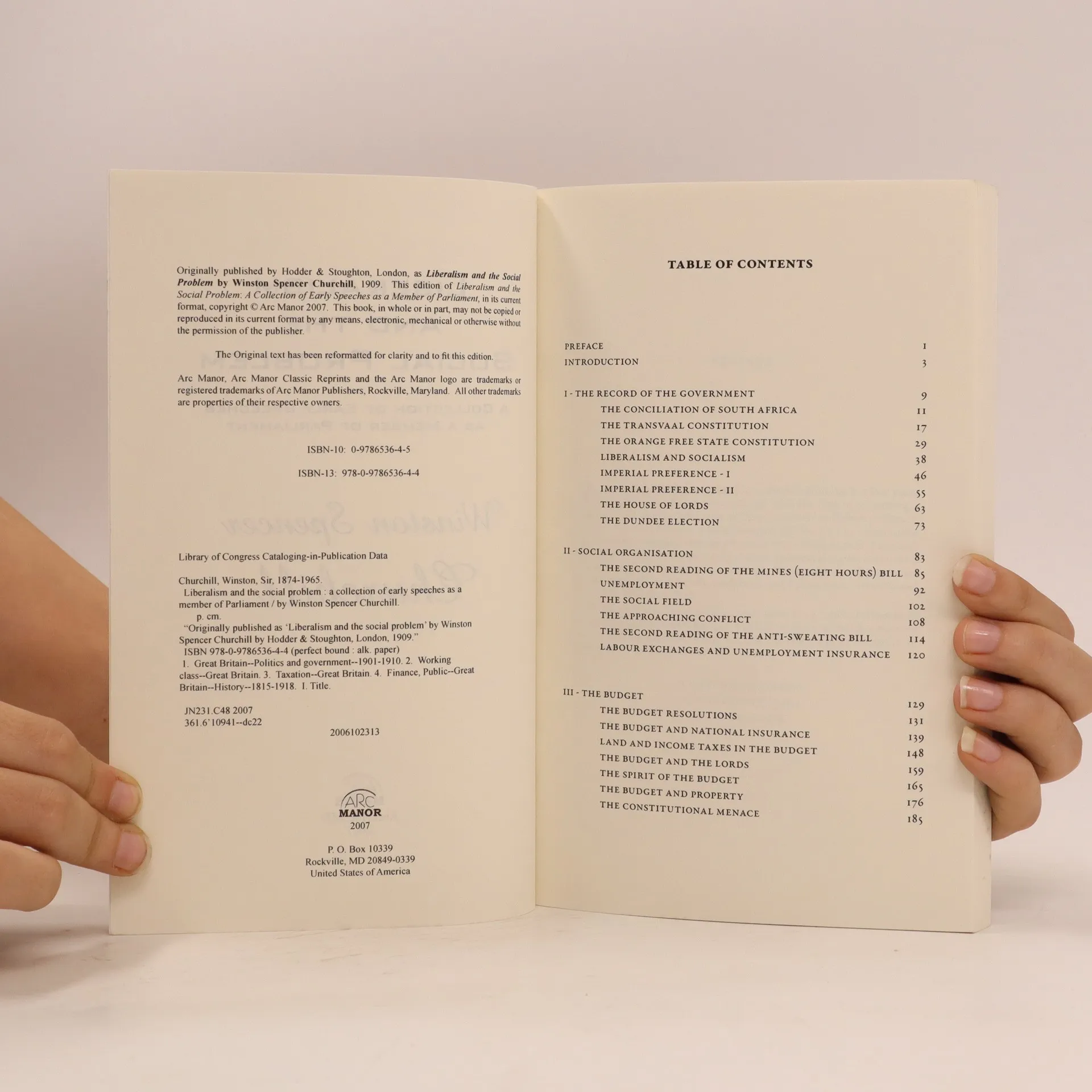
A captivating collection of early parliamentary speeches from one of the twentieth century's most renowned orators and statesmen, who won the 1953 Nobel Prize in Literature. In 1904, Winston S. Churchill joined the Liberal Party and, following their ascent to power, became Under-Secretary of State for the Colonies, emerging as a key government figure outside the Cabinet, later joining it in 1908. The speeches address critical issues of the time, such as the constitutions for the defeated Boer republics of Transvaal and the Orange River Colony, and the 'People's Budget,' a wealth redistribution initiative by the Liberal Government. The contentious debate over this budget ignited a fierce conflict between the Government and the House of Lords, marking the first significant challenge to the Commons' authority since the 17th century. This struggle ultimately led to the Parliament Act of 1911, which curtailed the power of the House of Lords and reinforced the legislative authority of the House of Commons. This collection not only holds historical significance but also offers profound insights into the early political thought and evolution of Churchill, who would later become Prime Minister during Britain's most challenging times in World War II.
Zakup książki
Liberalism and the Social Problem, Winston S. Churchill
- Język

- Rok wydania
- 2007
- Oprawa
- (miękka)
Metody płatności
Brakuje nam tutaj Twojej recenzji.
- Tytuł
- Liberalism and the Social Problem
- Język
- angielski
- Autorzy
- Winston S. Churchill
- Wydawca
- ARC Manor
- Rok wydania
- 2007
- Oprawa
- miękka
- Liczba stron
- 196
- ISBN10
- 0978653645
- ISBN13
- 9780978653644
- Seria
- Kategorie
- Ocena
- 3 z 5
- Opis
- A captivating collection of early parliamentary speeches from one of the twentieth century's most renowned orators and statesmen, who won the 1953 Nobel Prize in Literature. In 1904, Winston S. Churchill joined the Liberal Party and, following their ascent to power, became Under-Secretary of State for the Colonies, emerging as a key government figure outside the Cabinet, later joining it in 1908. The speeches address critical issues of the time, such as the constitutions for the defeated Boer republics of Transvaal and the Orange River Colony, and the 'People's Budget,' a wealth redistribution initiative by the Liberal Government. The contentious debate over this budget ignited a fierce conflict between the Government and the House of Lords, marking the first significant challenge to the Commons' authority since the 17th century. This struggle ultimately led to the Parliament Act of 1911, which curtailed the power of the House of Lords and reinforced the legislative authority of the House of Commons. This collection not only holds historical significance but also offers profound insights into the early political thought and evolution of Churchill, who would later become Prime Minister during Britain's most challenging times in World War II.