

Więcej o książce
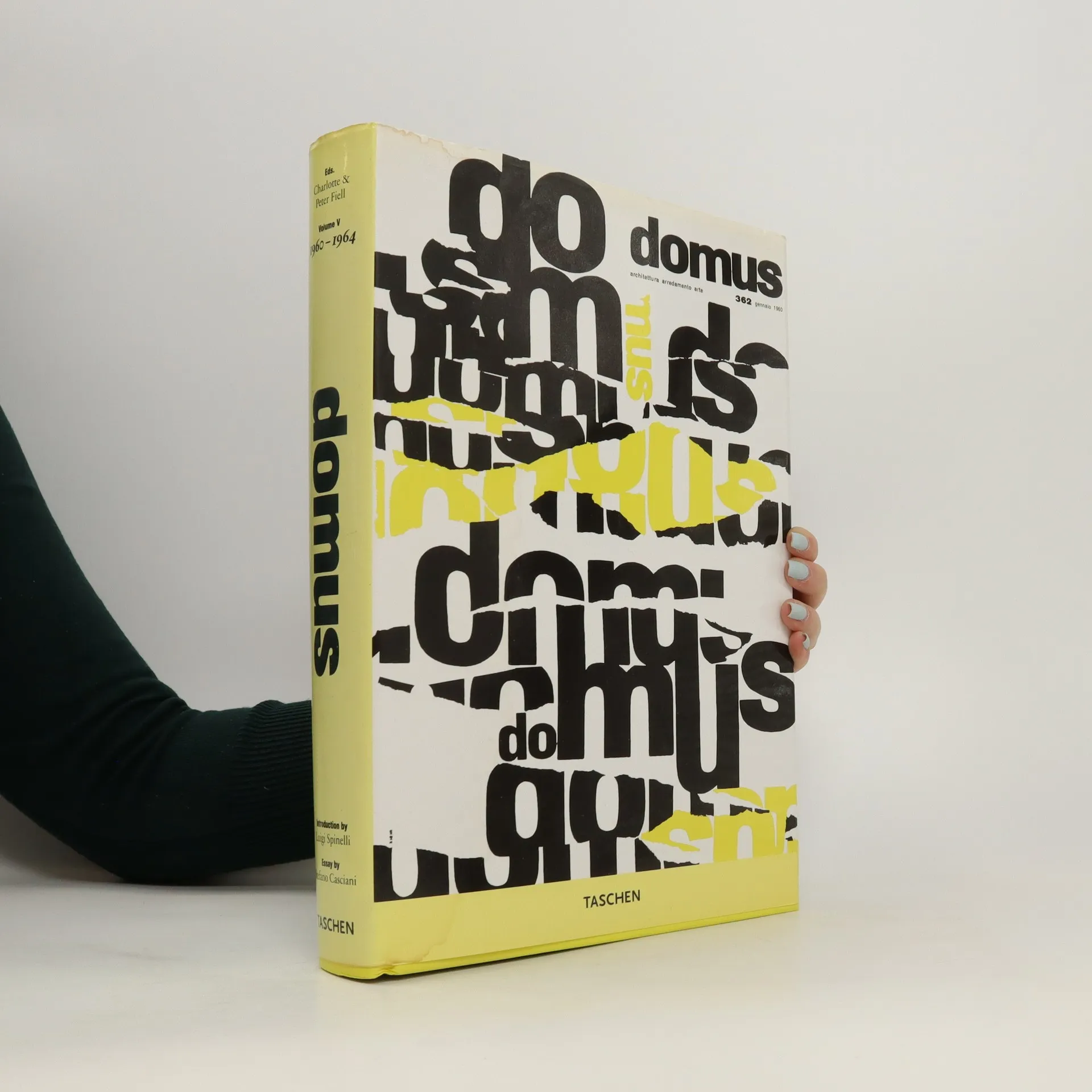
1960-1954: Design Goes Pop. This volume concentrates on the architecture and design of the first half of the 1960s, characterized by the coexistence of a number of different styles. The aftermath of the International style and Good Design were still noticeable whereas Organic Design, which had developed in parallel since the late 1940s, gradually lost its influence. From the early 1960s onwards, a new force took its place, geared toward Pop Art and popular culture, leading to Pop Design. This trend is particularly recognizable in interior design, where a variety of new synthetics and foam plastics replaced traditional materials such as metal, glass or wood, pointing the way to completely new designs. Volume V documents this with examples of designs by Ray and Charles Eames, Verner Panton, Achille and Pier Giacomo Castiglioni, and Joe Colombo. On the architectural side, the impressive buildings of Gio Ponti, Carlo Scarpa, Angelo Mangiarotti, James Stirling, and Eero Saarinen.
Zakup książki
Domus, Volume 5, 1960-1964, Charlotte Fiell, Peter Fiell
- Język


- Rok wydania
- 2008
- Oprawa
- (twarda)
Metody płatności
Nikt jeszcze nie ocenił.
- Tytuł
- Domus, Volume 5, 1960-1964
- Język
- angielski, włoski
- Autorzy
- Charlotte Fiell, Peter Fiell
- Wydawca
- Taschen
- Rok wydania
- 2008
- Oprawa
- twarda
- Liczba stron
- 580
- ISBN10
- 3836509555
- ISBN13
- 9783836509558
- Seria
- Tagi
- Opis
- 1960-1954: Design Goes Pop. This volume concentrates on the architecture and design of the first half of the 1960s, characterized by the coexistence of a number of different styles. The aftermath of the International style and Good Design were still noticeable whereas Organic Design, which had developed in parallel since the late 1940s, gradually lost its influence. From the early 1960s onwards, a new force took its place, geared toward Pop Art and popular culture, leading to Pop Design. This trend is particularly recognizable in interior design, where a variety of new synthetics and foam plastics replaced traditional materials such as metal, glass or wood, pointing the way to completely new designs. Volume V documents this with examples of designs by Ray and Charles Eames, Verner Panton, Achille and Pier Giacomo Castiglioni, and Joe Colombo. On the architectural side, the impressive buildings of Gio Ponti, Carlo Scarpa, Angelo Mangiarotti, James Stirling, and Eero Saarinen.