




Więcej o książce
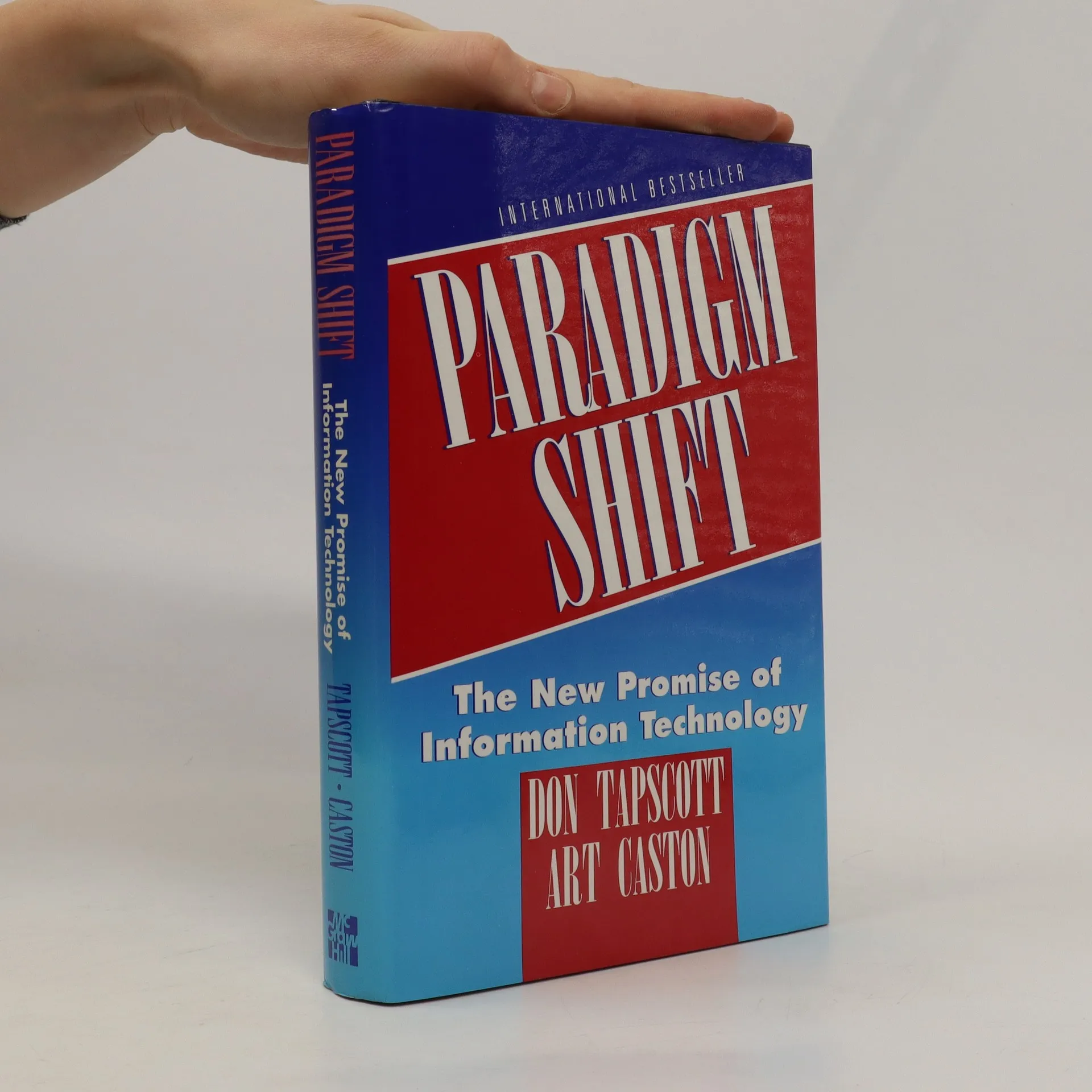
Organizations are striving to reinvent themselves in response to today's volatile global business environment, but existing computing systems often hinder this transformation. These systems are limited, costly, and slow to adapt. This book outlines how a new era of technology can facilitate the transition to a more effective enterprise. It offers guidance for managers and professionals, regardless of technical expertise, on how to leverage technology for immediate benefits while positioning their organizations for long-term success. Based on extensive investigations of over 4,500 businesses and government entities, the text synthesizes the experiences of leading companies navigating this transition. It highlights the potential of new technology to create open, networked "client/server" enterprises, impacting various aspects of business operations. Key topics include work-group computing, business process reengineering, and enterprise computing, all aimed at fostering high-performance teams and enhancing integration with customers and partners. The book discusses significant shifts in information technology, such as the movement from proprietary to open systems, host-based to network-based systems, and software craft to manufacturing. Most importantly, it provides critical insights on successfully transitioning to a second-era enterprise, drawing on real-world examples from notable companies like Toys 'R' Us and Federal Expr
Zakup książki
Paradigm Shift, Don Tapscott, Art Caston
- Język

- Rok wydania
- 1993
- Oprawa
- (twarda)
Metody płatności
Brakuje nam tutaj Twojej recenzji.
- Tytuł
- Paradigm Shift
- Język
- angielski
- Autorzy
- Don Tapscott, Art Caston
- Wydawca
- McGraw-Hill
- Rok wydania
- 1993
- Oprawa
- twarda
- Liczba stron
- 288
- ISBN10
- 0070628572
- ISBN13
- 9780070628571
- Seria
- Kategorie
- Tagi
- Biznes
- Ocena
- 3,75 z 5
- Opis
- Organizations are striving to reinvent themselves in response to today's volatile global business environment, but existing computing systems often hinder this transformation. These systems are limited, costly, and slow to adapt. This book outlines how a new era of technology can facilitate the transition to a more effective enterprise. It offers guidance for managers and professionals, regardless of technical expertise, on how to leverage technology for immediate benefits while positioning their organizations for long-term success. Based on extensive investigations of over 4,500 businesses and government entities, the text synthesizes the experiences of leading companies navigating this transition. It highlights the potential of new technology to create open, networked "client/server" enterprises, impacting various aspects of business operations. Key topics include work-group computing, business process reengineering, and enterprise computing, all aimed at fostering high-performance teams and enhancing integration with customers and partners. The book discusses significant shifts in information technology, such as the movement from proprietary to open systems, host-based to network-based systems, and software craft to manufacturing. Most importantly, it provides critical insights on successfully transitioning to a second-era enterprise, drawing on real-world examples from notable companies like Toys 'R' Us and Federal Expr