

Więcej o książce
About 2,000 years ago, the lands of today's Bulgaria became a part of one of the mightiest states in the Roman Empire. It was a change that reshaped the Balkan landscape, people, and culture. Roads were built. Cities were founded. Temples were erected in veneration of gods both old and new, and the streets buzzed with people from the Middle East, Central Europe, the Apennine Peninsula. In times of peace for Roman Bulgaria, soldiers guarded the long Danubian border, merchants did business with all corners of the empire, and gladiators fought for the entertainment of the populace. In times of war, "Barbarians" attacked, cities were sacked, and emperors were killed in battle. The centuries that passed since the fall of the empire have eaten up most of the Roman heritage in Bulgaria. Roads and cities, statues and temples were lost forever, destroyed in wars and by people who used them for cheap construction material, overbuilt with newer buildings, ravished by treasure-hunters. Still, a lot of Bulgaria's Roman past has survived and is now ready for exploration. Theatres and public baths, stadiums and mansions, statues and fine mosaics, basilicas and painted tombs, modern museums and overgrown they all await the curious traveller who is eager to go outside the beaten track of Roman heritage tourism and to discover a lesser known, but fascinating corner of the long-gone empire.
Zakup książki
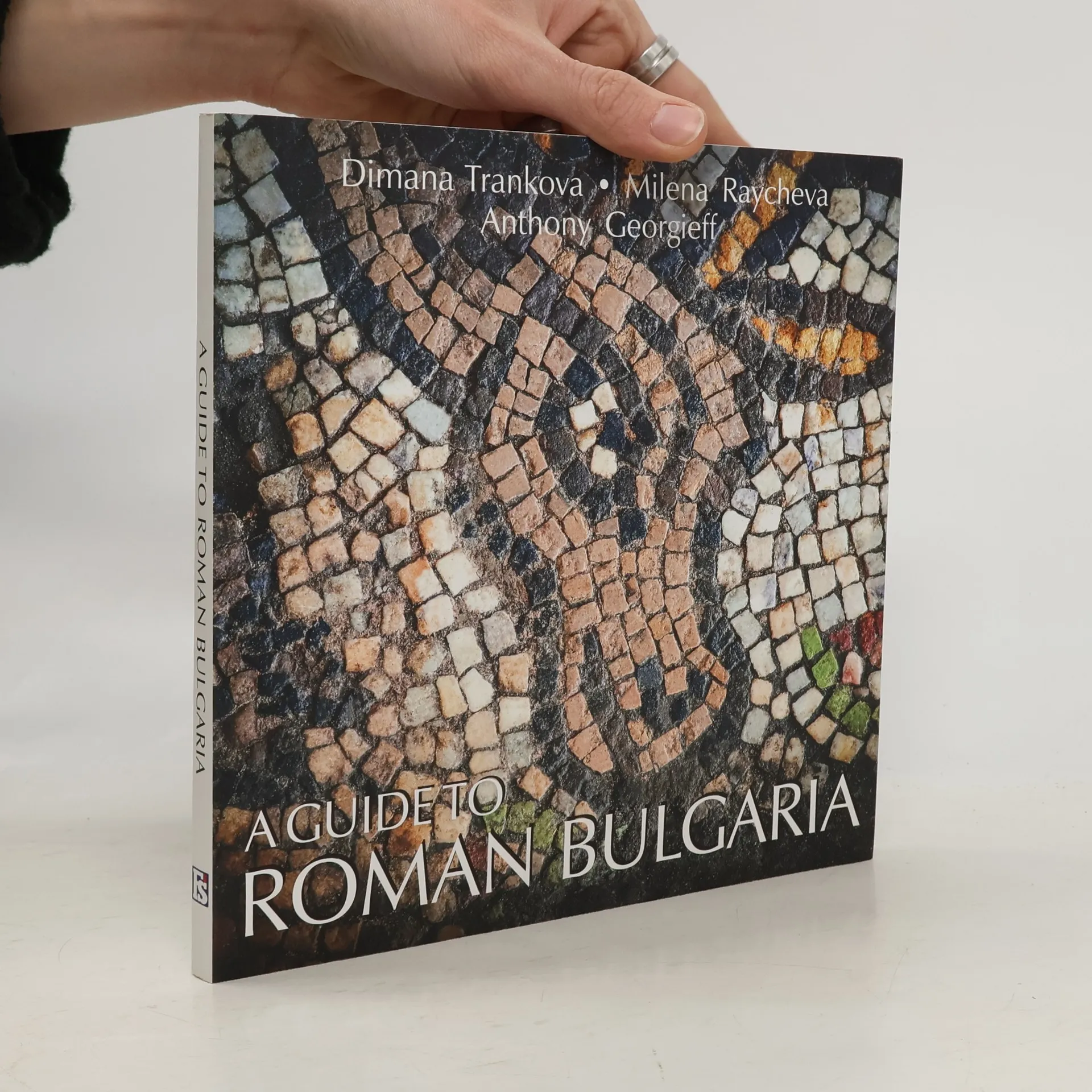
A Guide to Roman Bulgaria, Dimana Trankova
- Język

- Rok wydania
- 2016
- Oprawa
- (miękka)
Metody płatności
Nikt jeszcze nie ocenił.
- Tytuł
- A Guide to Roman Bulgaria
- Język
- angielski
- Autorzy
- Dimana Trankova
- Wydawca
- FSI Foundation
- Rok wydania
- 2016
- Oprawa
- miękka
- Liczba stron
- 165
- ISBN10
- 6199031946
- ISBN13
- 9786199031940
- Seria
- Kategorie
- Tagi
- Opis
- About 2,000 years ago, the lands of today's Bulgaria became a part of one of the mightiest states in the Roman Empire. It was a change that reshaped the Balkan landscape, people, and culture. Roads were built. Cities were founded. Temples were erected in veneration of gods both old and new, and the streets buzzed with people from the Middle East, Central Europe, the Apennine Peninsula. In times of peace for Roman Bulgaria, soldiers guarded the long Danubian border, merchants did business with all corners of the empire, and gladiators fought for the entertainment of the populace. In times of war, "Barbarians" attacked, cities were sacked, and emperors were killed in battle. The centuries that passed since the fall of the empire have eaten up most of the Roman heritage in Bulgaria. Roads and cities, statues and temples were lost forever, destroyed in wars and by people who used them for cheap construction material, overbuilt with newer buildings, ravished by treasure-hunters. Still, a lot of Bulgaria's Roman past has survived and is now ready for exploration. Theatres and public baths, stadiums and mansions, statues and fine mosaics, basilicas and painted tombs, modern museums and overgrown they all await the curious traveller who is eager to go outside the beaten track of Roman heritage tourism and to discover a lesser known, but fascinating corner of the long-gone empire.