


Więcej o książce
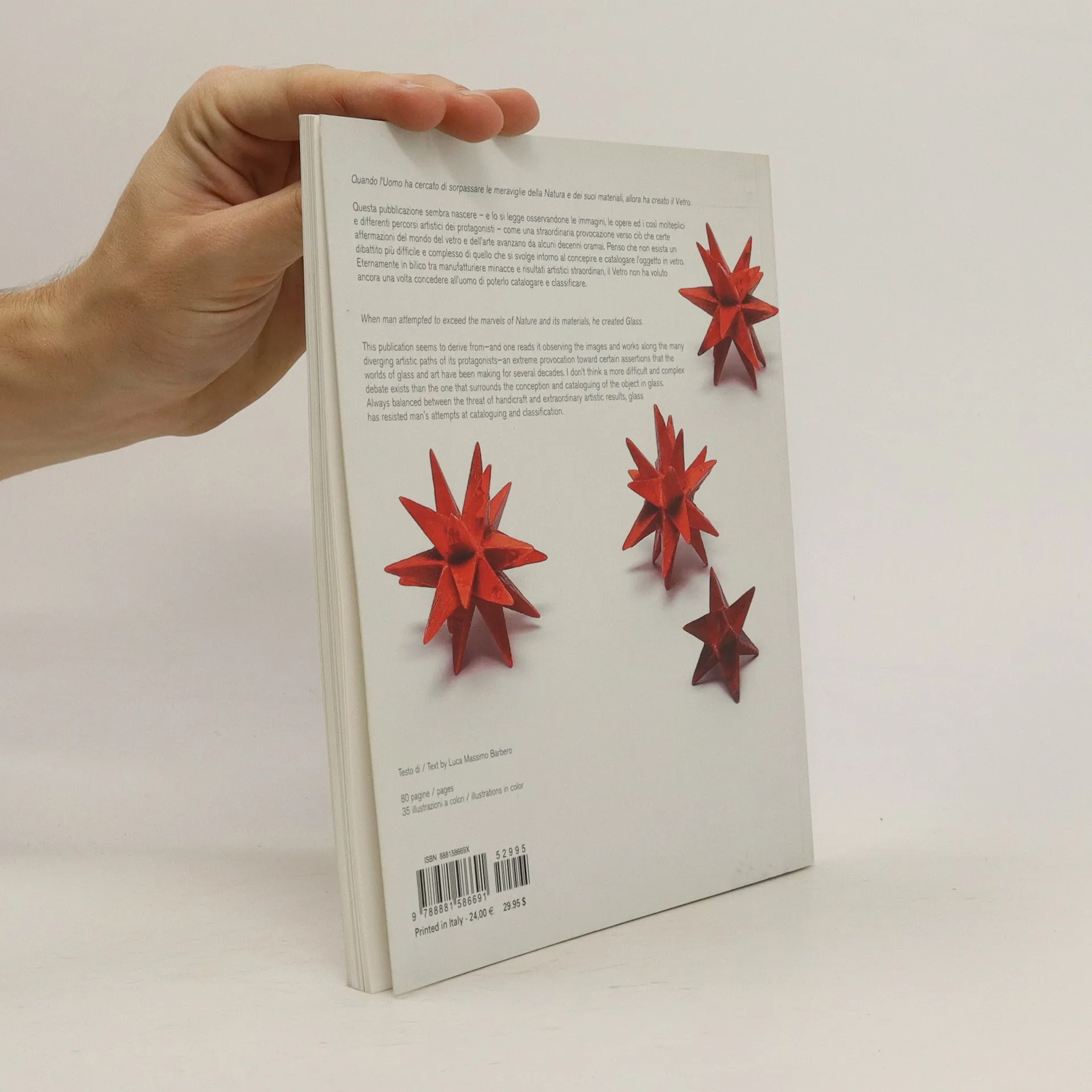
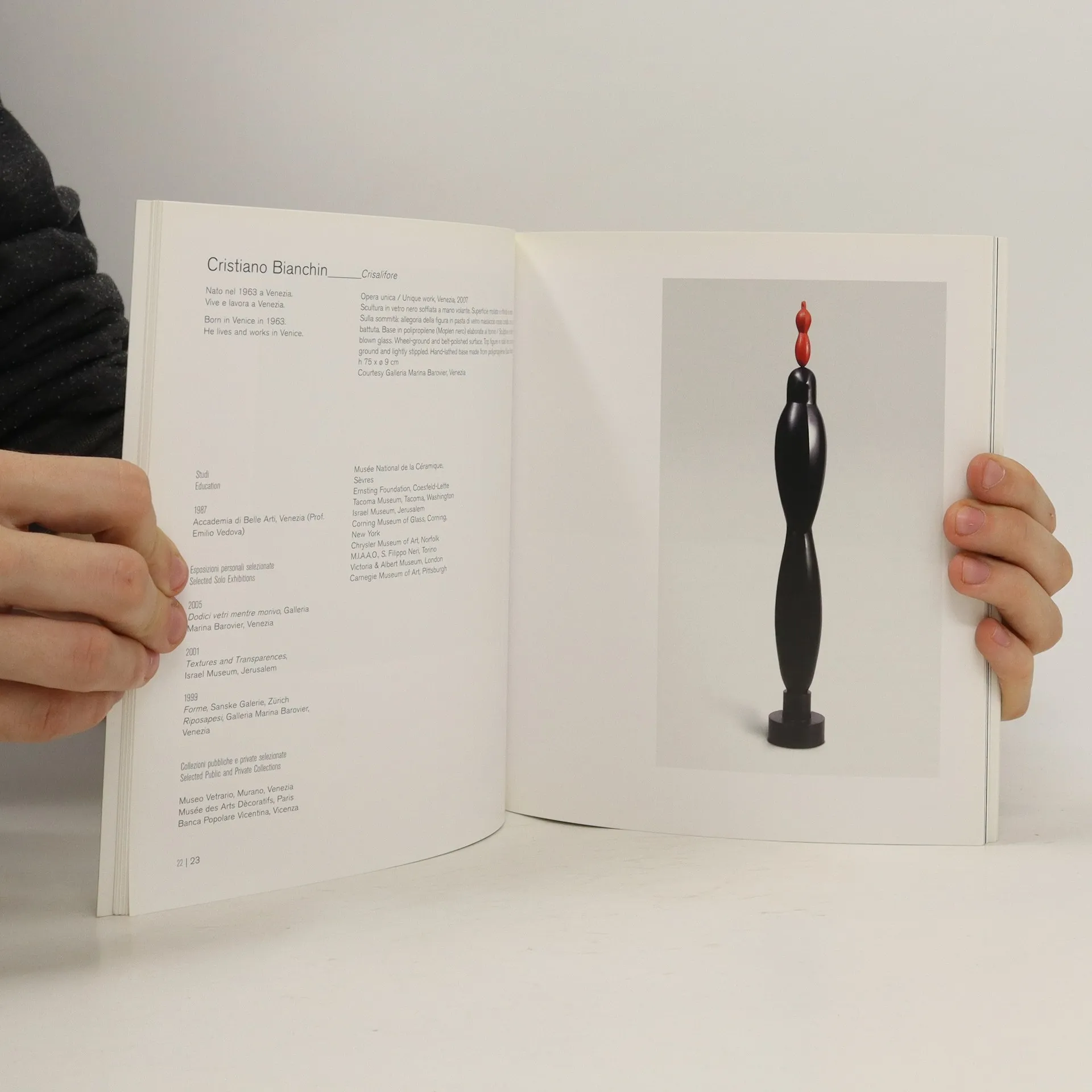
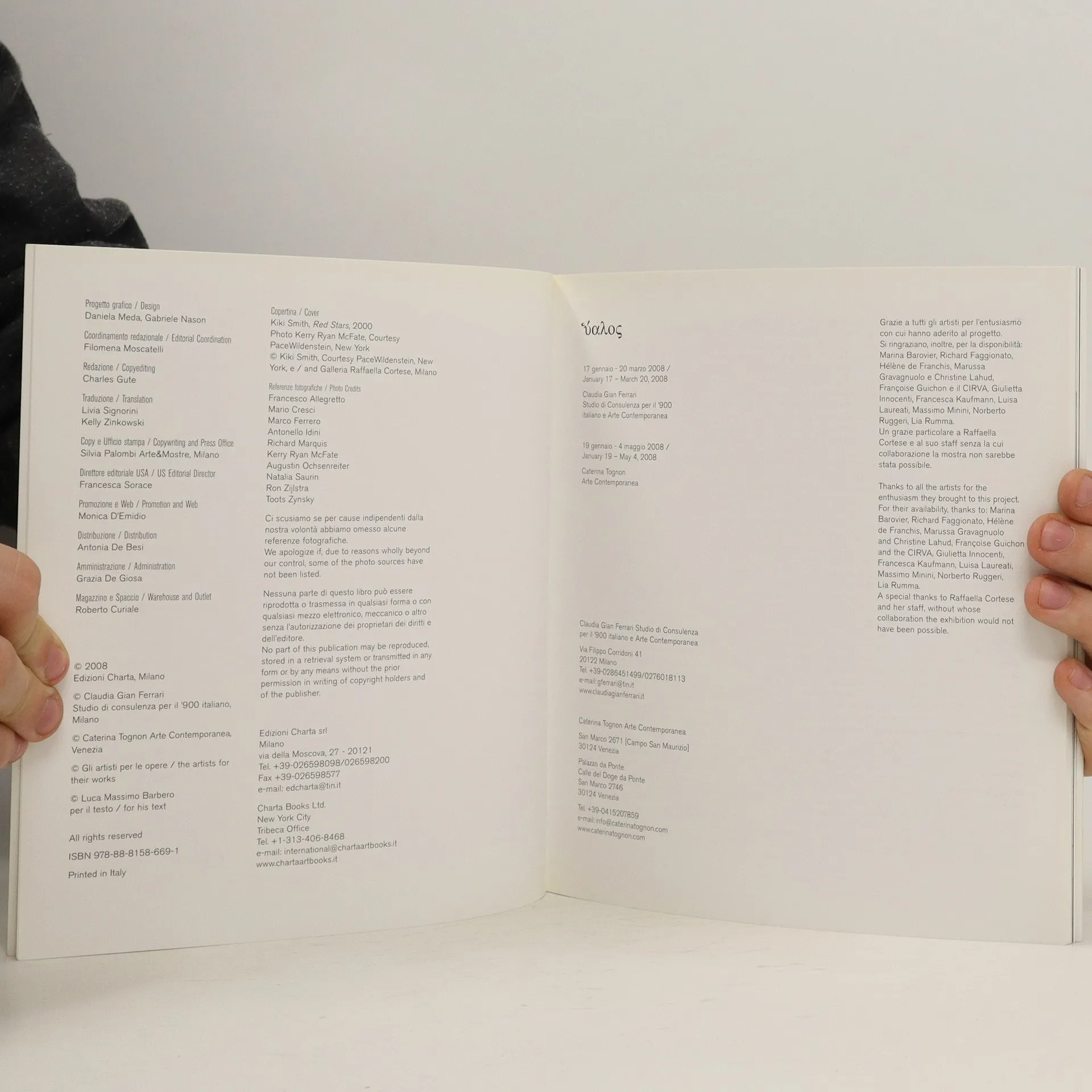
Glass is so malleable that it seemingly eludes the formal principles obeyed by most solid materials; it can be used to create a delicate windowpane or formed into a massive unbreakable block, translucent or opaque, jagged or smooth. The production of glass began more than 5,000 years ago, and its formal ambiguity has been exploited throughout the centuries by artisans and artists. This international survey includes glass works by leading contemporary artists including Kiki Smith, Tony Cragg, Flavio Favelli, Marco Gastini, Gilbert & George, Josiah McElheny, Marzia Migliora, Luigi Ontani, Marco Papa, Gaetano Pesce, Jaume Plensa, Roberta Silva and Jana Sterbak--several of whom have devoted their careers to exploring the material's extraordinary formal range. This volume includes a text by Luca Massimo Barbero, Associate Curator at the Peggy Guggenheim Collection in Venice.
Zakup książki
Yalós: Why Glass?, kolektiv
- Język


- Rok wydania
- 2008
- Oprawa
- (miękka)
Metody płatności
Nikt jeszcze nie ocenił.
- Tytuł
- Yalós: Why Glass?
- Język
- angielski, włoski
- Autorzy
- kolektiv
- Wydawca
- Charta Books
- Rok wydania
- 2008
- Oprawa
- miękka
- Liczba stron
- 79
- ISBN10
- 888158669X
- ISBN13
- 9788881586691
- Seria
- Kategorie
- Tagi
- Katalogi wystaw
- Opis
- Glass is so malleable that it seemingly eludes the formal principles obeyed by most solid materials; it can be used to create a delicate windowpane or formed into a massive unbreakable block, translucent or opaque, jagged or smooth. The production of glass began more than 5,000 years ago, and its formal ambiguity has been exploited throughout the centuries by artisans and artists. This international survey includes glass works by leading contemporary artists including Kiki Smith, Tony Cragg, Flavio Favelli, Marco Gastini, Gilbert & George, Josiah McElheny, Marzia Migliora, Luigi Ontani, Marco Papa, Gaetano Pesce, Jaume Plensa, Roberta Silva and Jana Sterbak--several of whom have devoted their careers to exploring the material's extraordinary formal range. This volume includes a text by Luca Massimo Barbero, Associate Curator at the Peggy Guggenheim Collection in Venice.