



Więcej o książce
Fra Angelico was Florentine painter and Dominican friar originally named Guido di Pietro. Vasari, who referred to Fra Giovanni as a simple and most holy man, popularized the use of the name Angelico for him, but he says it is the name by which he was always known, and it was certainly used as early as 1469. Angelico combined the influence of the elegantly decorative International Gothic style of Gentile da Fabriano with the more realistic style of Renaissance masters as Masaccio, Donatello and Ghiberti, all of whom worked in Florence. Angelico was also aware of the theories of perspective proposed by Leon Battista Alberti. Angelico's representation of devout facial expressions and his use of color to heighten emotion are particularly effective. His skill in creating monumental figures, representing motion, and suggesting deep space through the use of linear perspective, especially in the Roman frescoes, mark him as one of the foremost painters of the Renaissance.
Zakup książki
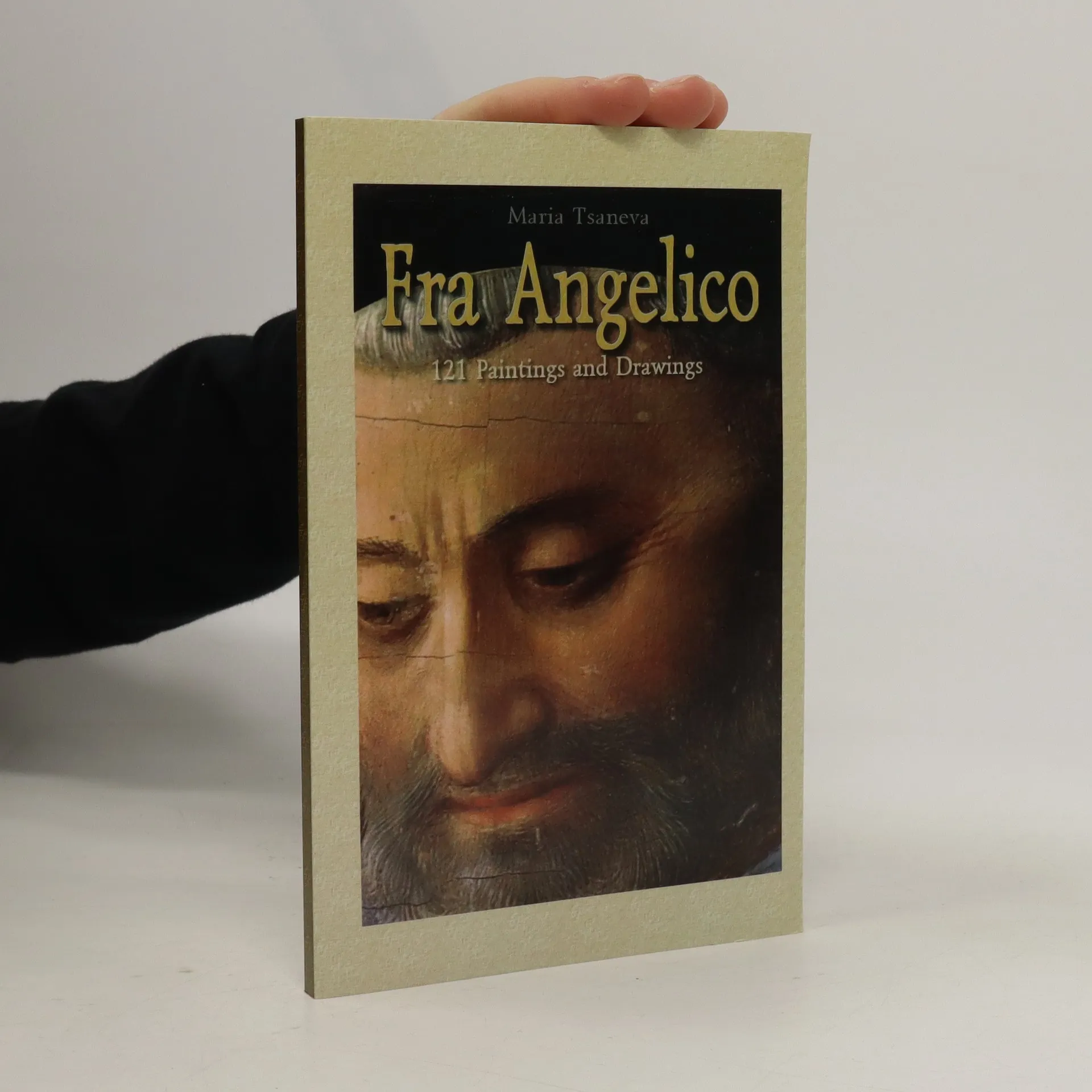
Fra Angelico: 121 Paintings and Drawings, Maria Tsaneva
- Język

- Rok wydania
- 2015
- Oprawa
- (miękka)
Metody płatności
Nikt jeszcze nie ocenił.
- Tytuł
- Fra Angelico: 121 Paintings and Drawings
- Język
- angielski
- Autorzy
- Maria Tsaneva
- Rok wydania
- 2015
- Oprawa
- miękka
- Liczba stron
- 122
- ISBN10
- 1506009115
- ISBN13
- 9781506009117
- Seria
- Tagi
- Sztuki piękne
- Opis
- Fra Angelico was Florentine painter and Dominican friar originally named Guido di Pietro. Vasari, who referred to Fra Giovanni as a simple and most holy man, popularized the use of the name Angelico for him, but he says it is the name by which he was always known, and it was certainly used as early as 1469. Angelico combined the influence of the elegantly decorative International Gothic style of Gentile da Fabriano with the more realistic style of Renaissance masters as Masaccio, Donatello and Ghiberti, all of whom worked in Florence. Angelico was also aware of the theories of perspective proposed by Leon Battista Alberti. Angelico's representation of devout facial expressions and his use of color to heighten emotion are particularly effective. His skill in creating monumental figures, representing motion, and suggesting deep space through the use of linear perspective, especially in the Roman frescoes, mark him as one of the foremost painters of the Renaissance.