




Parametry
Więcej o książce
Comic strips, from Gary Larson's The Far Side to George Herriman's Krazy Kat, are defined by their unique blend of visual narratives and word balloons representing characters' speech and thoughts. While art historians have explored various visual artifacts and cultural historians have focused on films, the comic strip remains underexamined in aesthetic discourse. This work presents the first comprehensive philosophical exploration of comic strips. Philosopher David Carrier analyzes popular American and Japanese comics to address aesthetic challenges and their connections to other visual art forms. He traces the origins of speech and thought balloons back to early Renaissance art, asserting that these elements distinguish comics as a novel art form that merges verbal and visual components. Carrier examines audience interpretation of comics, highlighting how their meanings are often immediately accessible compared to the more complex interpretations required for traditional art. By situating comics within art history, Carrier argues for their significance in philosophical study, suggesting that a deeper understanding of comics can enhance our comprehension of art's evolution. Ultimately, this analysis reveals the artistic merit of comics and their role in the broader narrative of visual culture.
Zakup książki
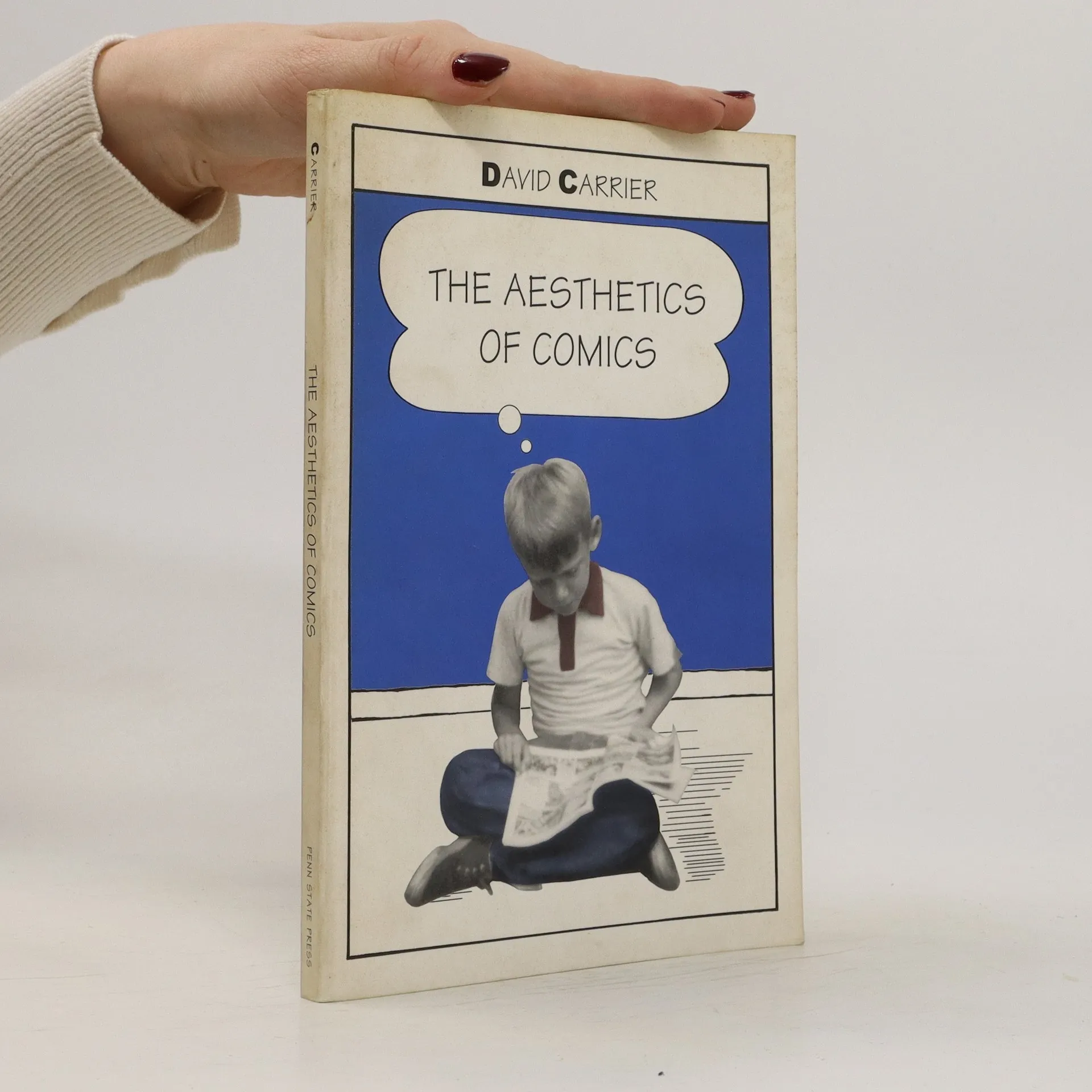
The Aesthetics of Comics, David Carrier
- Język

- Rok wydania
- 2000
- Oprawa
- (miękka)
Metody płatności
Brakuje nam tutaj Twojej recenzji.
- Tytuł
- The Aesthetics of Comics
- Język
- angielski
- Autorzy
- David Carrier
- Wydawca
- Penn State University Press
- Rok wydania
- 2000
- Oprawa
- miękka
- ISBN10
- 0271021888
- ISBN13
- 9780271021881
- Seria
- Kategorie
- Tagi
- Ocena
- 3,5 z 5
- Opis
- Comic strips, from Gary Larson's The Far Side to George Herriman's Krazy Kat, are defined by their unique blend of visual narratives and word balloons representing characters' speech and thoughts. While art historians have explored various visual artifacts and cultural historians have focused on films, the comic strip remains underexamined in aesthetic discourse. This work presents the first comprehensive philosophical exploration of comic strips. Philosopher David Carrier analyzes popular American and Japanese comics to address aesthetic challenges and their connections to other visual art forms. He traces the origins of speech and thought balloons back to early Renaissance art, asserting that these elements distinguish comics as a novel art form that merges verbal and visual components. Carrier examines audience interpretation of comics, highlighting how their meanings are often immediately accessible compared to the more complex interpretations required for traditional art. By situating comics within art history, Carrier argues for their significance in philosophical study, suggesting that a deeper understanding of comics can enhance our comprehension of art's evolution. Ultimately, this analysis reveals the artistic merit of comics and their role in the broader narrative of visual culture.