



Parametry
Więcej o książce
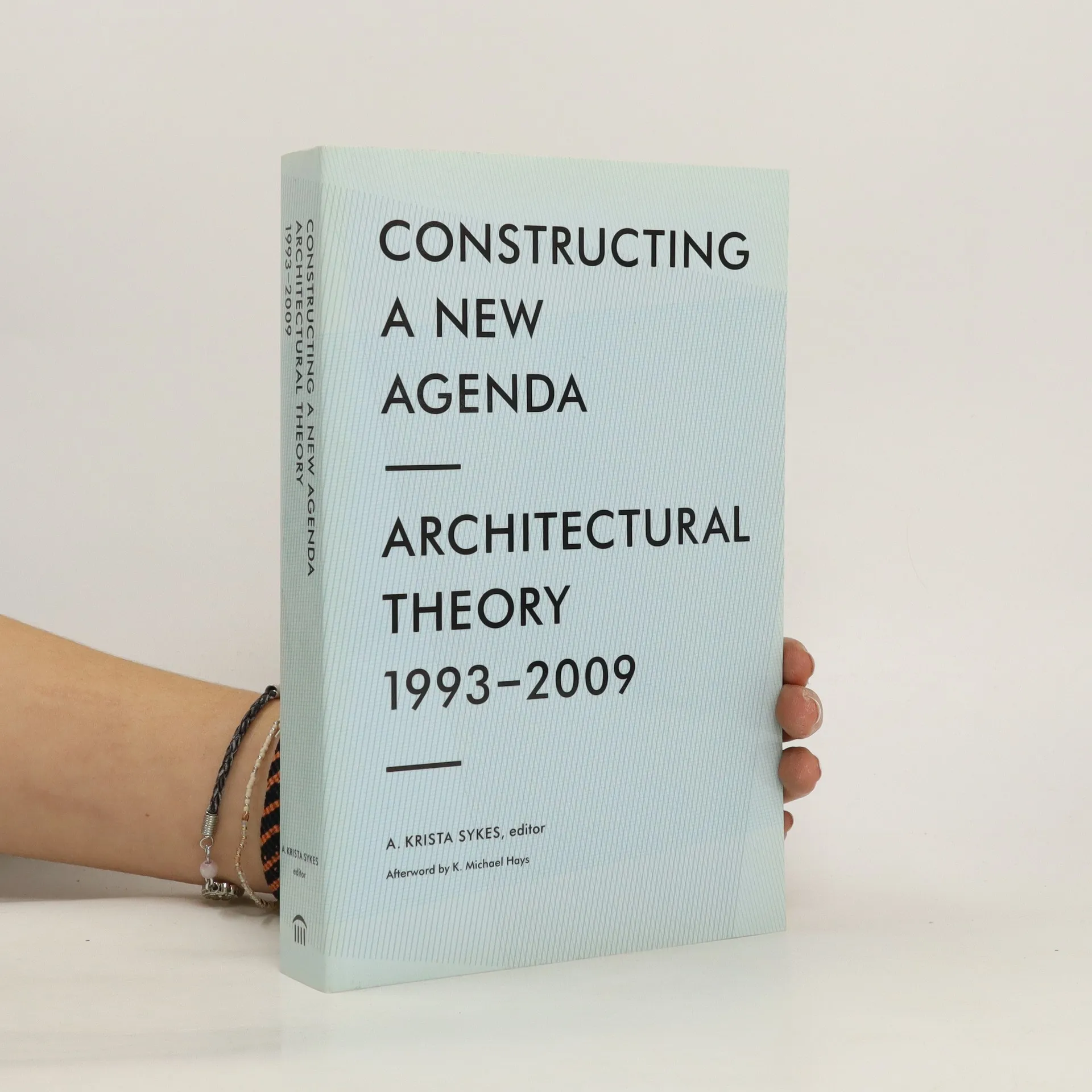
"This follow-up to Kate Nesbitt's best-selling anthology Theorizing a New Agenda collects twenty-eight essays that address architecture theory from the mid-1990s, where Nesbitt left off, through the present. Kristin Sykes offers an overview of the myriad approaches and attitudes adopted by architects and architectural theorists during this era. Multiple themes including the impact of digital technologies on processes of architectural design, production, materiality, and representation; the implications of globalization and networks of information; the growing emphasis on sustainable and green architecture; and the phenomenon of the 'starchitect and iconic architecture appear against a background colored by architectural theory, as it existed from the 1960s on, in a period of transition (if not crisis) that centers around the perceived abyss between theory and practice. Theory's transitional state persists today, rendering its immediate history particularly relevant to contemporary thought and practice.
Zakup książki
Constructing a New Agenda. Architectural theory 1993-2009, A. Krista Sykes
- Język

- Rok wydania
- 2013
- Oprawa
- (miękka)
Metody płatności
Brakuje nam tutaj Twojej recenzji.
- Tytuł
- Constructing a New Agenda. Architectural theory 1993-2009
- Język
- angielski
- Autorzy
- A. Krista Sykes
- Rok wydania
- 2013
- Oprawa
- miękka
- ISBN10
- 1568988591
- ISBN13
- 9781568988597
- Seria
- Kategorie
- Ocena
- 4,3 z 5
- Opis
- "This follow-up to Kate Nesbitt's best-selling anthology Theorizing a New Agenda collects twenty-eight essays that address architecture theory from the mid-1990s, where Nesbitt left off, through the present. Kristin Sykes offers an overview of the myriad approaches and attitudes adopted by architects and architectural theorists during this era. Multiple themes including the impact of digital technologies on processes of architectural design, production, materiality, and representation; the implications of globalization and networks of information; the growing emphasis on sustainable and green architecture; and the phenomenon of the 'starchitect and iconic architecture appear against a background colored by architectural theory, as it existed from the 1960s on, in a period of transition (if not crisis) that centers around the perceived abyss between theory and practice. Theory's transitional state persists today, rendering its immediate history particularly relevant to contemporary thought and practice.