



Więcej o książce
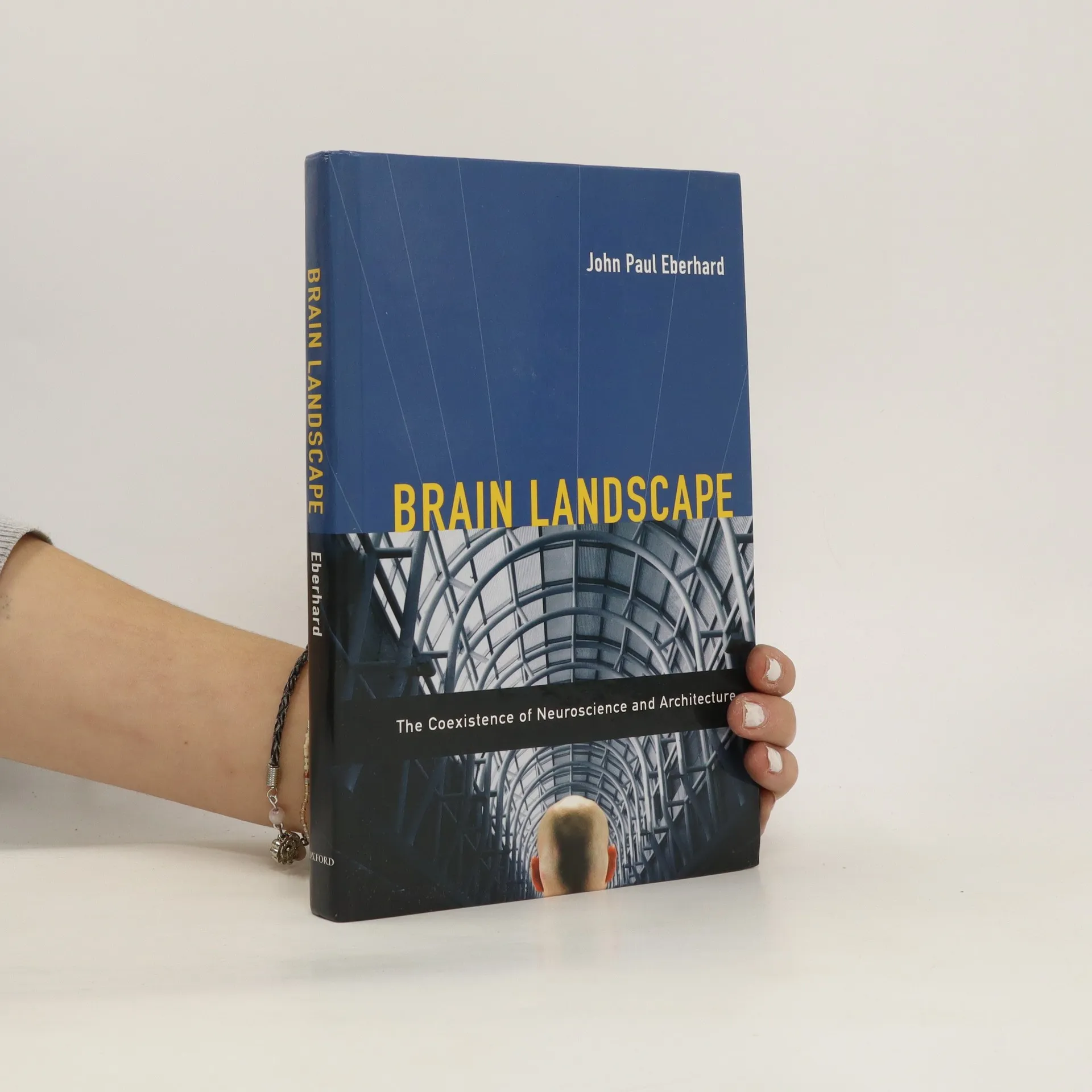
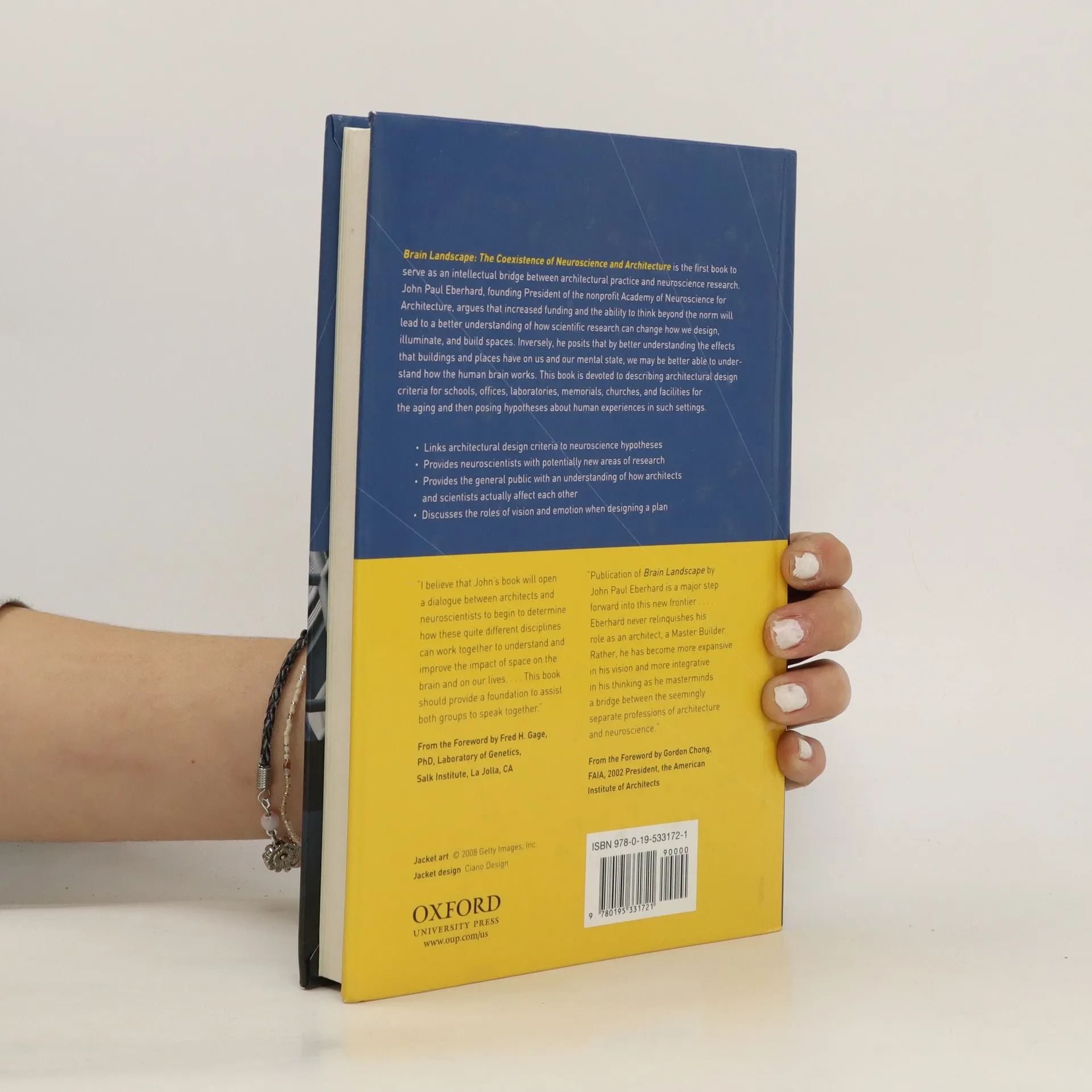
Brain The Coexistence of Neuroscience and Architecture is the first book to serve as an intellectual bridge between architectural practice and neuroscience research. John P. Eberhard, founding President of the non-profit Academy of Neuroscience for Architecture, argues that increased funding, and the ability to think beyond the norm, will lead to a better understanding of how scientific research can change how we design, illuminate, and build spaces. Inversely, he posits that by better understanding the effects that buildings and places have on us, and our mental state, the better we may be able to understand how the human brain works. This book is devoted to describing architectural design criteria for schools, offices, laboratories, memorials, churches, and facilities for the aging, and then posing hypotheses about human experiences in such settings.
Zakup książki
Brain Landscape, John P Eberhard
- Język

- Rok wydania
- 2009
- Oprawa
- (twarda)
Metody płatności
Brakuje nam tutaj Twojej recenzji.
- Tytuł
- Brain Landscape
- Język
- angielski
- Autorzy
- John P Eberhard
- Wydawca
- Oxford University Press
- Rok wydania
- 2009
- Oprawa
- twarda
- Liczba stron
- 259
- ISBN10
- 0195331729
- ISBN13
- 9780195331721
- Seria
- Tagi
- Architektura
- Ocena
- 3,45 z 5
- Opis
- Brain The Coexistence of Neuroscience and Architecture is the first book to serve as an intellectual bridge between architectural practice and neuroscience research. John P. Eberhard, founding President of the non-profit Academy of Neuroscience for Architecture, argues that increased funding, and the ability to think beyond the norm, will lead to a better understanding of how scientific research can change how we design, illuminate, and build spaces. Inversely, he posits that by better understanding the effects that buildings and places have on us, and our mental state, the better we may be able to understand how the human brain works. This book is devoted to describing architectural design criteria for schools, offices, laboratories, memorials, churches, and facilities for the aging, and then posing hypotheses about human experiences in such settings.