

Więcej o książce
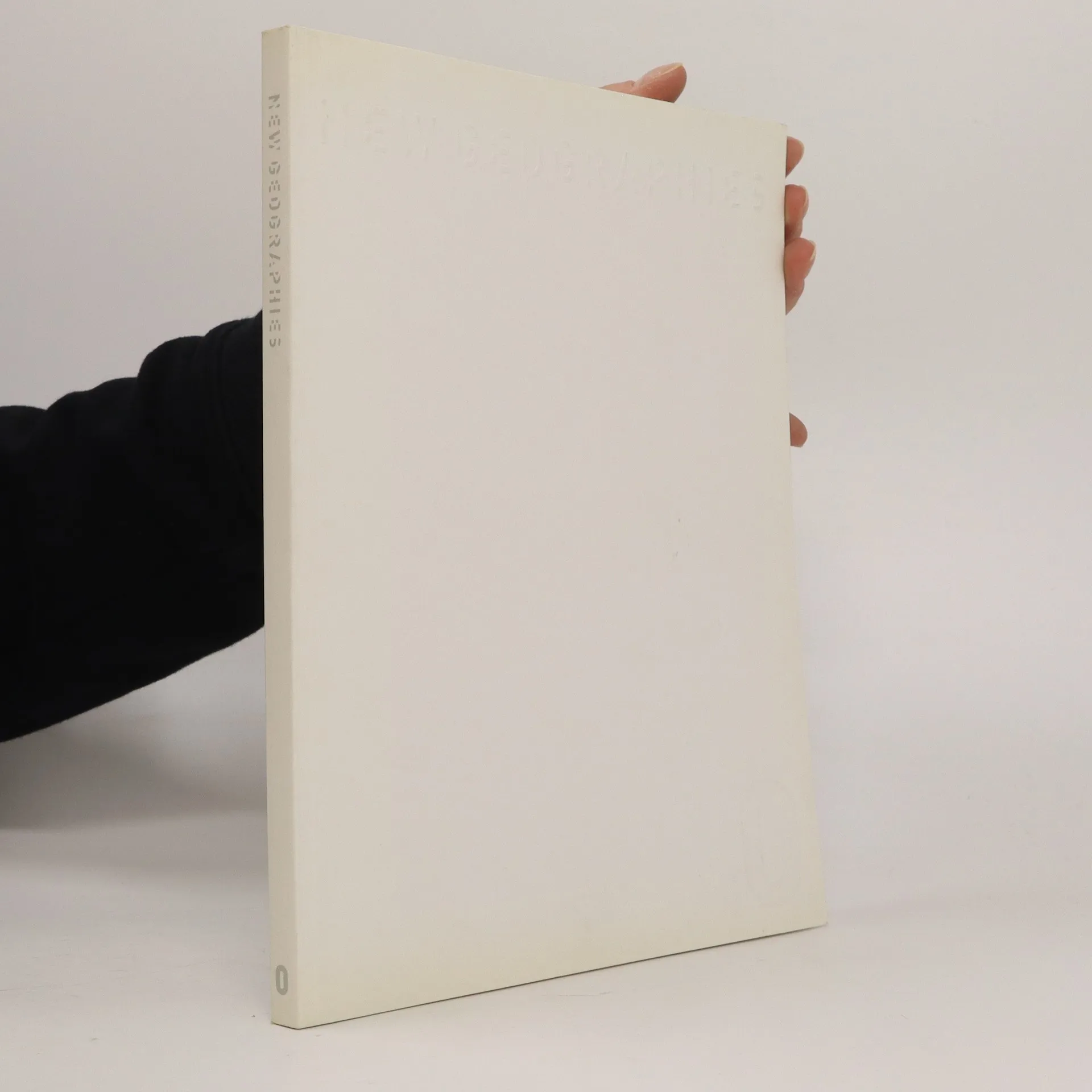
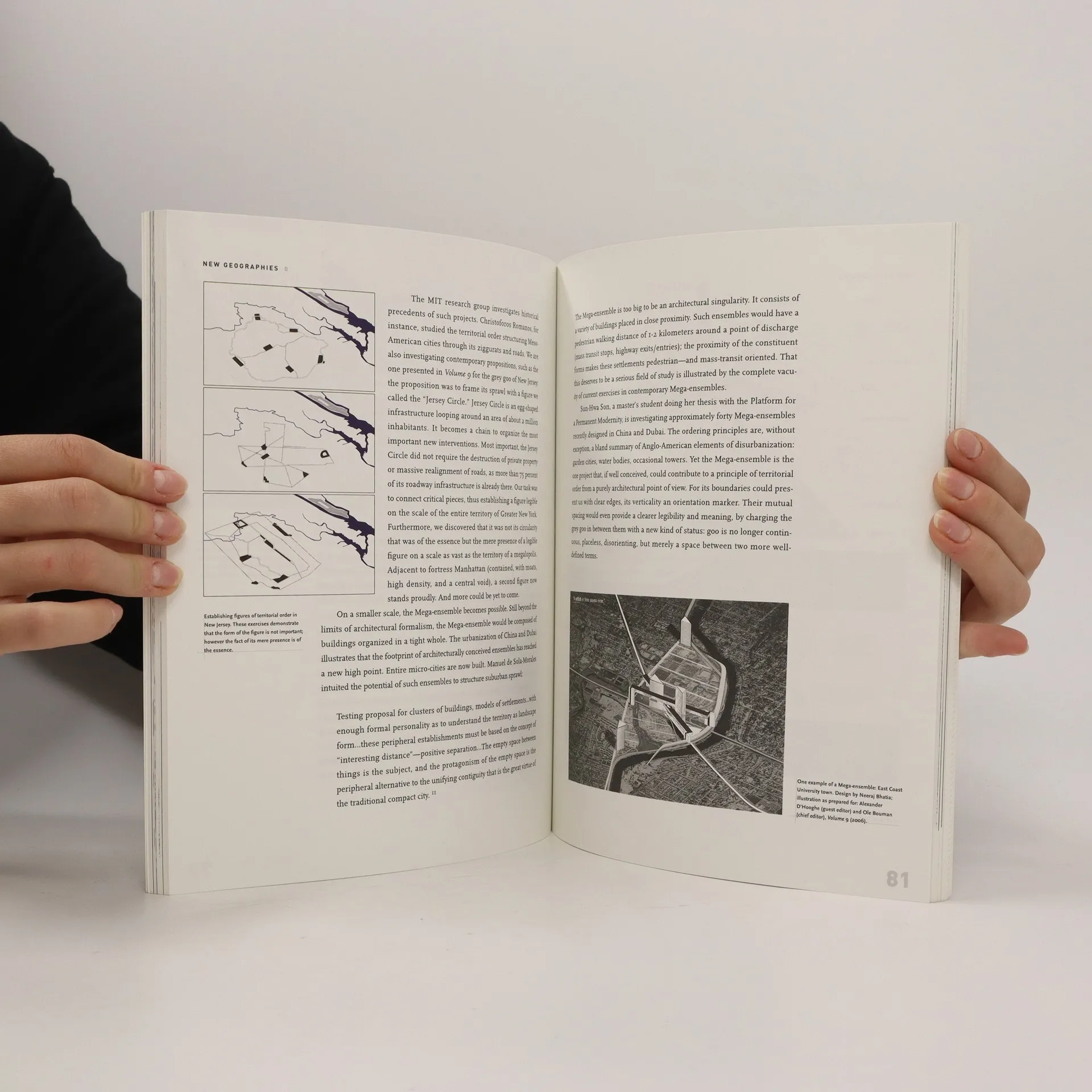
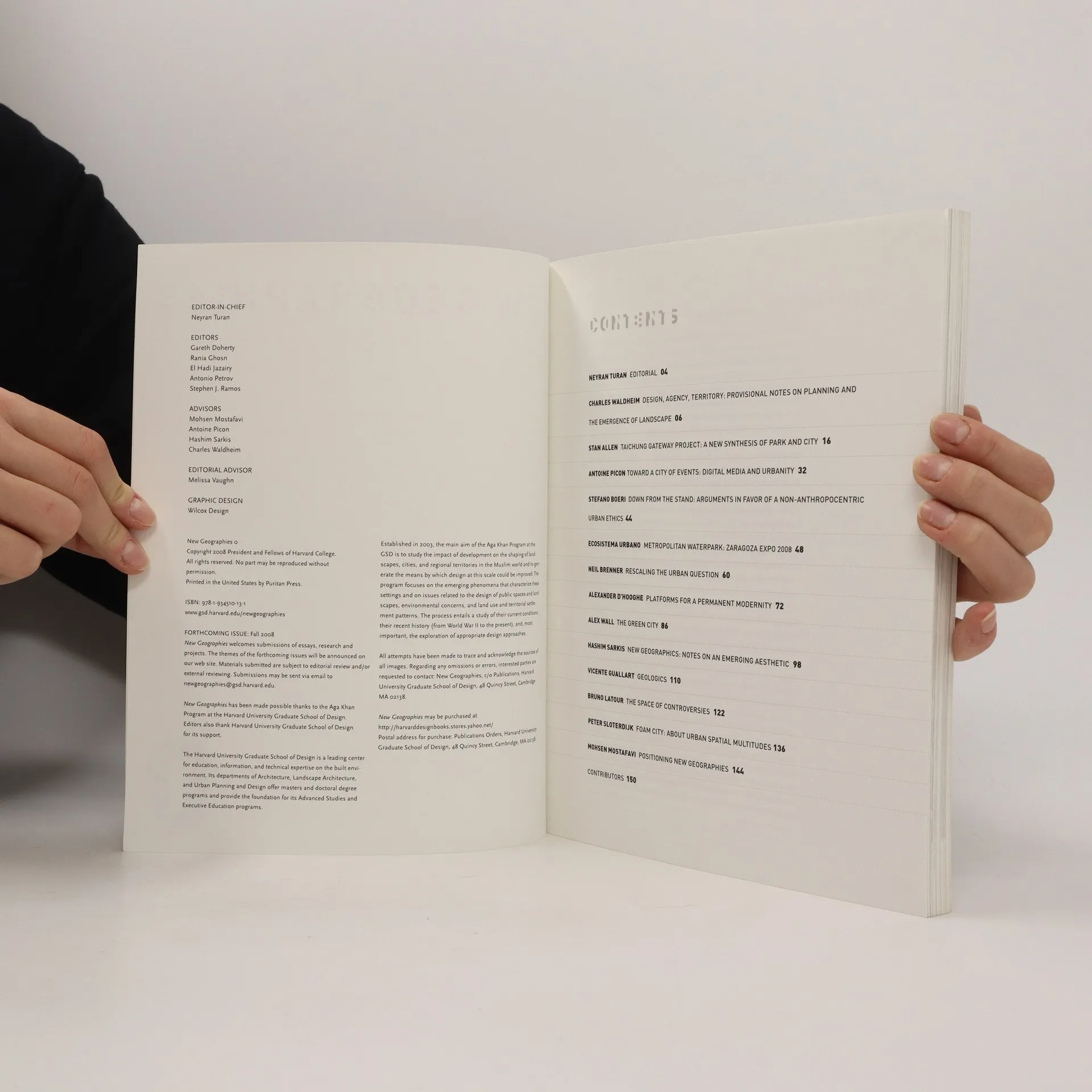
New Geographies journal aims to examine the emergence of the “geographic,” a new but for the most part latent paradigm in design today—to articulate it and to bring it to bear effectively on the social role of design. Although much of the analysis of this context in architecture, landscape, and urbanism derives from social anthropology, human geography, and economics, the journal aims to extend these arguments to the impact of global changes on the spatial dimension, whether in terms of the emergence of global spatial networks, global cities, or nomadic practices, and how these inform design practices today. Through essays and design projects, the journal aims to identify the relationship between the very small and the very large, and intends to open up discussions on the expanded role of the designer, with an emphasis on disciplinary reframings, repositionings, and attitudes.
Zakup książki
New Geographies, Stephen Ramos, Neyran Turan
- Język

- Rok wydania
- 2008
- Oprawa
- (miękka)
Metody płatności
Brakuje nam tutaj Twojej recenzji.
- Tytuł
- New Geographies
- Język
- angielski
- Autorzy
- Stephen Ramos, Neyran Turan
- Wydawca
- Harvard University Press
- Rok wydania
- 2008
- Oprawa
- miękka
- Liczba stron
- 152
- ISBN10
- 1934510130
- ISBN13
- 9781934510131
- Seria
- Tagi
- Ocena
- 4 z 5
- Opis
- New Geographies journal aims to examine the emergence of the “geographic,” a new but for the most part latent paradigm in design today—to articulate it and to bring it to bear effectively on the social role of design. Although much of the analysis of this context in architecture, landscape, and urbanism derives from social anthropology, human geography, and economics, the journal aims to extend these arguments to the impact of global changes on the spatial dimension, whether in terms of the emergence of global spatial networks, global cities, or nomadic practices, and how these inform design practices today. Through essays and design projects, the journal aims to identify the relationship between the very small and the very large, and intends to open up discussions on the expanded role of the designer, with an emphasis on disciplinary reframings, repositionings, and attitudes.