

Więcej o książce
Few topics in the Western intellectual tradition have been scrutinized as much as race. In the eighteenth century, the belief in biologically exclusive and permanently unequal human groups led to the perception that behavioral, moral, spiritual, and intellectual traits were innate and unchangeable. By the nineteenth century, differences among whites, Indians, and Africans were exaggerated, depicting these groups as separate species and justifying racial slavery and the dehumanization of freed blacks. The late nineteenth-century application of this racial worldview to Europeans, coupled with the inhumanity of Nazi ideology, prompted a reevaluation of the concept of race. Advances in science and liberal ideology fueled criticism of "race," leading to efforts to remove the term from scientific discourse. In a comprehensive examination of three centuries of North American history, Audrey Smedley presents race as a cultural construct, shaped opportunistically over time, despite the lack of consensus on its scientific meaning. She argues that race emerged as a folk worldview, created from elements of English cultural history and the subjugation of distinct populations. The divide between scientific and popular understandings of race, which surfaced in the mid-twentieth century, persists today. While progressive scientists have largely rejected the biological concept of race, the question remains: will society follow suit?
Zakup książki
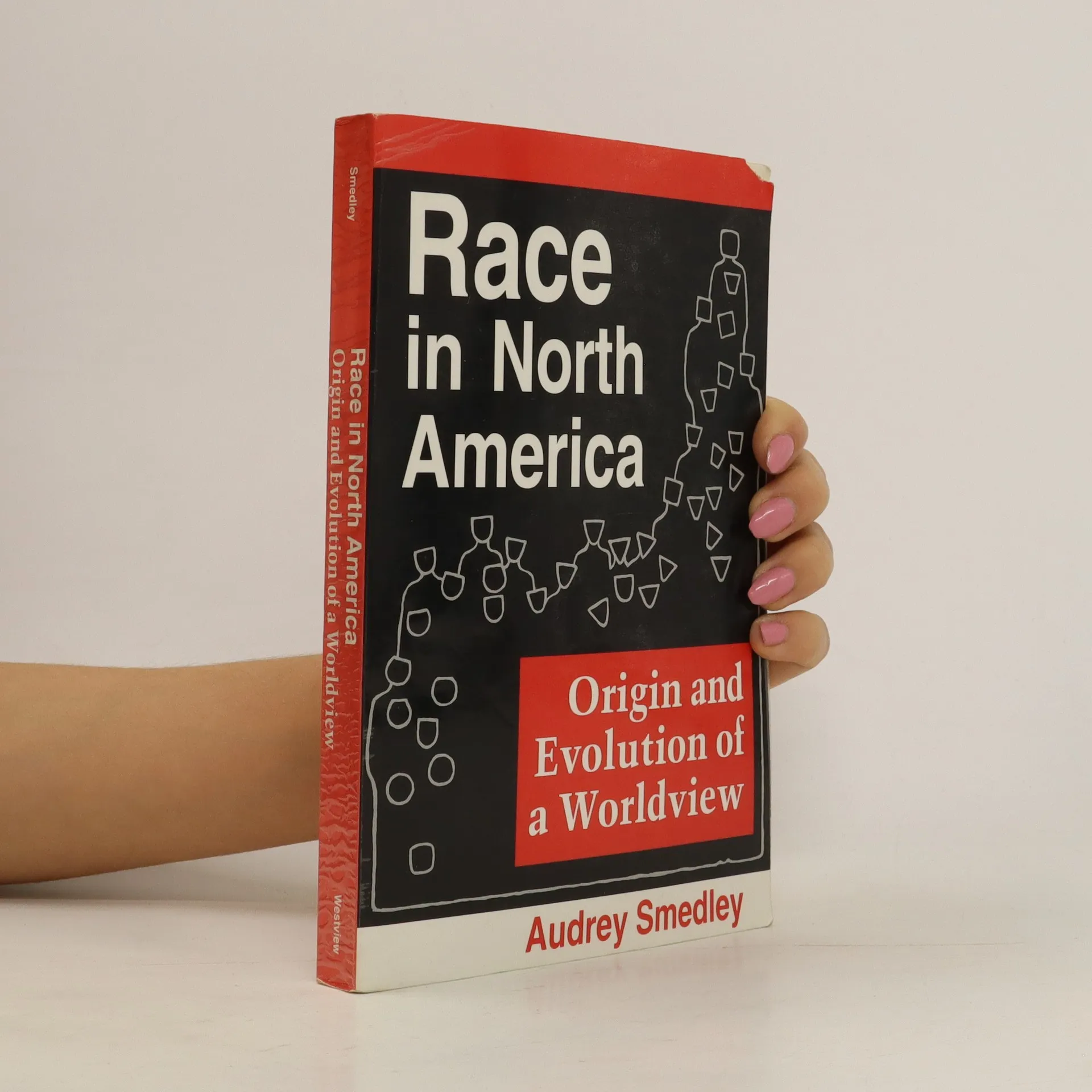
Race in North America : origin and evolution of a worldview, Audrey Smedley
- Język

- Rok wydania
- 1993
- Oprawa
- (miękka)
Metody płatności
Nikt jeszcze nie ocenił.
- Tytuł
- Race in North America : origin and evolution of a worldview
- Język
- angielski
- Autorzy
- Audrey Smedley
- Wydawca
- Westview Press
- Rok wydania
- 1993
- Oprawa
- miękka
- ISBN10
- 0813306221
- ISBN13
- 9780813306223
- Seria
- Kategorie
- Opis
- Few topics in the Western intellectual tradition have been scrutinized as much as race. In the eighteenth century, the belief in biologically exclusive and permanently unequal human groups led to the perception that behavioral, moral, spiritual, and intellectual traits were innate and unchangeable. By the nineteenth century, differences among whites, Indians, and Africans were exaggerated, depicting these groups as separate species and justifying racial slavery and the dehumanization of freed blacks. The late nineteenth-century application of this racial worldview to Europeans, coupled with the inhumanity of Nazi ideology, prompted a reevaluation of the concept of race. Advances in science and liberal ideology fueled criticism of "race," leading to efforts to remove the term from scientific discourse. In a comprehensive examination of three centuries of North American history, Audrey Smedley presents race as a cultural construct, shaped opportunistically over time, despite the lack of consensus on its scientific meaning. She argues that race emerged as a folk worldview, created from elements of English cultural history and the subjugation of distinct populations. The divide between scientific and popular understandings of race, which surfaced in the mid-twentieth century, persists today. While progressive scientists have largely rejected the biological concept of race, the question remains: will society follow suit?