



Więcej o książce
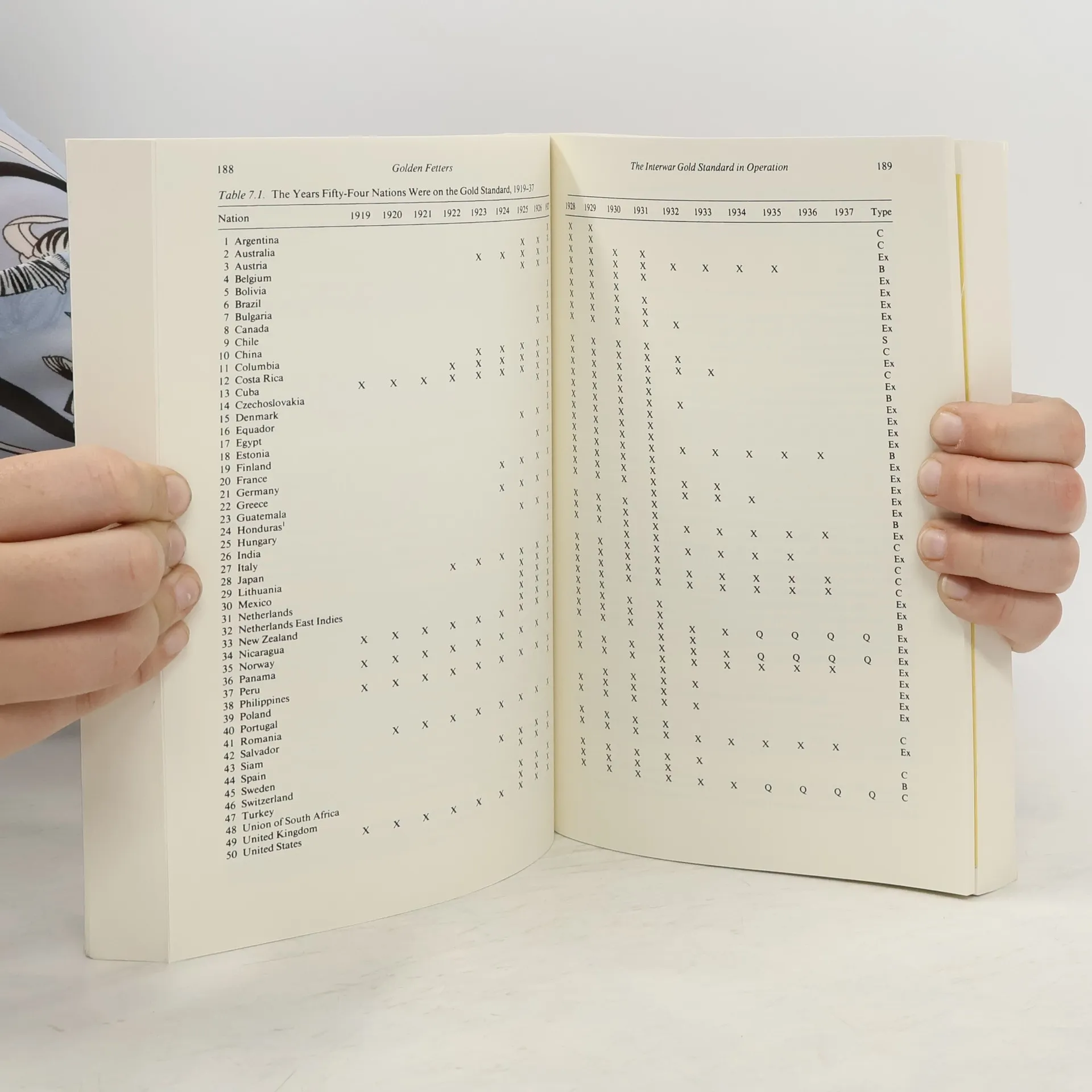
This book offers a reassessment of the international monetary problems that led to the global economic crisis of the 1930s. It explores the connections between the gold standard--the framework regulating international monetary affairs until 1931--and the Great Depression that broke out in 1929. Eichengreen shows how economic policies, in conjunction with the imbalances created by World War I, gave rise to the global crisis of the 1930s. He demonstrates that the gold standard fundamentally constrained the economic policies that were pursued and that it was largely responsible for creating the unstable economic environment on which those policies acted. The book also provides a valuable perspective on the economic policies of the post-World War II period and their consequences.
Zakup książki
Golden Fetters : the Gold Standard and the Great Depression 1919-1939, Barry Eichengreen
- Język

- Rok wydania
- 1992
- Oprawa
- (miękka)
Metody płatności
Brakuje nam tutaj Twojej recenzji.
- Tytuł
- Golden Fetters : the Gold Standard and the Great Depression 1919-1939
- Język
- angielski
- Autorzy
- Barry Eichengreen
- Wydawca
- Oxford University Press
- Rok wydania
- 1992
- Oprawa
- miękka
- Liczba stron
- 480
- ISBN10
- 0195101138
- ISBN13
- 9780195101133
- Kategorie
- Tagi
- Tematy historyczne, Biznes, Finanse, Pieniądze
- Ocena
- 4,15 z 5
- Opis
- This book offers a reassessment of the international monetary problems that led to the global economic crisis of the 1930s. It explores the connections between the gold standard--the framework regulating international monetary affairs until 1931--and the Great Depression that broke out in 1929. Eichengreen shows how economic policies, in conjunction with the imbalances created by World War I, gave rise to the global crisis of the 1930s. He demonstrates that the gold standard fundamentally constrained the economic policies that were pursued and that it was largely responsible for creating the unstable economic environment on which those policies acted. The book also provides a valuable perspective on the economic policies of the post-World War II period and their consequences.