




Więcej o książce
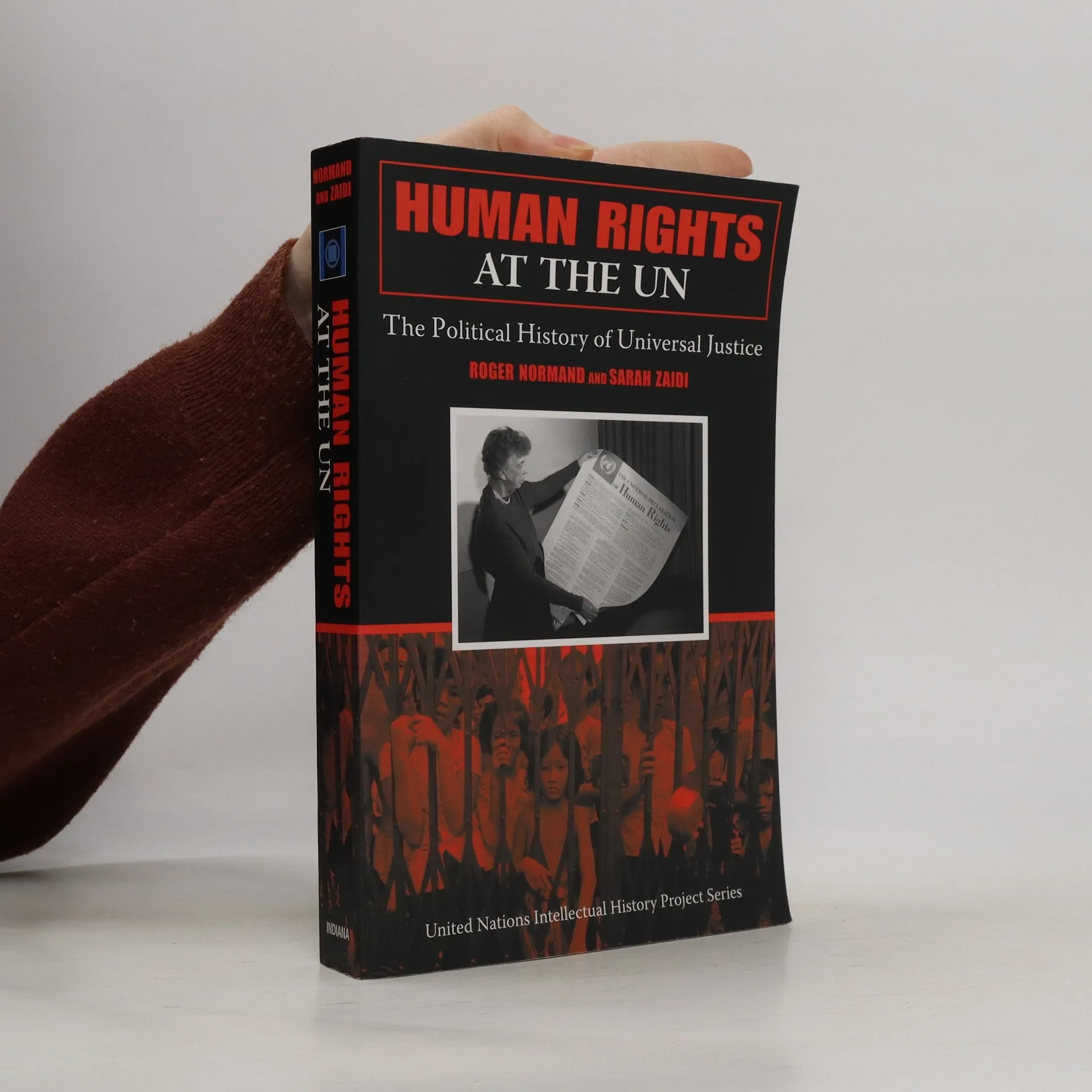
Human rights activists Roger Normand and Sarah Zaidi provide a broad political history of the emergence and development of the human rights movement in the 20th century through the crucible of the United Nations, focusing on the hopes and expectations, concrete power struggles, national rivalries, and bureaucratic politics that molded the international system of human rights law. The book emphasizes the period before and after the creation of the UN, when human rights ideas and proposals were shaped and transformed by the hard-edged realities of power politics and bureaucratic imperatives. It also analyzes the expansion of the human rights framework in response to demands for equitable development after decolonization and organized efforts by women, minorities, and other disadvantaged groups to secure international recognition of their rights.
Zakup książki
Human Rights at the UN, Roger Normand, Sarah Zaidi
- Język

- Rok wydania
- 2013
- Oprawa
- (miękka)
Metody płatności
Brakuje nam tutaj Twojej recenzji.
- Tytuł
- Human Rights at the UN
- Język
- angielski
- Autorzy
- Roger Normand, Sarah Zaidi
- Wydawca
- Indiana University Press
- Rok wydania
- 2013
- Oprawa
- miękka
- Liczba stron
- 486
- ISBN10
- 0253219345
- ISBN13
- 9780253219343
- Seria
- Tagi
- Tematy prawne, Polityka
- Ocena
- 3,8 z 5
- Opis
- Human rights activists Roger Normand and Sarah Zaidi provide a broad political history of the emergence and development of the human rights movement in the 20th century through the crucible of the United Nations, focusing on the hopes and expectations, concrete power struggles, national rivalries, and bureaucratic politics that molded the international system of human rights law. The book emphasizes the period before and after the creation of the UN, when human rights ideas and proposals were shaped and transformed by the hard-edged realities of power politics and bureaucratic imperatives. It also analyzes the expansion of the human rights framework in response to demands for equitable development after decolonization and organized efforts by women, minorities, and other disadvantaged groups to secure international recognition of their rights.