

Więcej o książce
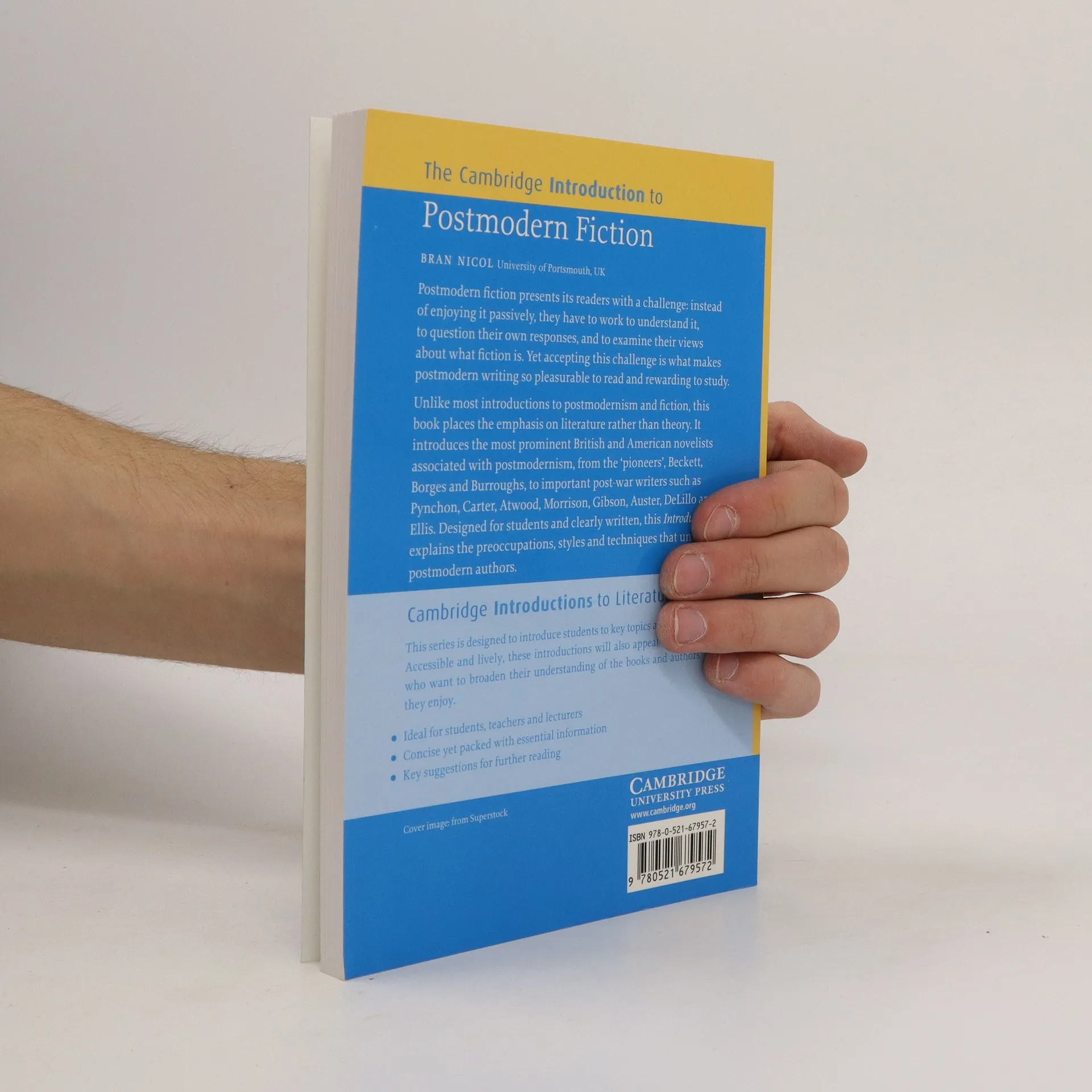
Postmodern fiction presents a challenge to the reader: instead of enjoying it passively, the reader has to work to understand its meanings, to think about what fiction is, and to question their own responses. Yet this very challenge makes postmodern writing so much fun to read and rewarding to study. Unlike most introductions to postmodernism and fiction, this book places the emphasis on literature rather than theory. It introduces the most prominent British and American novelists associated with postmodernism, from the 'pioneers', Beckett, Borges and Burroughs, to important post-war writers such as Pynchon, Carter, Atwood, Morrison, Gibson, Auster, DeLillo, and Ellis. Designed for students and clearly written, this Introduction explains the preoccupations, styles and techniques that unite postmodern authors. Their work is characterized by a self-reflexive acknowledgement of its status as fiction, and by the various ways in which it challenges readers to question common-sense and commonplace assumptions about literature.
Zakup książki
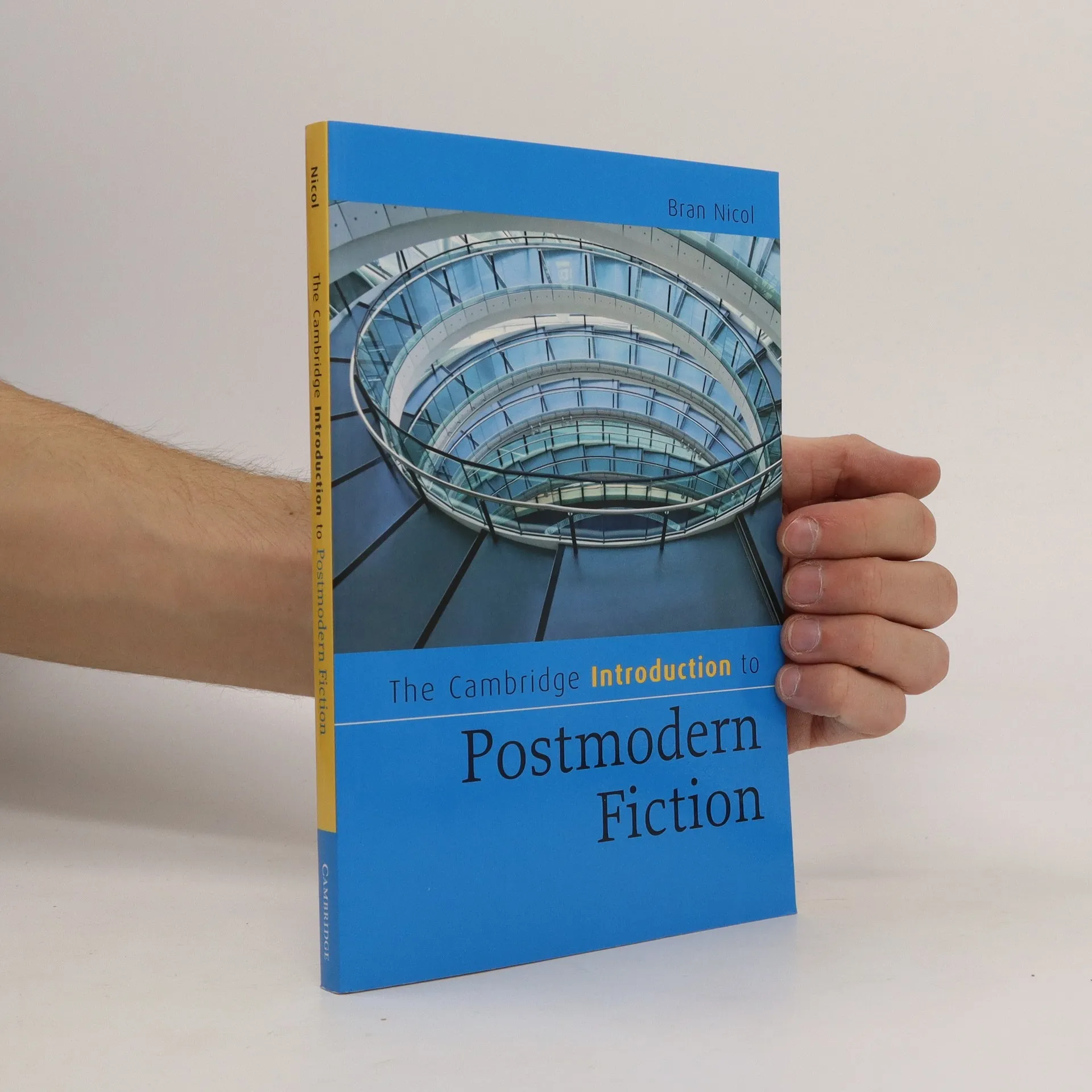
The Cambridge Introduction to Postmodern Fiction, Bran Nicol
- Język

- Rok wydania
- 2009
- Oprawa
- (miękka)
Metody płatności
Brakuje nam tutaj Twojej recenzji.
- Tytuł
- The Cambridge Introduction to Postmodern Fiction
- Język
- angielski
- Autorzy
- Bran Nicol
- Wydawca
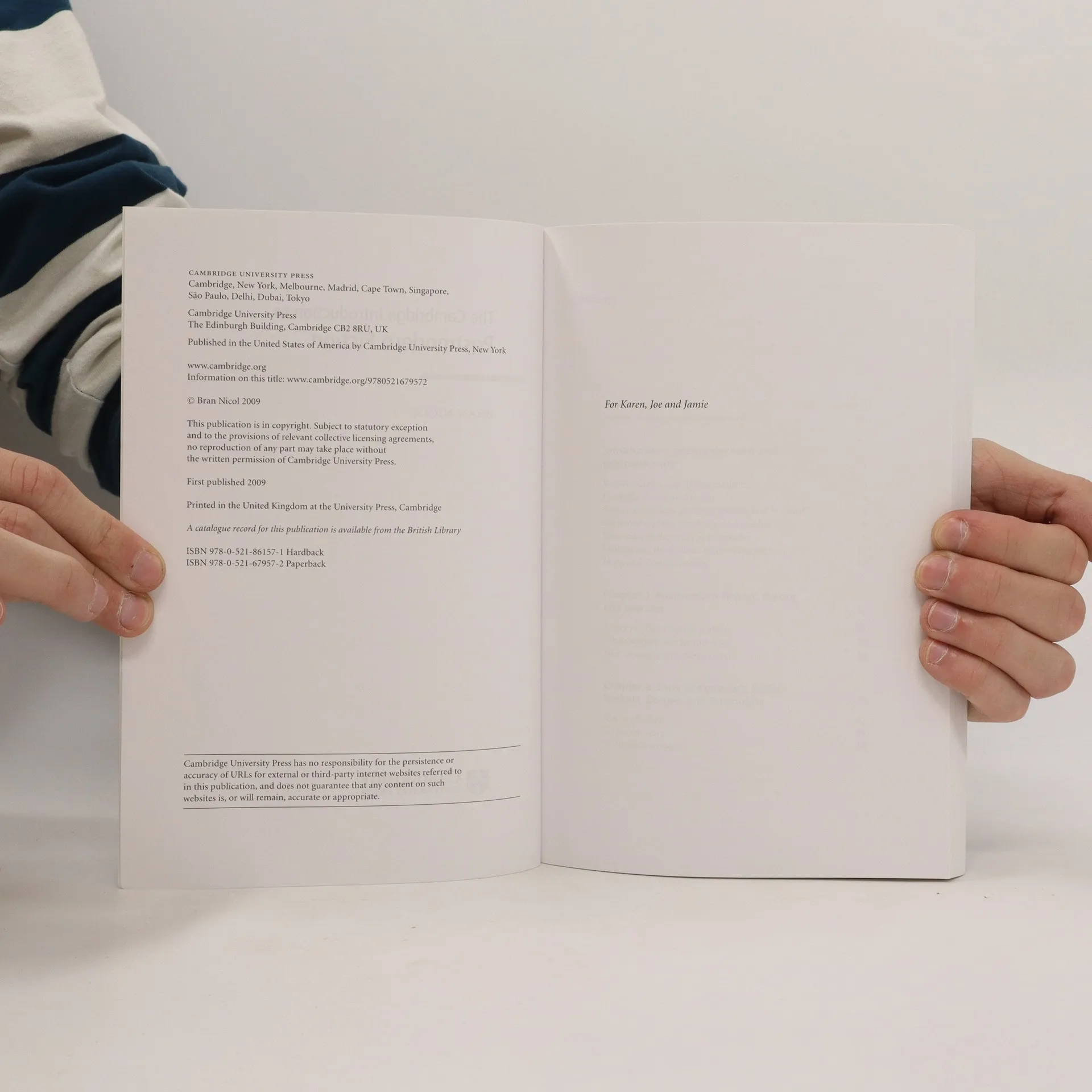
- Cambridge University Press
- Rok wydania
- 2009
- Oprawa
- miękka
- Liczba stron
- 220
- ISBN10
- 0521679575
- ISBN13
- 9780521679572
- Tagi
- Krytyka literacka, Krytyka
- Ocena
- 4,05 z 5
- Opis
- Postmodern fiction presents a challenge to the reader: instead of enjoying it passively, the reader has to work to understand its meanings, to think about what fiction is, and to question their own responses. Yet this very challenge makes postmodern writing so much fun to read and rewarding to study. Unlike most introductions to postmodernism and fiction, this book places the emphasis on literature rather than theory. It introduces the most prominent British and American novelists associated with postmodernism, from the 'pioneers', Beckett, Borges and Burroughs, to important post-war writers such as Pynchon, Carter, Atwood, Morrison, Gibson, Auster, DeLillo, and Ellis. Designed for students and clearly written, this Introduction explains the preoccupations, styles and techniques that unite postmodern authors. Their work is characterized by a self-reflexive acknowledgement of its status as fiction, and by the various ways in which it challenges readers to question common-sense and commonplace assumptions about literature.