


Więcej o książce
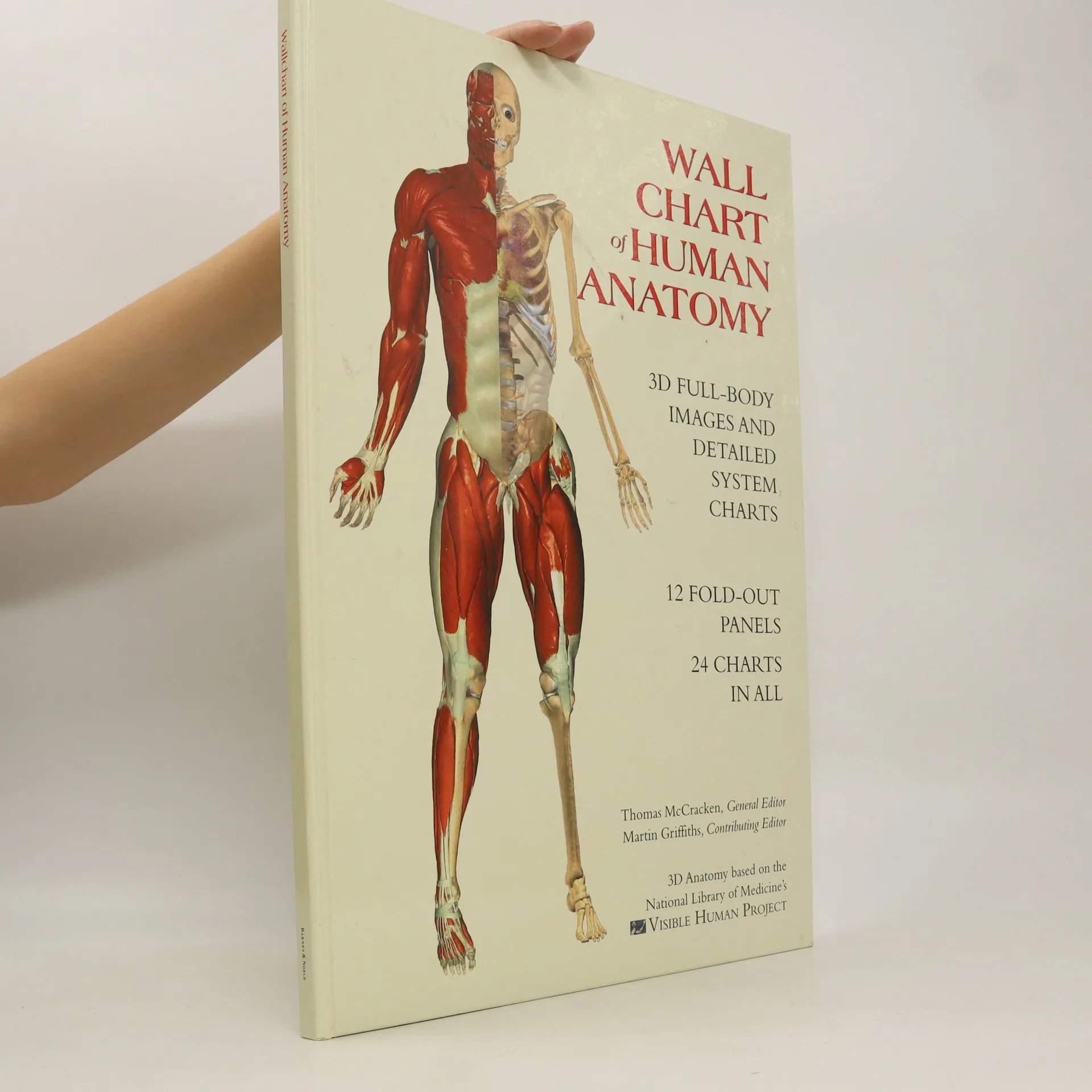
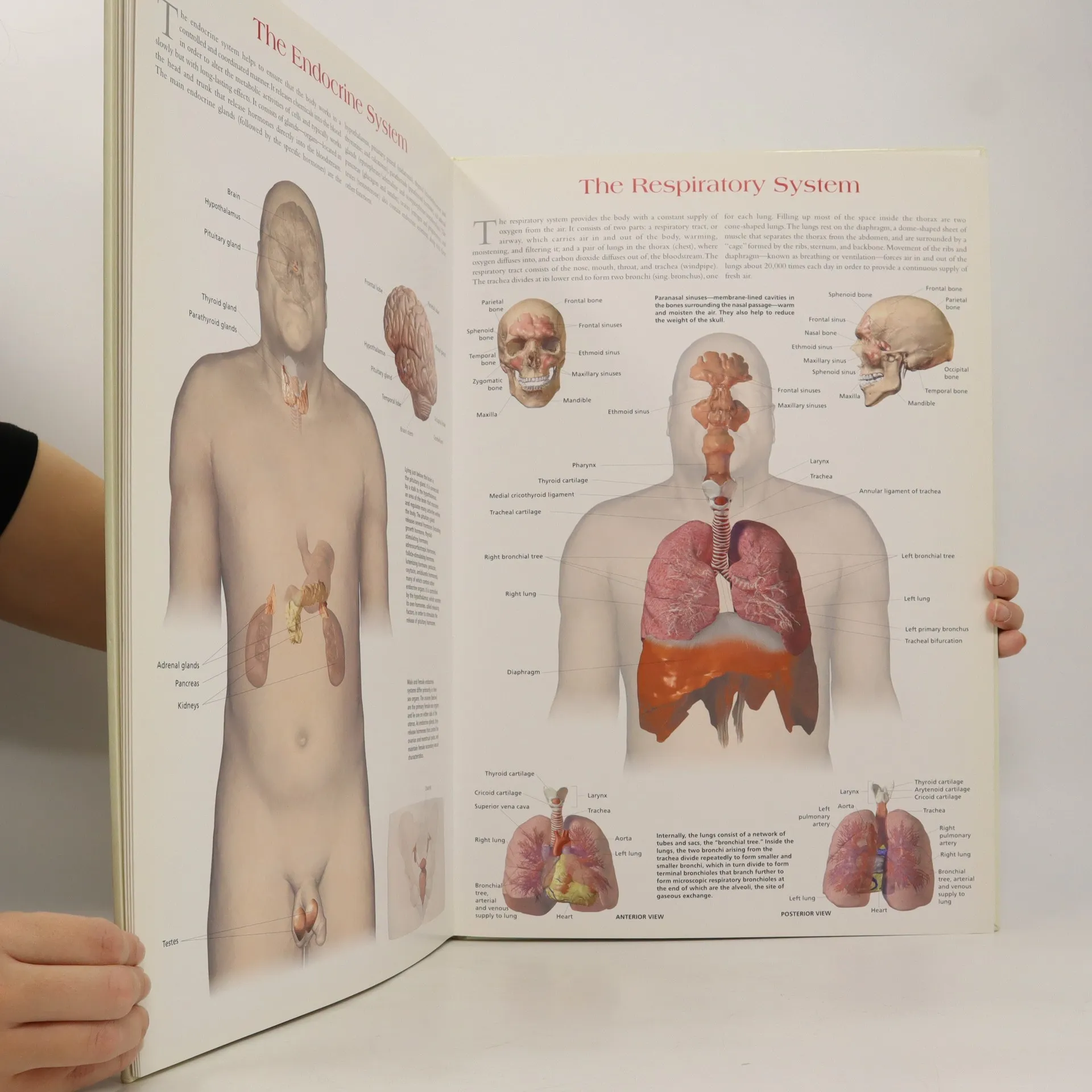
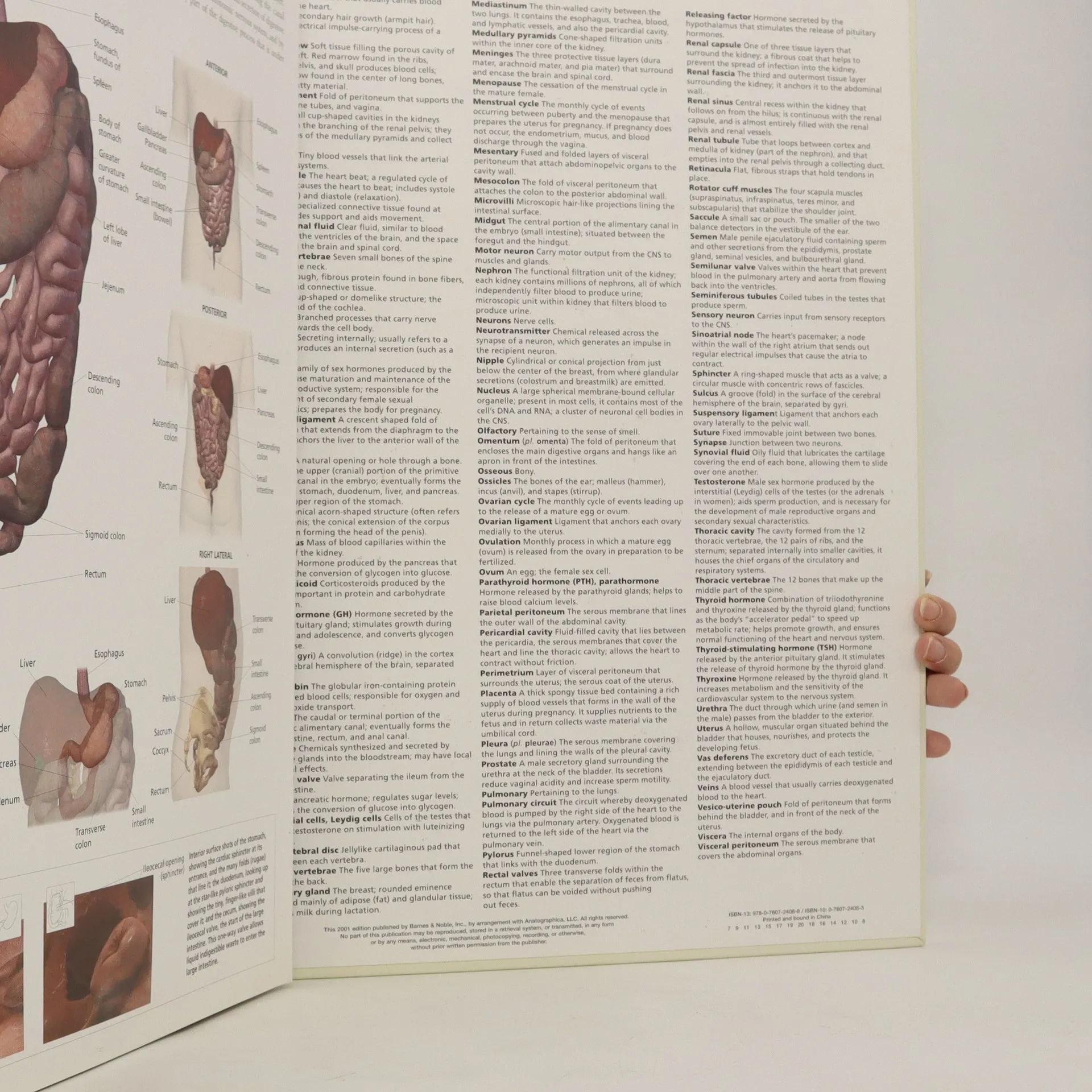
These amazing images have been created with a new technique that comes the closest to achieving the ideal of anatomical representation - recreating visually, the exact forms of the body and all its parts. This collection is derived from the first, anatomically exact, three-dimensional, computer-generated reconstruction of a human body. Unlike traditional anatomical illustration, which had to rely on idealization and exaggeration to present anatomy in an understandable way, the original versions of the images represented in these charts are three-dimensional in their digital form. The "virtual" body they represent can be turned, opened, even passed through by the viewer. Systems can be viewed in isolation, like the pieces of a jigsaw, and put back together again to show their relationship with other systems. Regions can be "dissected" progressively, by peeling away layers or even "seeing through" some tissues to reveal others underneath. The digital images allow you to view the specific subject of each chart in detail, while displaying a "ghost" image of the surrounding area if it helps to better understand positions and relationships.
Zakup książki
Wallchart of Human Anatomy, kolektiv
- Język

- Rok wydania
- 2001
- Oprawa
- (twarda)
Metody płatności
Brakuje nam tutaj Twojej recenzji.
- Tytuł
- Wallchart of Human Anatomy
- Język
- angielski
- Autorzy
- kolektiv
- Wydawca
- Books Are Fun
- Rok wydania
- 2001
- Oprawa
- twarda
- Liczba stron
- 24
- ISBN10
- 0760724083
- ISBN13
- 9780760724088
- Seria
- Kategorie
- Tagi
- Nauka
- Ocena
- 4 z 5
- Opis
- These amazing images have been created with a new technique that comes the closest to achieving the ideal of anatomical representation - recreating visually, the exact forms of the body and all its parts. This collection is derived from the first, anatomically exact, three-dimensional, computer-generated reconstruction of a human body. Unlike traditional anatomical illustration, which had to rely on idealization and exaggeration to present anatomy in an understandable way, the original versions of the images represented in these charts are three-dimensional in their digital form. The "virtual" body they represent can be turned, opened, even passed through by the viewer. Systems can be viewed in isolation, like the pieces of a jigsaw, and put back together again to show their relationship with other systems. Regions can be "dissected" progressively, by peeling away layers or even "seeing through" some tissues to reveal others underneath. The digital images allow you to view the specific subject of each chart in detail, while displaying a "ghost" image of the surrounding area if it helps to better understand positions and relationships.