

Więcej o książce
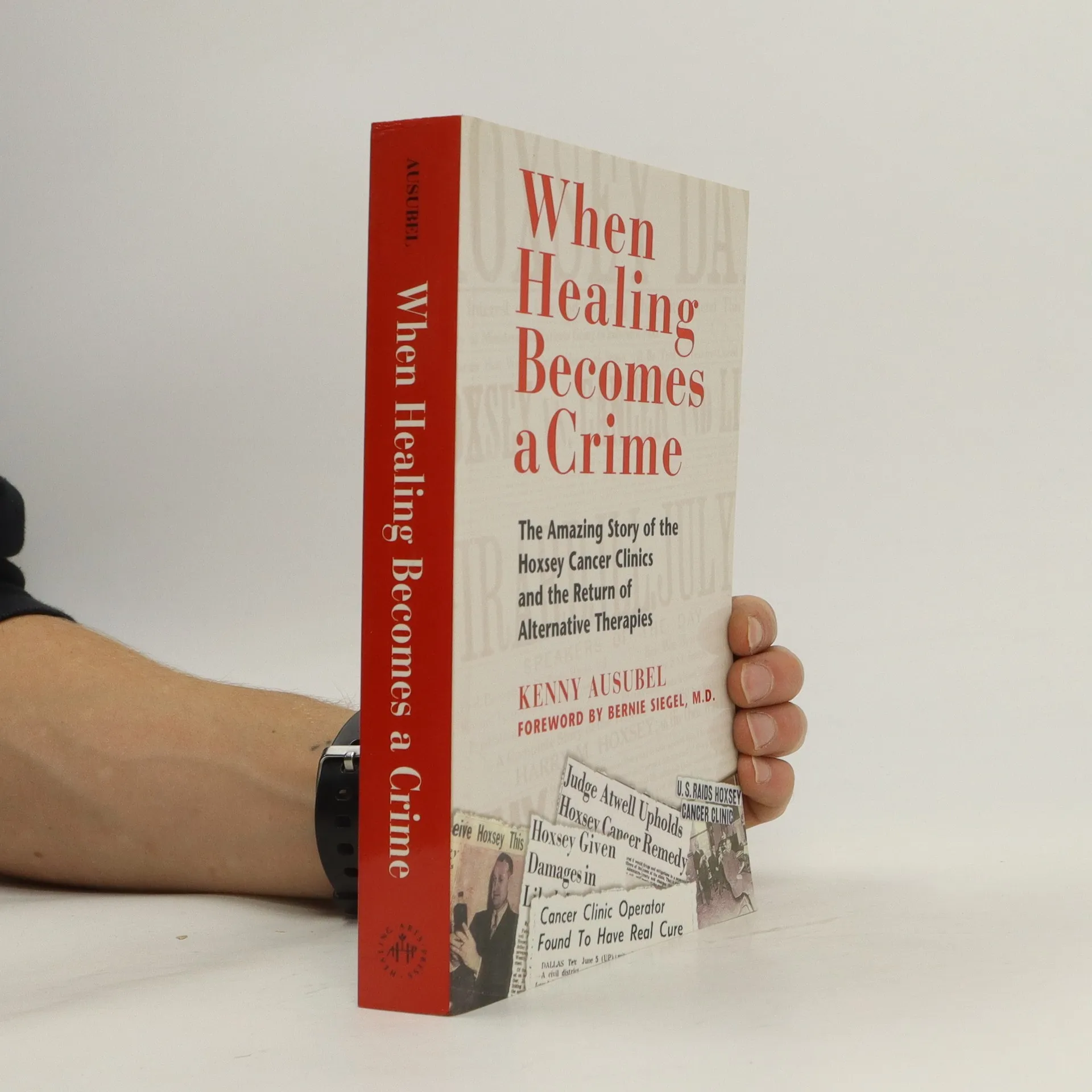
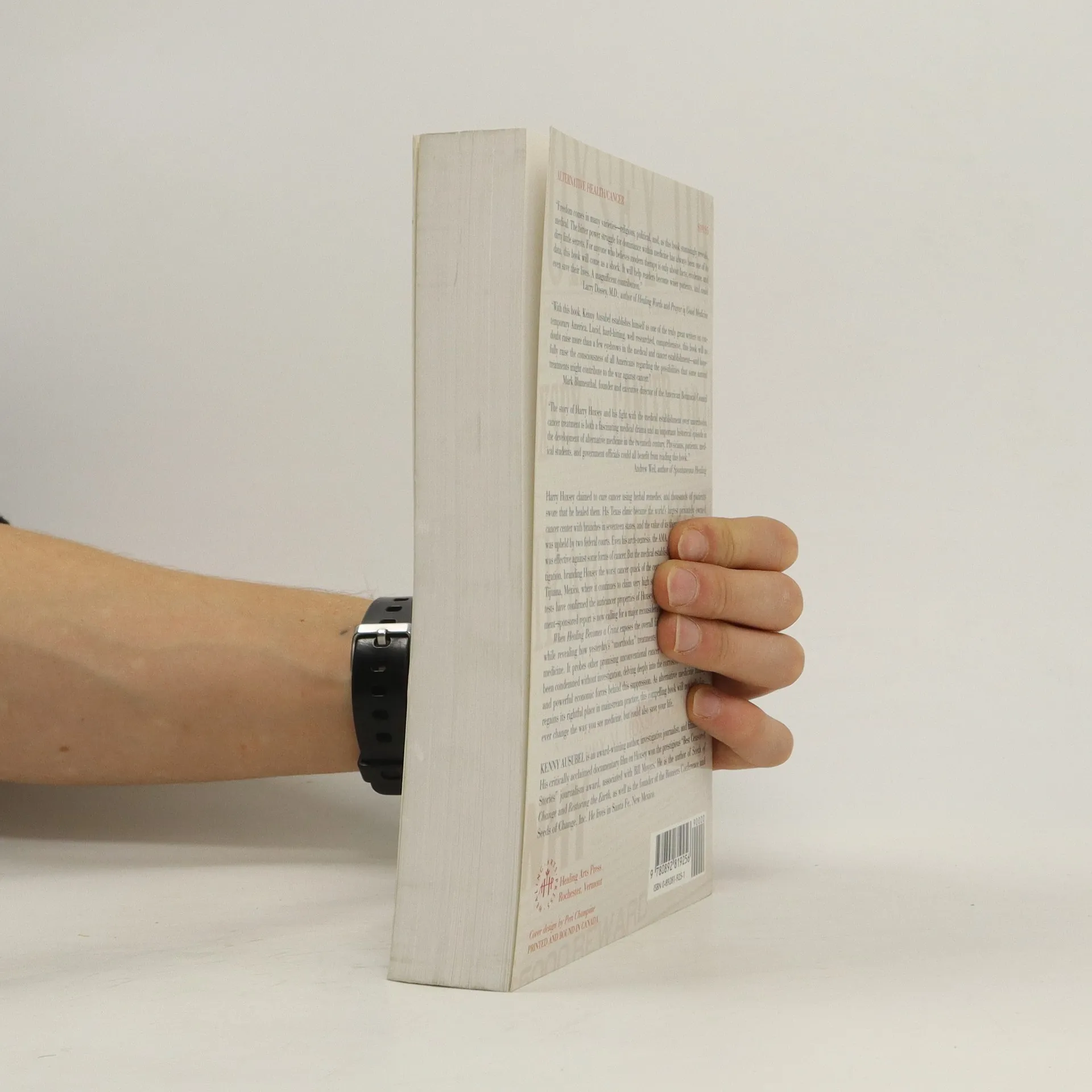
This compelling expose reveals the medical politics that hinder the adoption of promising alternative cancer therapies in the United States. It centers on Harry Hoxsey, who claimed to cure cancer with herbal remedies, and presents scientific evidence supporting his assertions. Hoxsey's Texas clinic became the largest privately owned cancer center, with branches in seventeen states, and his treatments were validated by two federal courts. Even the AMA acknowledged their effectiveness against certain cancers. However, the medical establishment dismissed Hoxsey as a quack and forced his clinic to relocate to Tijuana, Mexico, where it continues to report high success rates. Modern laboratory tests have confirmed the anticancer properties of Hoxsey's herbs, prompting a government-sponsored report advocating for a reevaluation of his therapy. The narrative critiques the failures of the War on Cancer and highlights how once "unorthodox" treatments are now gaining recognition in mainstream medicine. It also explores other unconventional cancer therapies that have faced similar condemnation without proper investigation, shedding light on the medical politics and economic interests that suppress these alternatives. This book promises to change perceptions of medicine and could potentially save lives as alternative treatments gain acceptance.
Zakup książki
When Healing Becomes a Crime, Kenny Ausubel
- Język

- Rok wydania
- 2000
- Oprawa
- (miękka)
Metody płatności
Brakuje nam tutaj Twojej recenzji.
- Tytuł
- When Healing Becomes a Crime
- Język
- angielski
- Autorzy
- Kenny Ausubel
- Wydawca
- Healing Arts Press
- Rok wydania
- 2000
- Oprawa
- miękka
- Liczba stron
- 480
- ISBN10
- 0892819251
- ISBN13
- 9780892819256
- Seria
- Kategorie
- Ocena
- 4,55 z 5
- Opis
- This compelling expose reveals the medical politics that hinder the adoption of promising alternative cancer therapies in the United States. It centers on Harry Hoxsey, who claimed to cure cancer with herbal remedies, and presents scientific evidence supporting his assertions. Hoxsey's Texas clinic became the largest privately owned cancer center, with branches in seventeen states, and his treatments were validated by two federal courts. Even the AMA acknowledged their effectiveness against certain cancers. However, the medical establishment dismissed Hoxsey as a quack and forced his clinic to relocate to Tijuana, Mexico, where it continues to report high success rates. Modern laboratory tests have confirmed the anticancer properties of Hoxsey's herbs, prompting a government-sponsored report advocating for a reevaluation of his therapy. The narrative critiques the failures of the War on Cancer and highlights how once "unorthodox" treatments are now gaining recognition in mainstream medicine. It also explores other unconventional cancer therapies that have faced similar condemnation without proper investigation, shedding light on the medical politics and economic interests that suppress these alternatives. This book promises to change perceptions of medicine and could potentially save lives as alternative treatments gain acceptance.