




Więcej o książce
The European Convention on Human Rights has attained a tremendous significance in the jurisdiction of European States--particularly the UK--and is widely acknowledged to be the standard by which other regional Human Rights instruments are measured. It is now vitally important for students andpractitioners to be familiar with the case law, jurisdiction and procedures of the European Court of Human Rights. In this work, the authors introduce the process and substance of European Human Rights law. Thoroughly revised, updated and expanded, this popular text and materials book places theEuropean Convention within a comparative framework discussing cases from the US, Canada and the UK. The book includes a full assessment of the widening of the Strasbourg system to include the newly democratic states of Central and Eastern Europe. This book will continue to prove popular withstudents and teachers as a teaching resource and to practitioners as a work of reference.
Zakup książki
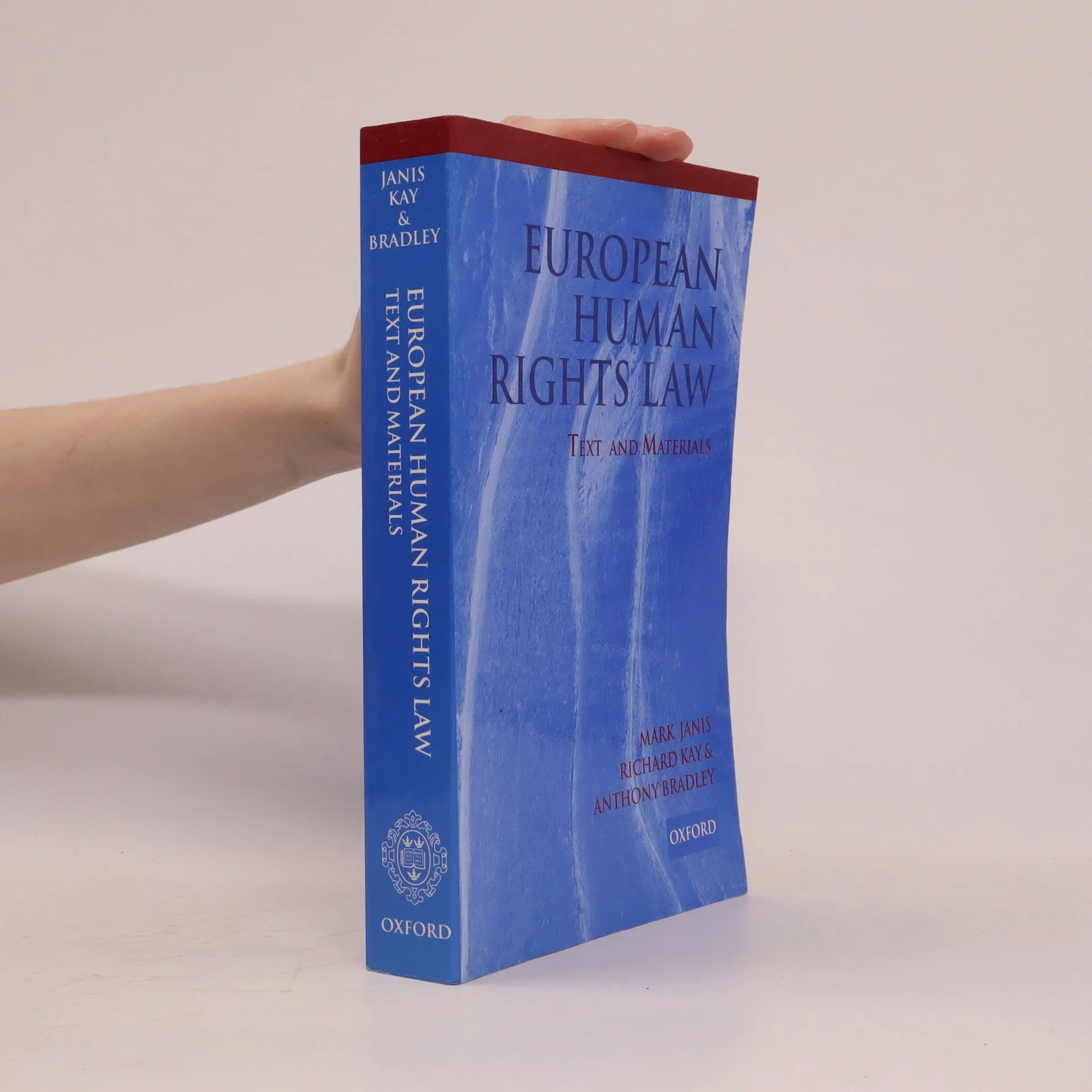
European Human Rights Law, R. Richard Kay, Mark W. Janis, Anthony Bradley
- Język

- Rok wydania
- 1995
- Oprawa
- (miękka)
Metody płatności
Nikt jeszcze nie ocenił.
- Tytuł
- European Human Rights Law
- Język
- angielski
- Autorzy
- R. Richard Kay, Mark W. Janis, Anthony Bradley
- Wydawca
- Oxford
- Rok wydania
- 1995
- Oprawa
- miękka
- Liczba stron
- 542
- ISBN10
- 0198763964
- ISBN13
- 9780198763963
- Seria
- Tagi
- Biznes, Tematy prawne
- Opis
- The European Convention on Human Rights has attained a tremendous significance in the jurisdiction of European States--particularly the UK--and is widely acknowledged to be the standard by which other regional Human Rights instruments are measured. It is now vitally important for students andpractitioners to be familiar with the case law, jurisdiction and procedures of the European Court of Human Rights. In this work, the authors introduce the process and substance of European Human Rights law. Thoroughly revised, updated and expanded, this popular text and materials book places theEuropean Convention within a comparative framework discussing cases from the US, Canada and the UK. The book includes a full assessment of the widening of the Strasbourg system to include the newly democratic states of Central and Eastern Europe. This book will continue to prove popular withstudents and teachers as a teaching resource and to practitioners as a work of reference.