

Parametry
Więcej o książce
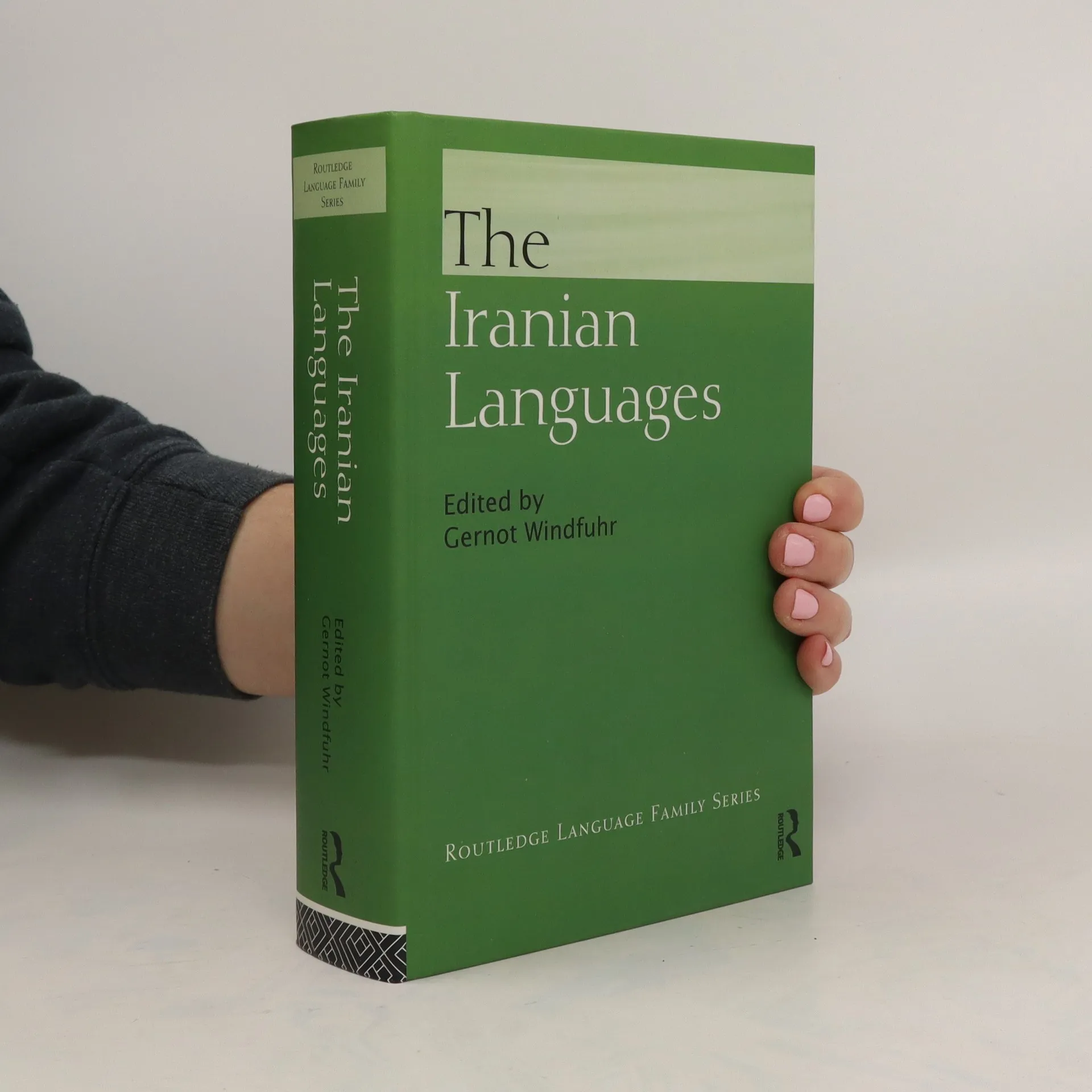
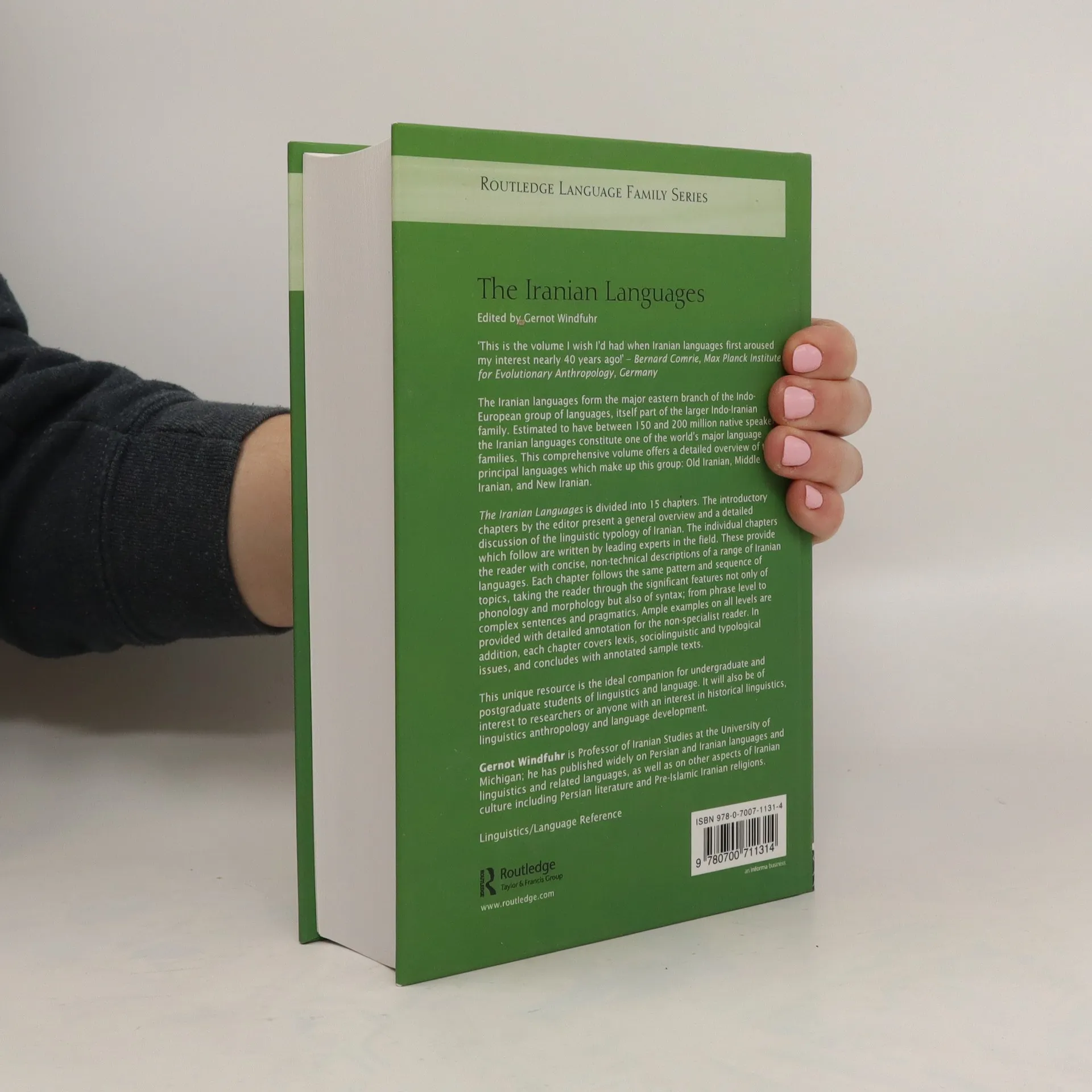
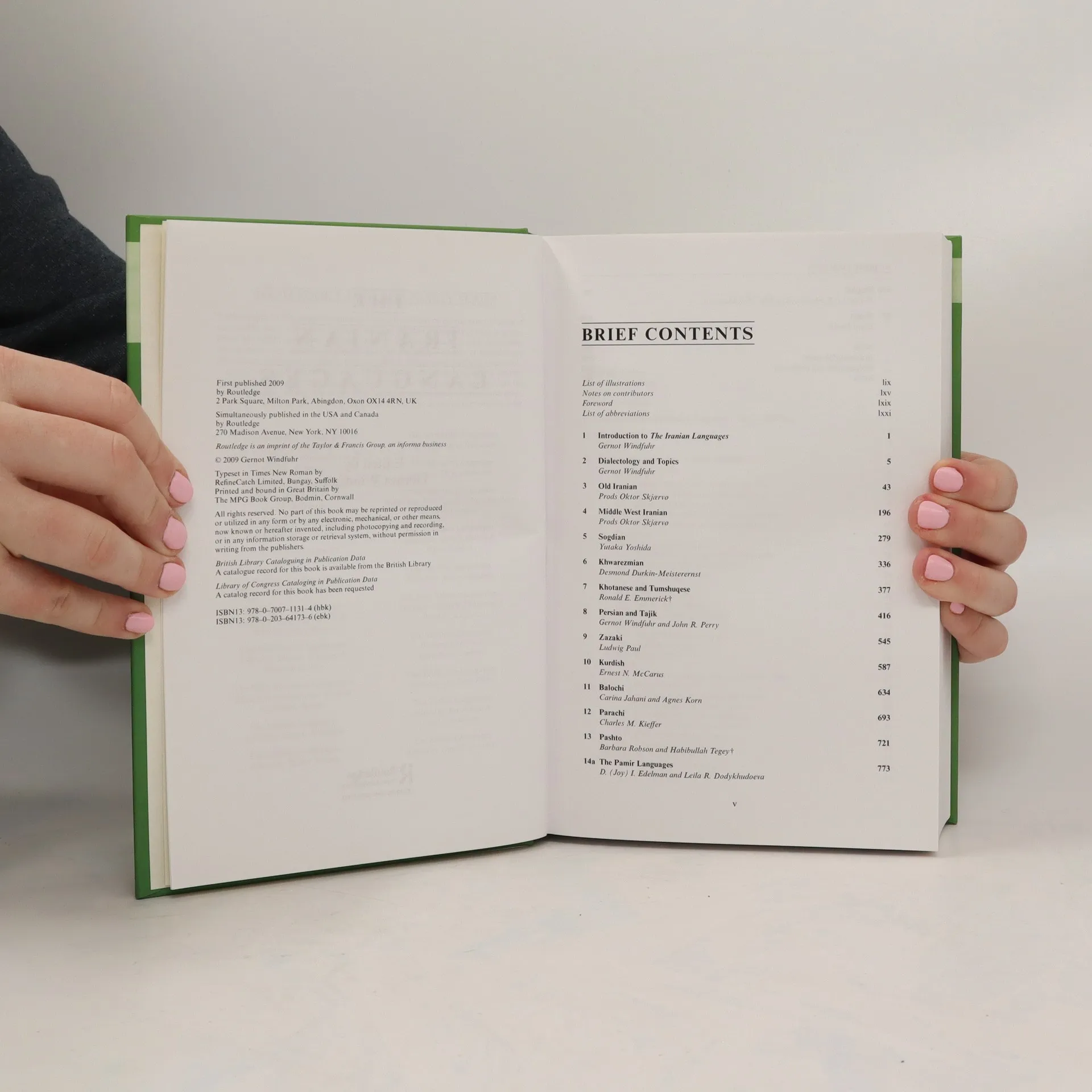
'This is the volume I wish I'd had when Iranian languages first aroused my interest nearly 40 years ago!' - Bernard Comrie, Max Planck Institute for Evolutionary Anthropology, Germany The Iranian Languages is divided into 15 chapters. The introductory chapters by the editor present a general overview and a detailed discussion of the linguistic typology of Iranian. The individual chapters which follow are written by leading experts in the field. These provide the reader with concise, non-technical descriptions of a range of Iranian languages. Each chapter follows the same pattern and sequence of topics, taking the reader through the significant features not only of phonology and morphology but also of syntax; from phrase level to complex sentences and pragmatics. This unique resource is the ideal companion for undergraduate and postgraduate students of linguistics and language. It will also be of interest to researchers or anyone with an interest in historical linguistics, linguistics anthropology and language development.
Zakup książki
The Iranian languages, Gernot Windfuhr
- Język

- Rok wydania
- 2009
- Oprawa
- (twarda)
Metody płatności
Brakuje nam tutaj Twojej recenzji.
- Tytuł
- The Iranian languages
- Język
- angielski
- Autorzy
- Gernot Windfuhr
- Rok wydania
- 2009
- Oprawa
- twarda
- ISBN10
- 0700711317
- ISBN13
- 9780700711314
- Tagi
- Lingwistyka
- Ocena
- 4 z 5
- Opis
- 'This is the volume I wish I'd had when Iranian languages first aroused my interest nearly 40 years ago!' - Bernard Comrie, Max Planck Institute for Evolutionary Anthropology, Germany The Iranian Languages is divided into 15 chapters. The introductory chapters by the editor present a general overview and a detailed discussion of the linguistic typology of Iranian. The individual chapters which follow are written by leading experts in the field. These provide the reader with concise, non-technical descriptions of a range of Iranian languages. Each chapter follows the same pattern and sequence of topics, taking the reader through the significant features not only of phonology and morphology but also of syntax; from phrase level to complex sentences and pragmatics. This unique resource is the ideal companion for undergraduate and postgraduate students of linguistics and language. It will also be of interest to researchers or anyone with an interest in historical linguistics, linguistics anthropology and language development.