



Więcej o książce
This fifth edition has been fully updated to cover the many advances made in CAGD and curve and surface theory since 1997, when the fourth edition appeared. Material has been restructured into theory and applications chapters. The theory material has been streamlined using the blossoming approach; the applications material includes least squares techniques in addition to the traditional interpolation methods. In all other respects, it is, thankfully, the same. This means you get the informal, friendly style and unique approach that has made Curves and Surfaces for A Practical Guide a true classic. The book's unified treatment of all significant methods of curve and surface design is heavily focused on the movement from theory to application. The author provides complete C implementations of many of the theories he discusses, ranging from the traditional to the leading-edge. You'll gain a deep, practical understanding of their advantages, disadvantages, and interrelationships, and in the process you'll see why this book has emerged as a proven resource for thousands of other professionals and academics.
Zakup książki
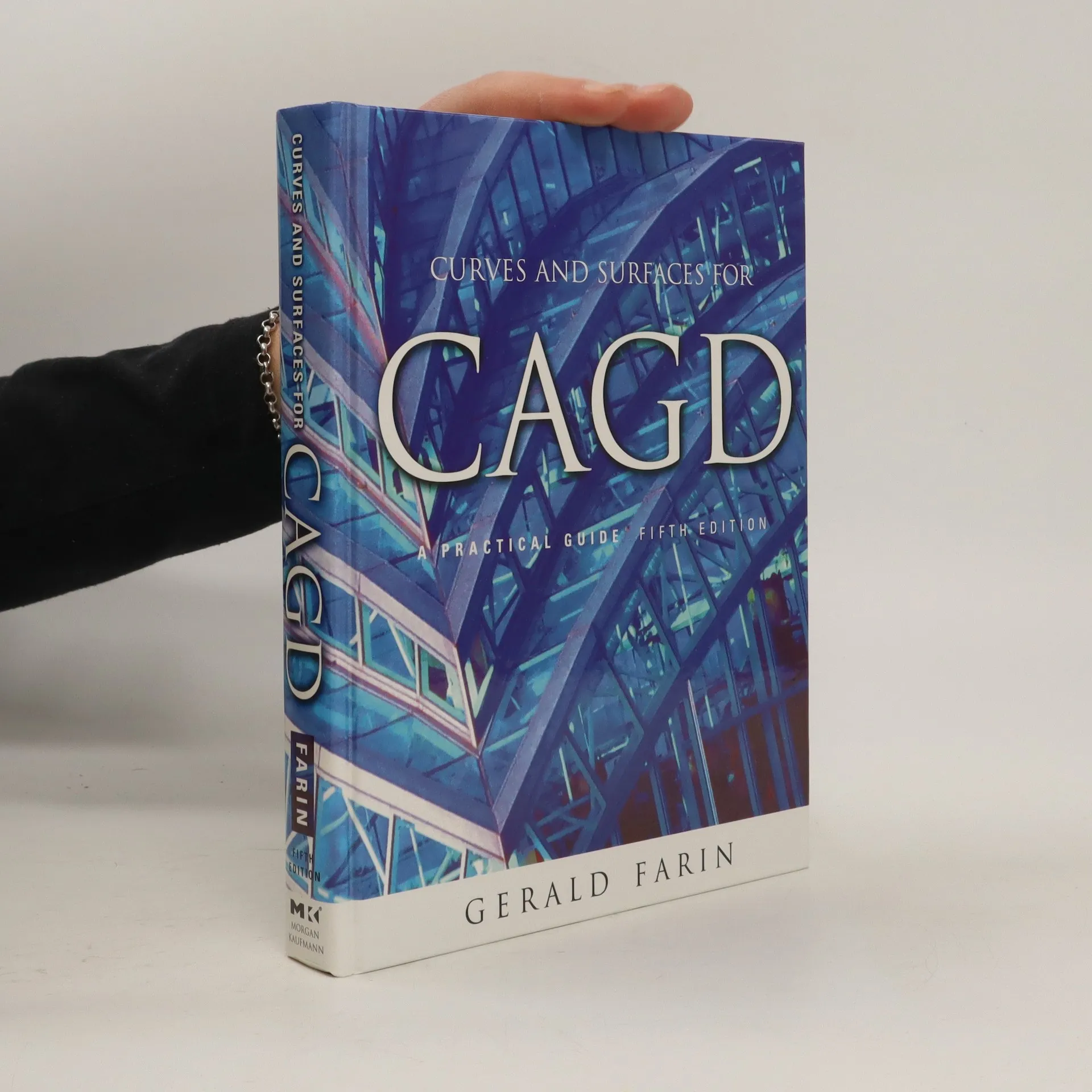
Curves and Surfaces for CAGD: A Practical Guide, Gerald E. Farin
- Język

- Rok wydania
- 2002
- Oprawa
- (twarda)
Metody płatności
Brakuje nam tutaj Twojej recenzji.
- Tytuł
- Curves and Surfaces for CAGD: A Practical Guide
- Język
- angielski
- Autorzy
- Gerald E. Farin
- Wydawca
- Morgan Kaufmann
- Rok wydania
- 2002
- Oprawa
- twarda
- Liczba stron
- 520
- ISBN10
- 1558607374
- ISBN13
- 9781558607378
- Seria
- Tagi
- Technologia
- Ocena
- 4,1 z 5
- Opis
- This fifth edition has been fully updated to cover the many advances made in CAGD and curve and surface theory since 1997, when the fourth edition appeared. Material has been restructured into theory and applications chapters. The theory material has been streamlined using the blossoming approach; the applications material includes least squares techniques in addition to the traditional interpolation methods. In all other respects, it is, thankfully, the same. This means you get the informal, friendly style and unique approach that has made Curves and Surfaces for A Practical Guide a true classic. The book's unified treatment of all significant methods of curve and surface design is heavily focused on the movement from theory to application. The author provides complete C implementations of many of the theories he discusses, ranging from the traditional to the leading-edge. You'll gain a deep, practical understanding of their advantages, disadvantages, and interrelationships, and in the process you'll see why this book has emerged as a proven resource for thousands of other professionals and academics.