

Więcej o książce
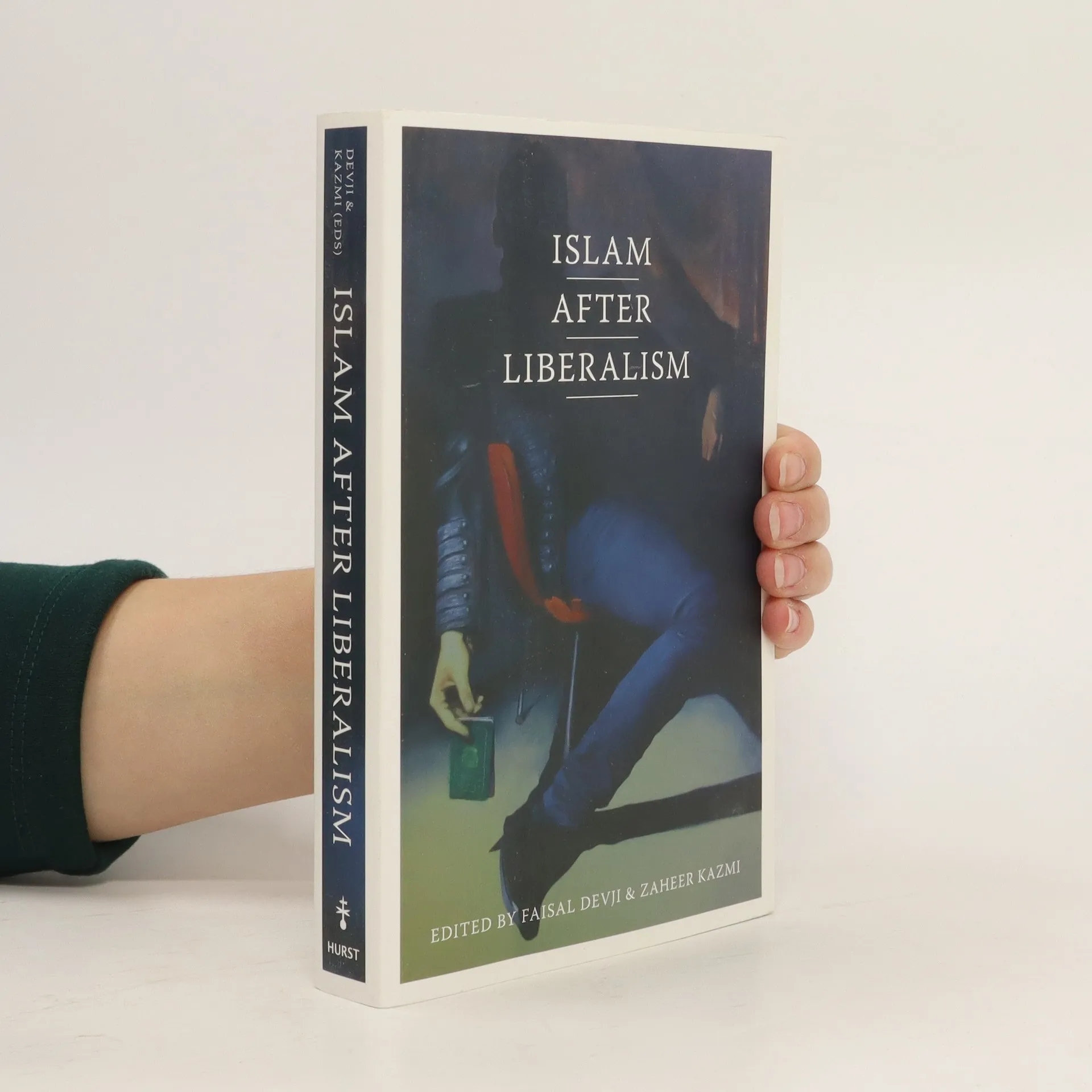
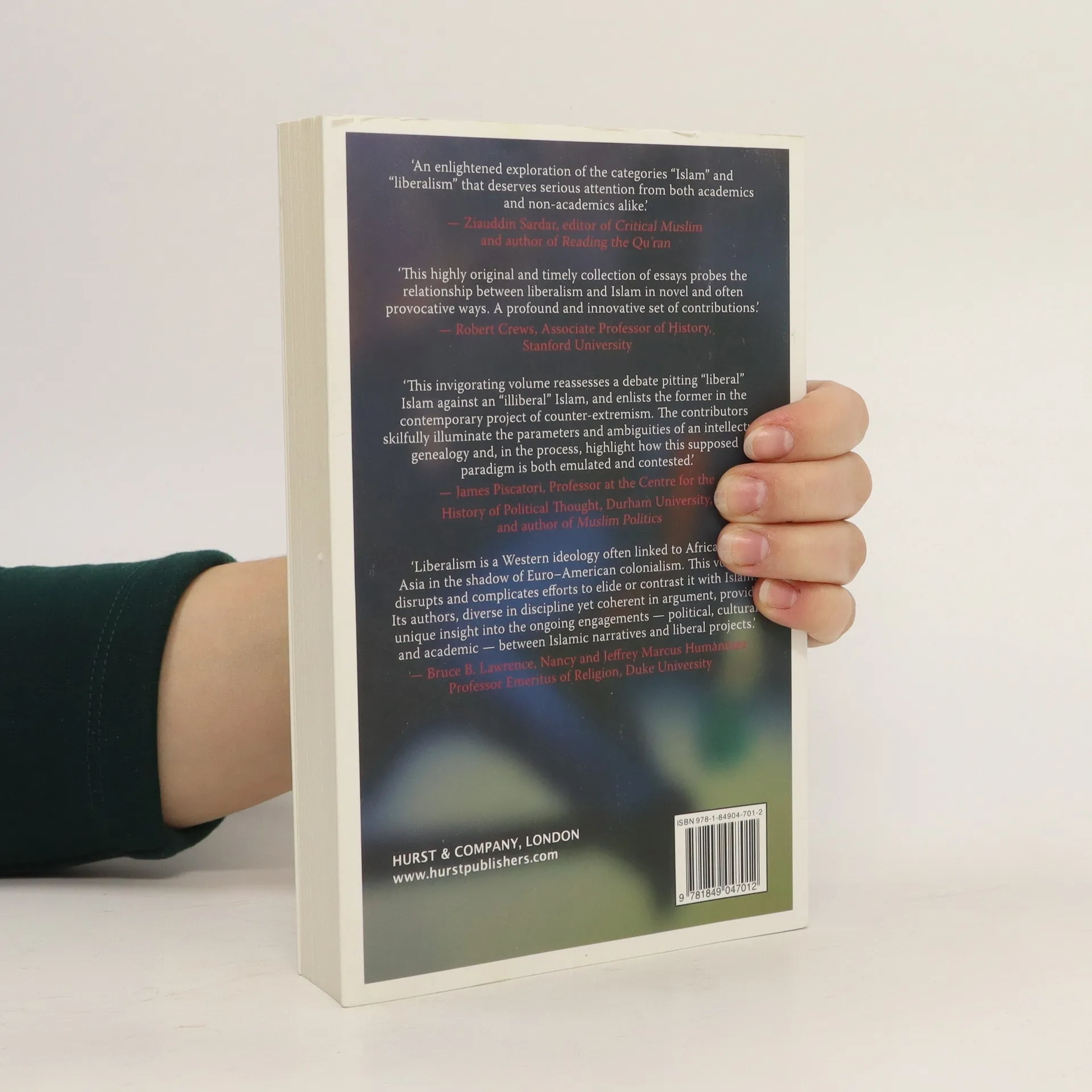
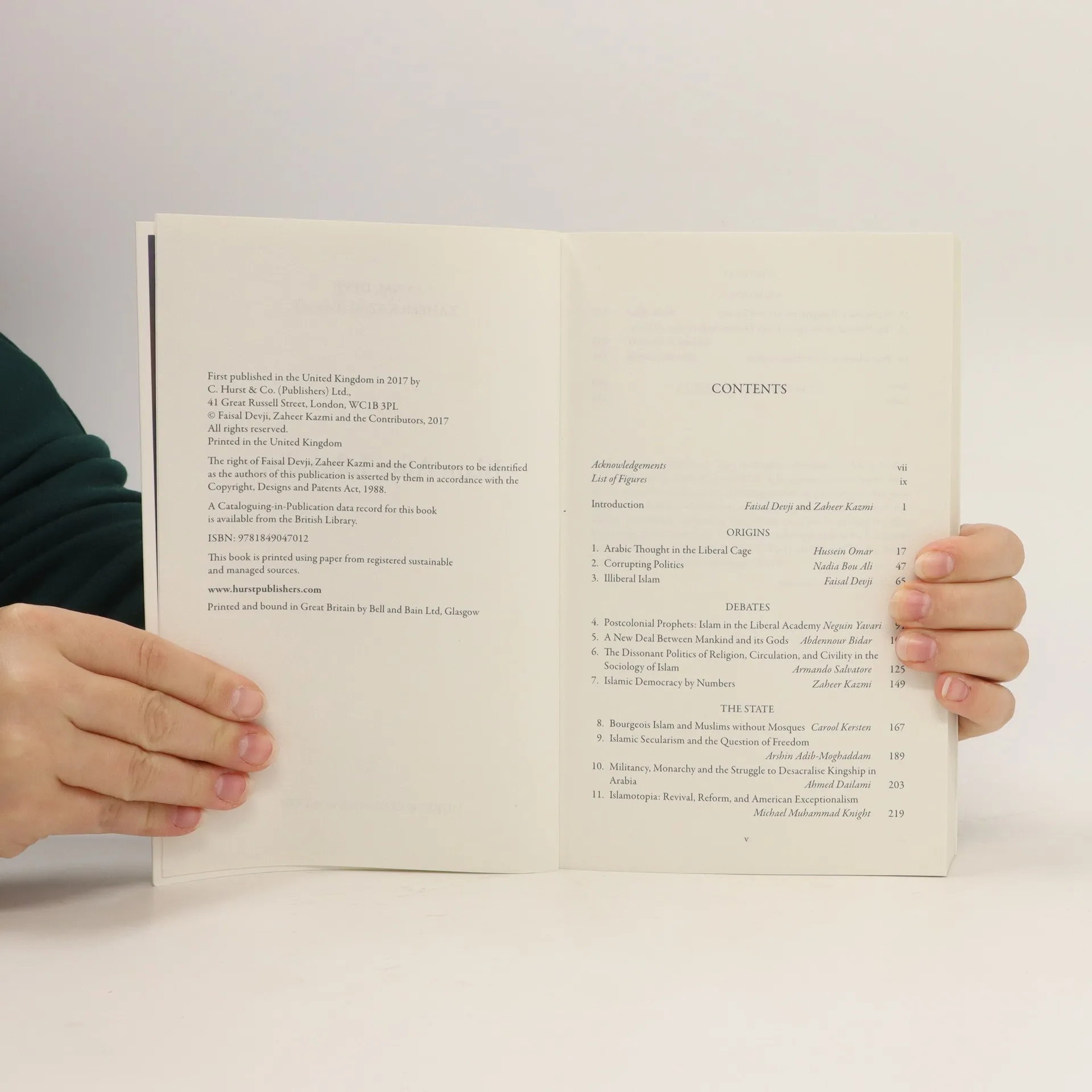
Leading scholars discuss how 'Islam' and 'liberalism' have been entwined historically and politically and how Muslims have thought about this longstanding relationship. Forged in the age of empire, the relationship between Islam and liberalism has taken on a sense of urgency today, when global conflicts are seen as pitting one against the other. More than describing a civilisational fault-line between the Muslim world and the West, however, this relationship also offers the potential for consensus and the possibility of moral and political engagement or compatibility. The existence or extent of this correspondence tends to preoccupy academic as much as popular accounts of such a relationship. This volume looks however to the way in which Muslim politics and society are defined beyond and indeed after it. Reappraising the 'first wave' of Islamic liberalism during the nineteenth century, the book describes the long and intertwined histories of these categories across a large geographical expanse. By drawing upon the contributions of scholars from a variety of disciplines -- including philosophy, theology, sociology, politics and history -- it explores how liberalism has been criticised and refashioned by Muslim thinkers and movements, to assume a reality beyond the abstractions that define its compatibility with Islam.
Zakup książki
Islam After Liberalism, Faisal Devji
- Język

- Rok wydania
- 2017
- Oprawa
- (miękka)
Metody płatności
Nikt jeszcze nie ocenił.
- Tytuł
- Islam After Liberalism
- Język
- angielski
- Autorzy
- Faisal Devji
- Rok wydania
- 2017
- Oprawa
- miękka
- Liczba stron
- 288
- ISBN10
- 1849047014
- ISBN13
- 9781849047012
- Seria
- Opis
- Leading scholars discuss how 'Islam' and 'liberalism' have been entwined historically and politically and how Muslims have thought about this longstanding relationship. Forged in the age of empire, the relationship between Islam and liberalism has taken on a sense of urgency today, when global conflicts are seen as pitting one against the other. More than describing a civilisational fault-line between the Muslim world and the West, however, this relationship also offers the potential for consensus and the possibility of moral and political engagement or compatibility. The existence or extent of this correspondence tends to preoccupy academic as much as popular accounts of such a relationship. This volume looks however to the way in which Muslim politics and society are defined beyond and indeed after it. Reappraising the 'first wave' of Islamic liberalism during the nineteenth century, the book describes the long and intertwined histories of these categories across a large geographical expanse. By drawing upon the contributions of scholars from a variety of disciplines -- including philosophy, theology, sociology, politics and history -- it explores how liberalism has been criticised and refashioned by Muslim thinkers and movements, to assume a reality beyond the abstractions that define its compatibility with Islam.