

Więcej o książce
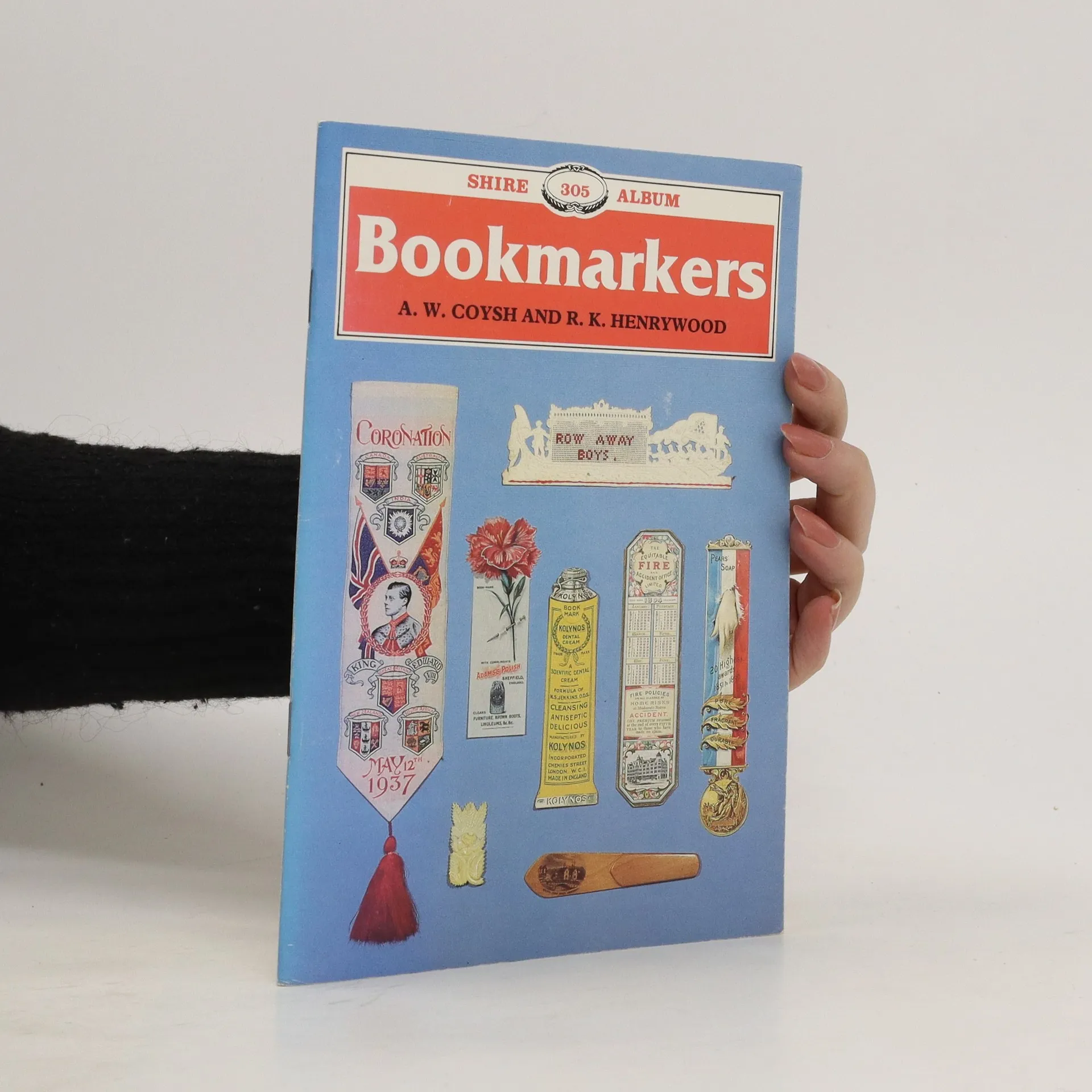
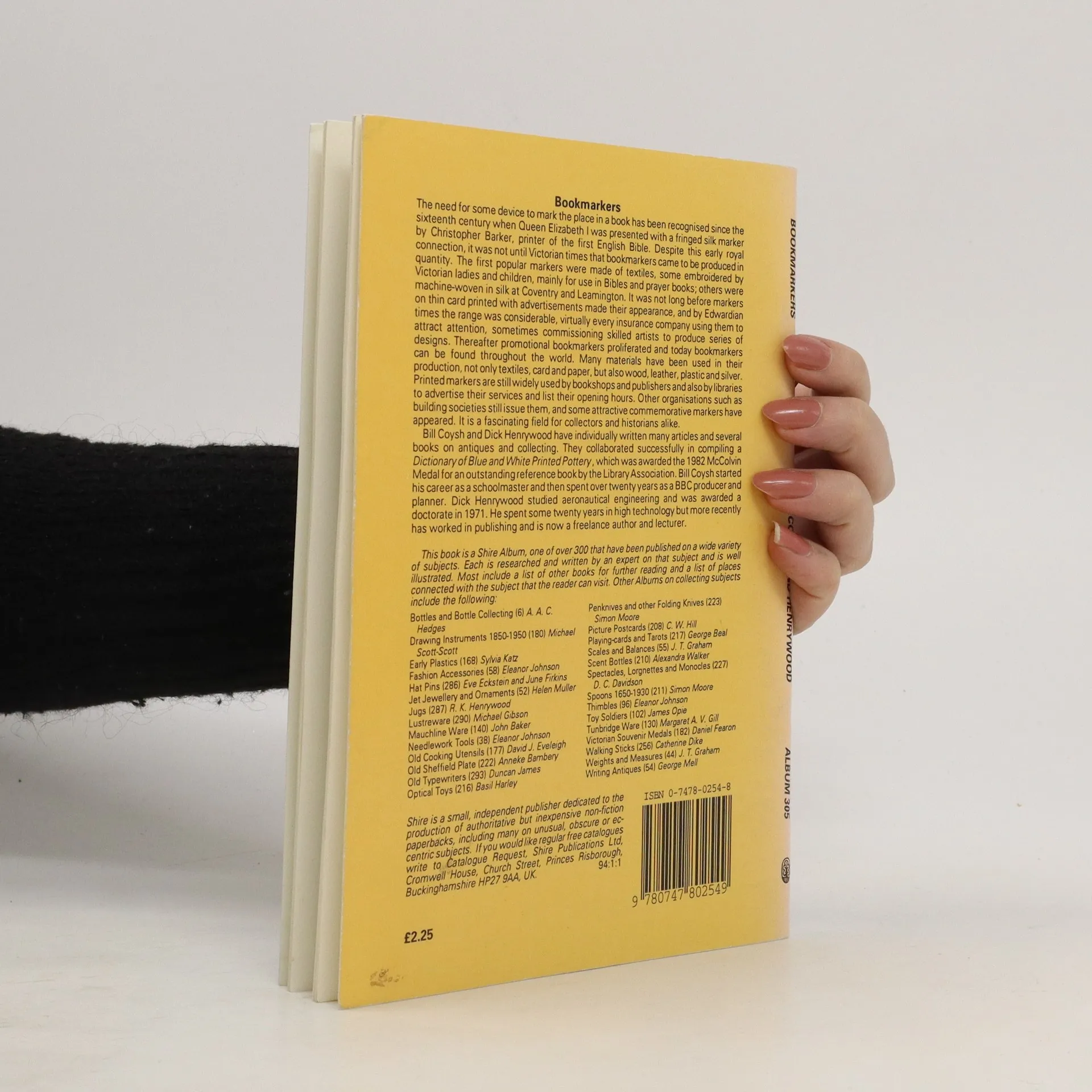
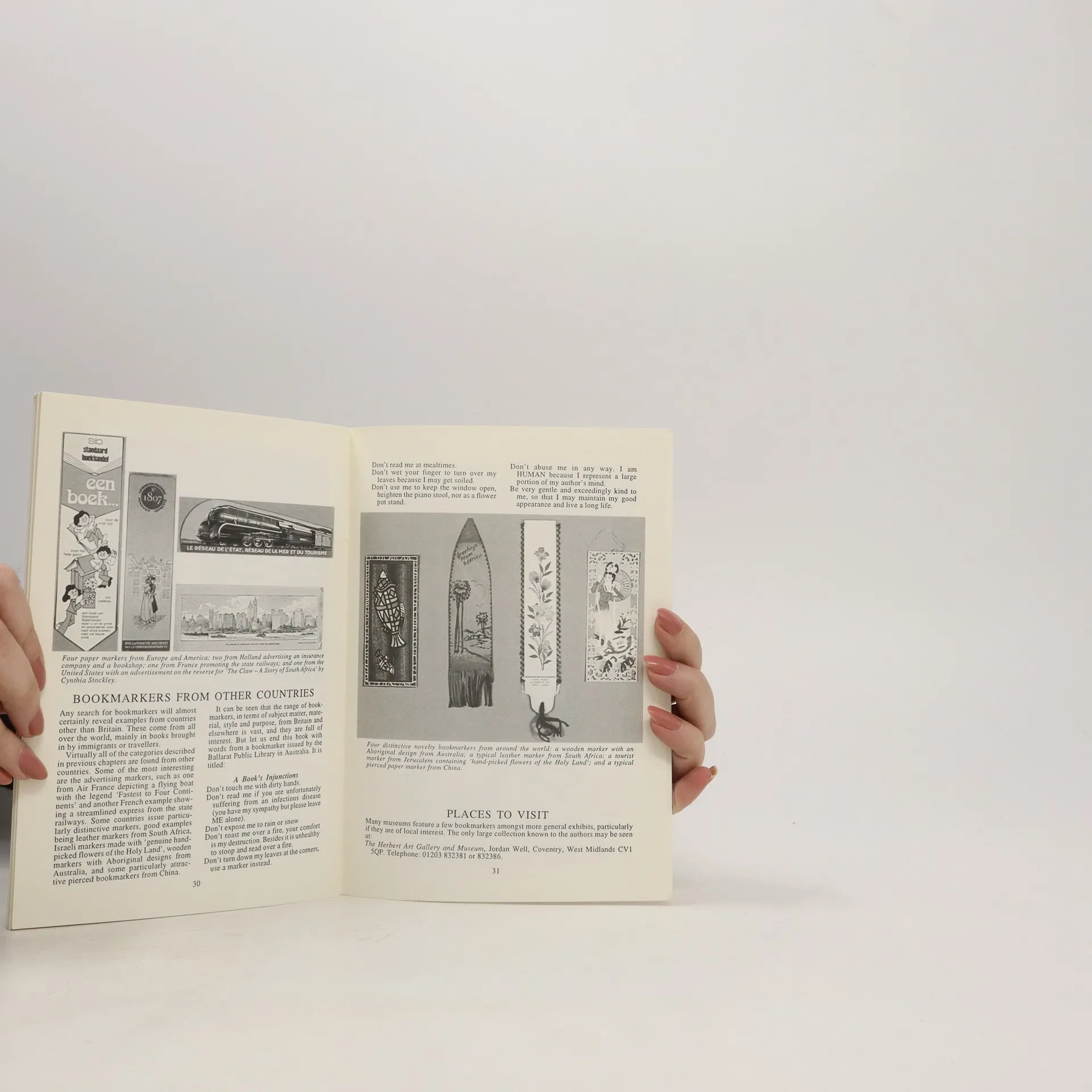
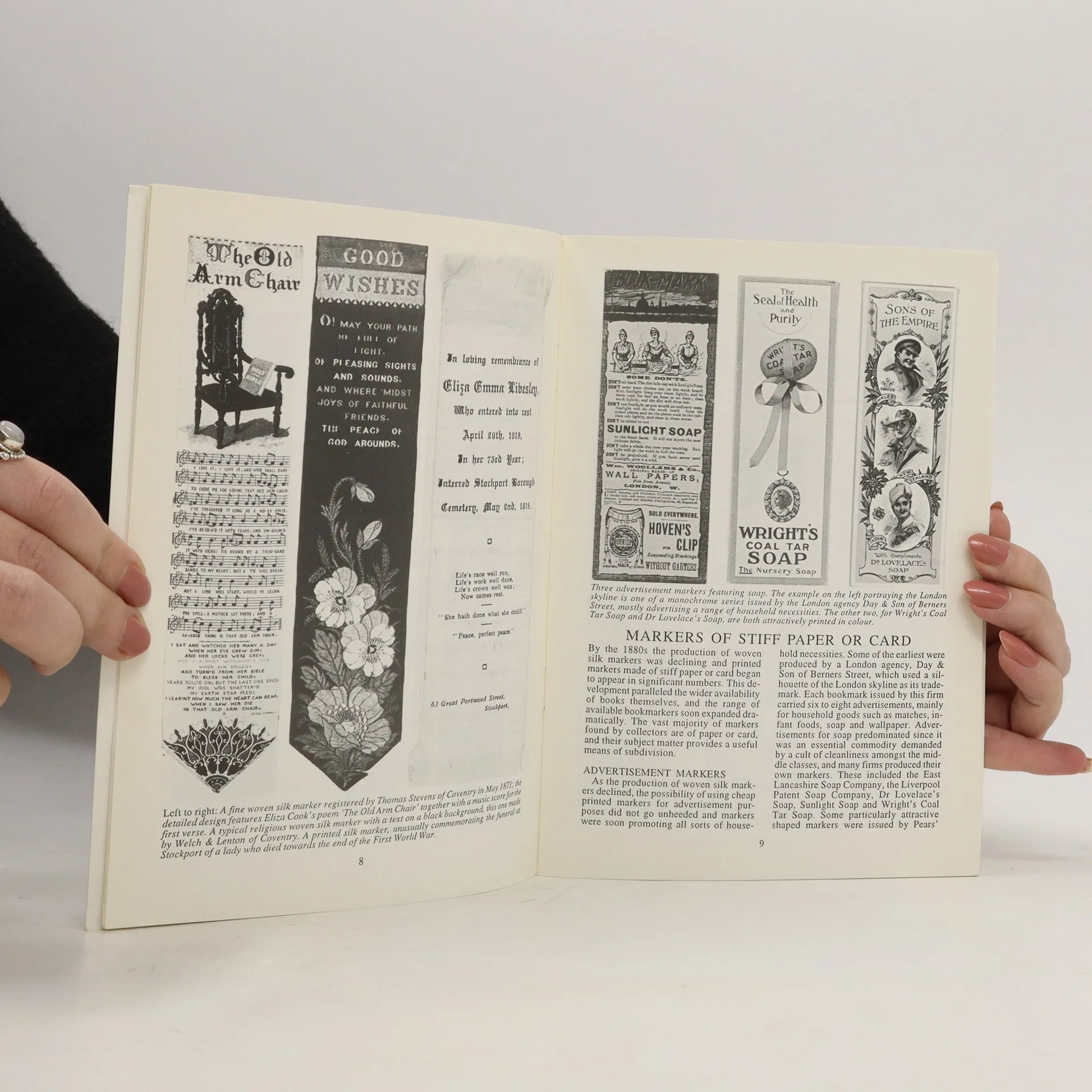
The need for some device to mark the place in a book has been recognised since the sixteenth century when Queen Elizabeth I was presented with a fringed silk marker by Christopher Barker, printer of the first English Bible. Despite this early royal connection, it was not until Victorian times that bookmarkers came to be produced in quantity. The first popular markers were made of textiles, some embroidered by Victorian ladies and children, mainly for use in Bibles and prayer books; others were machine-woven in silk at Coventry and Leamington. It was not long before markers on thin card printed with advertisements made their appearance, and by Edwardian times the range was considerable, virtually every insurance company using them to attract attention, sometimes commissioning skilled artists to produce series of designs. Thereafter promotional bookkmarkers proliferated and today bookmarkers can be found throughout the world. Many materials have been used in their production, not only textiles, cardd and paper, but also wood, learther, plastic and silver. Printed markers are still widely used by bookshops and publishers and also by libraries to advertise their services and list their opening hours. Other organisations such as building societies still issue them, and some attractive commemorative markers have appeared. It is a fascinating field for collectors and historians alike.
Zakup książki
Bookmarkers, R. K. Henrywood, Arthur Wilfred Coysh
- Język

- Rok wydania
- 1994
- Oprawa
- (miękka)
Metody płatności
Nikt jeszcze nie ocenił.
- Tytuł
- Bookmarkers
- Język
- angielski
- Autorzy
- R. K. Henrywood, Arthur Wilfred Coysh
- Rok wydania
- 1994
- Oprawa
- miękka
- Liczba stron
- 32
- ISBN10
- 0747802548
- ISBN13
- 9780747802549
- Seria
- Tagi
- Sztuka
- Opis
- The need for some device to mark the place in a book has been recognised since the sixteenth century when Queen Elizabeth I was presented with a fringed silk marker by Christopher Barker, printer of the first English Bible. Despite this early royal connection, it was not until Victorian times that bookmarkers came to be produced in quantity. The first popular markers were made of textiles, some embroidered by Victorian ladies and children, mainly for use in Bibles and prayer books; others were machine-woven in silk at Coventry and Leamington. It was not long before markers on thin card printed with advertisements made their appearance, and by Edwardian times the range was considerable, virtually every insurance company using them to attract attention, sometimes commissioning skilled artists to produce series of designs. Thereafter promotional bookkmarkers proliferated and today bookmarkers can be found throughout the world. Many materials have been used in their production, not only textiles, cardd and paper, but also wood, learther, plastic and silver. Printed markers are still widely used by bookshops and publishers and also by libraries to advertise their services and list their opening hours. Other organisations such as building societies still issue them, and some attractive commemorative markers have appeared. It is a fascinating field for collectors and historians alike.