



Więcej o książce
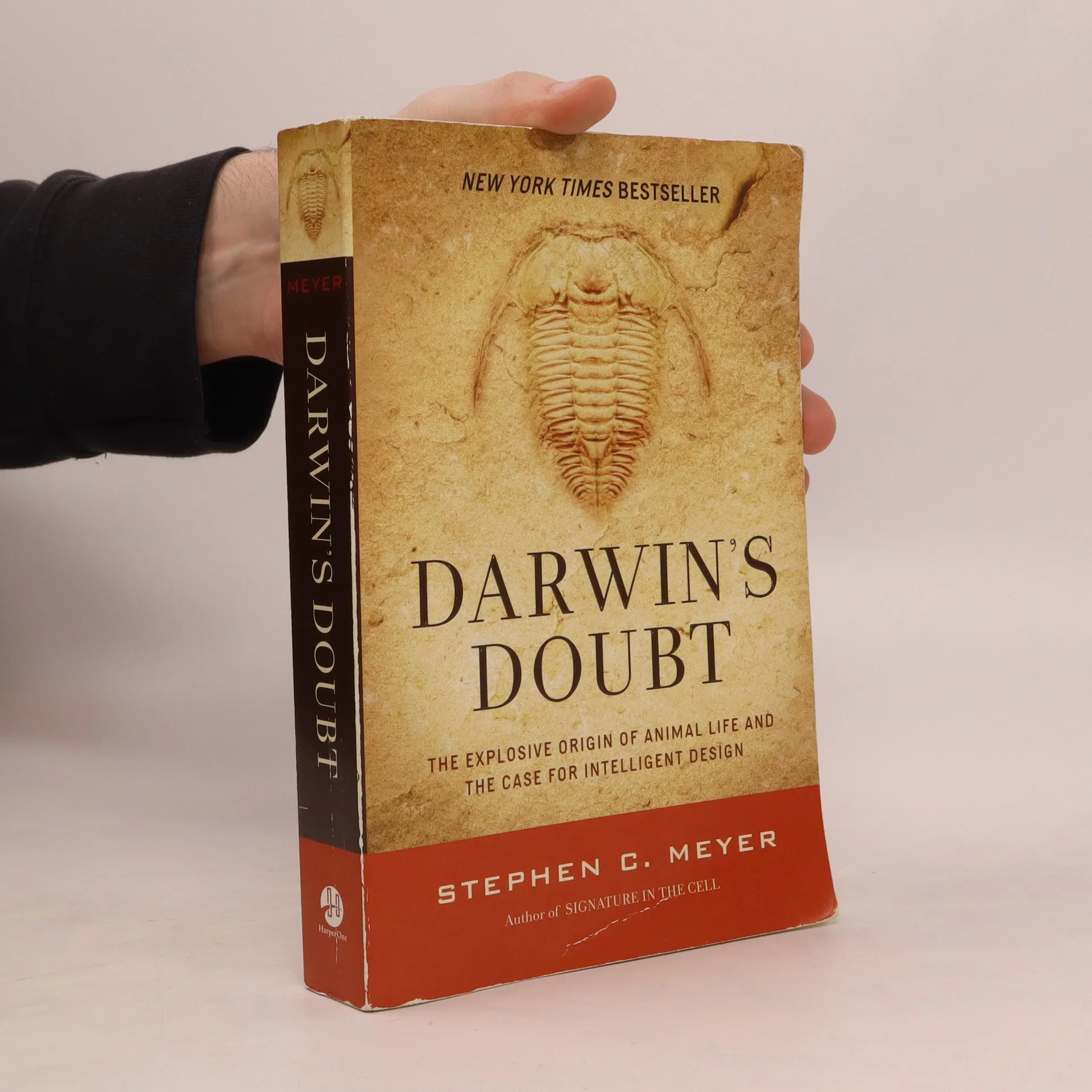
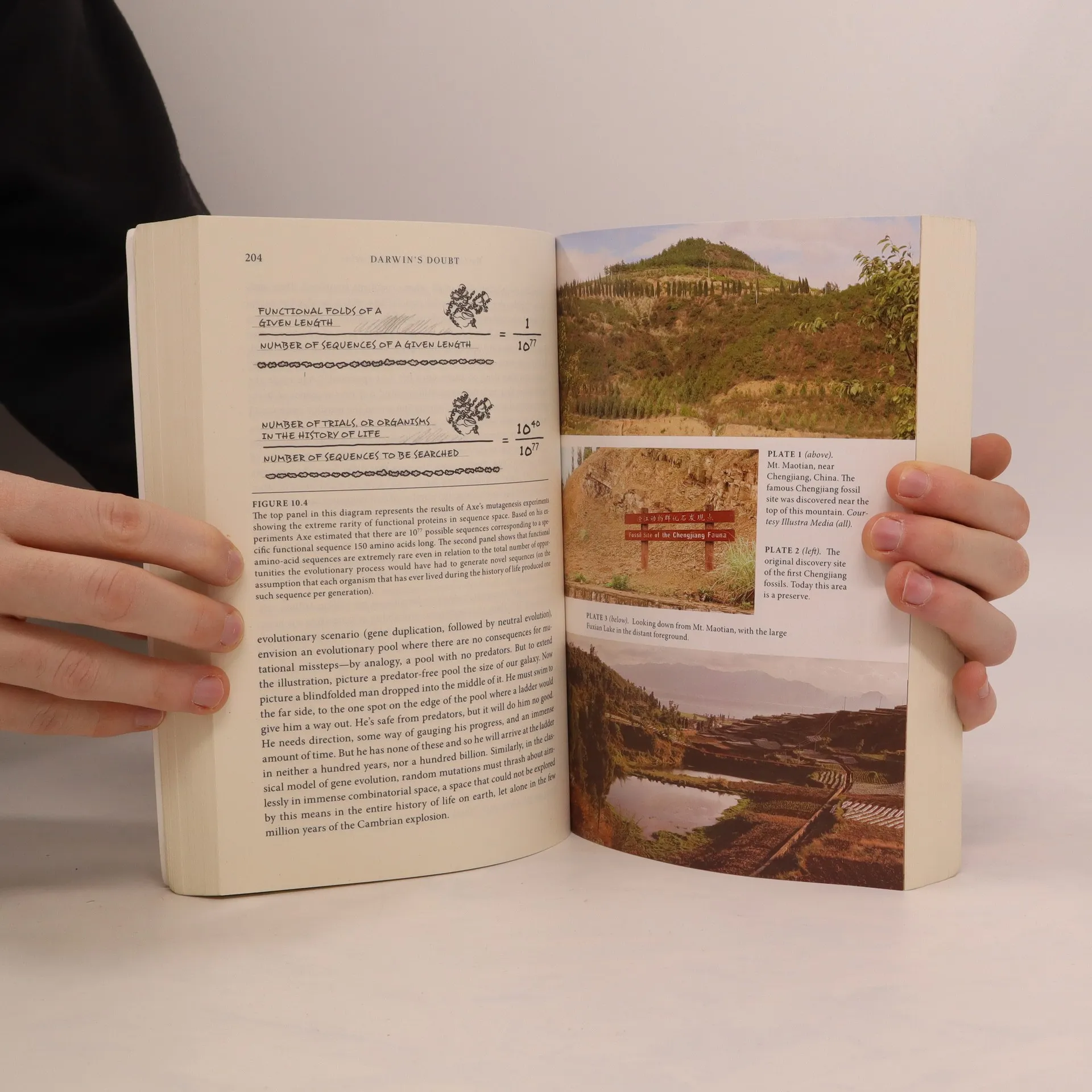
When Charles Darwin finished The Origin of Species, he thought that he had explained every clue, but one. Though his theory could explain many facts, Darwin knew that there was a significant event in the history of life that his theory did not explain. During this event, the “Cambrian explosion,” many animals suddenly appeared in the fossil record without apparent ancestors in earlier layers of rock. In Darwin’s Doubt, Stephen C. Meyer tells the story of the mystery surrounding this explosion of animal life—a mystery that has intensified, not only because the expected ancestors of these animals have not been found, but because scientists have learned more about what it takes to construct an animal. During the last half century, biologists have come to appreciate the central importance of biological information—stored in DNA and elsewhere in cells—to building animal forms. Expanding on the compelling case he presented in his last book, Signature in the Cell, Meyer argues that the origin of this information, as well as other mysterious features of the Cambrian event, are best explained by intelligent design, rather than purely undirected evolutionary processes.
Zakup książki
Darwin's Doubt, Stephen C. Meyer
- Język

- Rok wydania
- 2014
- Oprawa
- (miękka)
Metody płatności
Brakuje nam tutaj Twojej recenzji.
- Tytuł
- Darwin's Doubt
- Język
- angielski
- Autorzy
- Stephen C. Meyer
- Wydawca
- HarperOne
- Rok wydania
- 2014
- Oprawa
- miękka
- Liczba stron
- 560
- ISBN10
- 0062071483
- ISBN13
- 9780062071484
- Seria
- Kategorie
- Ocena
- 4,3 z 5
- Opis
- When Charles Darwin finished The Origin of Species, he thought that he had explained every clue, but one. Though his theory could explain many facts, Darwin knew that there was a significant event in the history of life that his theory did not explain. During this event, the “Cambrian explosion,” many animals suddenly appeared in the fossil record without apparent ancestors in earlier layers of rock. In Darwin’s Doubt, Stephen C. Meyer tells the story of the mystery surrounding this explosion of animal life—a mystery that has intensified, not only because the expected ancestors of these animals have not been found, but because scientists have learned more about what it takes to construct an animal. During the last half century, biologists have come to appreciate the central importance of biological information—stored in DNA and elsewhere in cells—to building animal forms. Expanding on the compelling case he presented in his last book, Signature in the Cell, Meyer argues that the origin of this information, as well as other mysterious features of the Cambrian event, are best explained by intelligent design, rather than purely undirected evolutionary processes.