



Więcej o książce
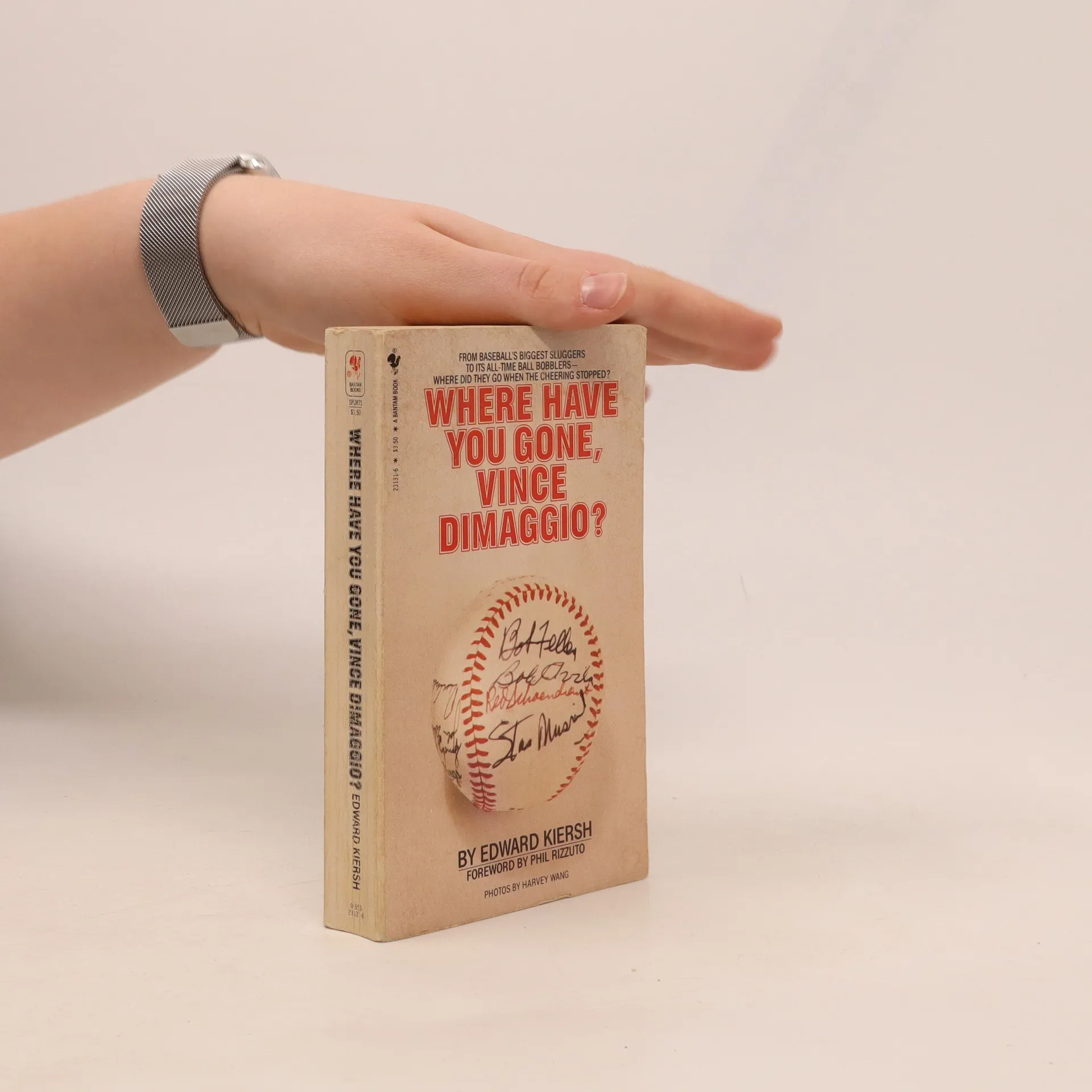
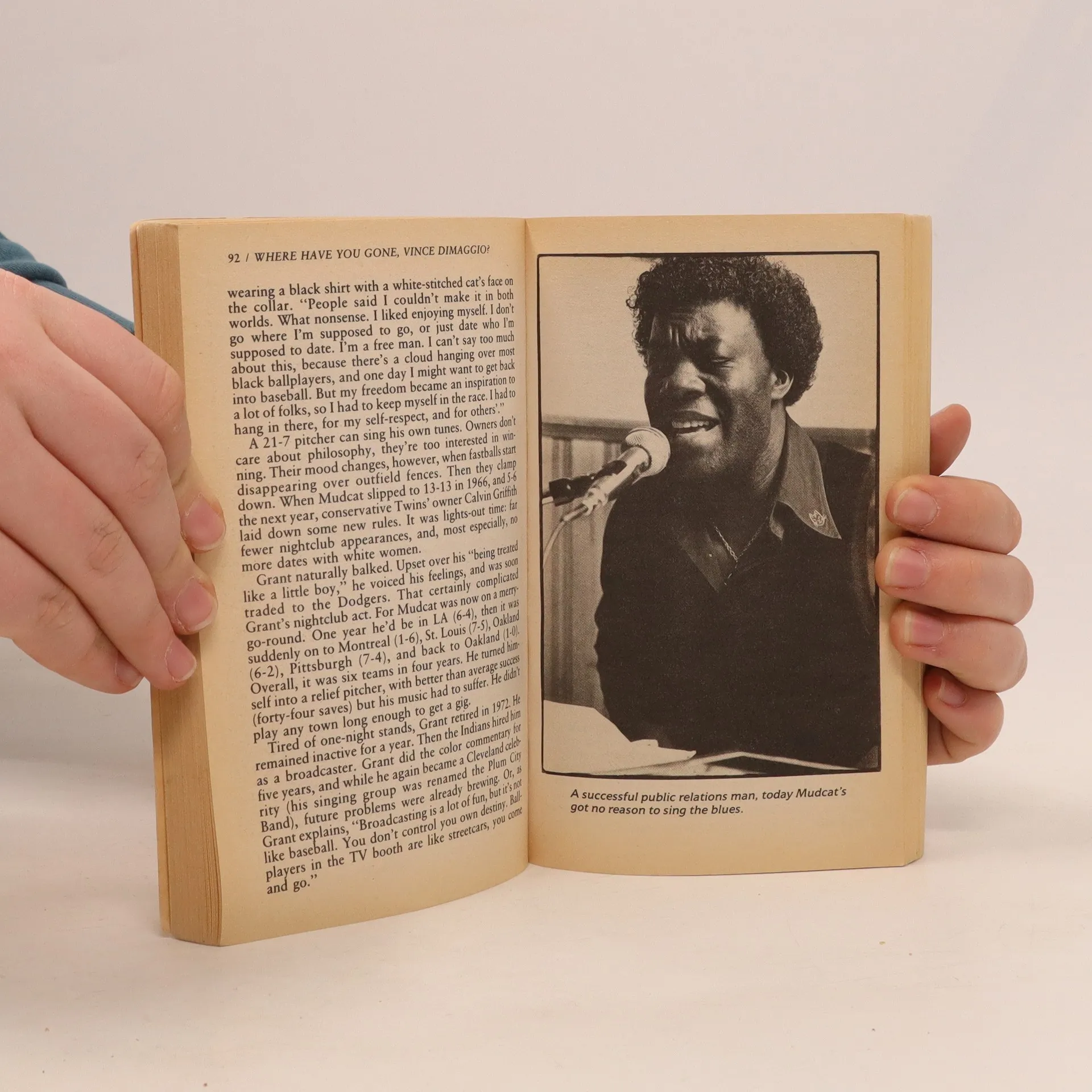
Author Edward Kiersh offers vignettes of over 50 former big leaguers in this remarkable look at both the game and life after baseball. Some of these ex-players were recent baseball retirees; others had left the game decades earlier. The assembled players range from top stars (Warren Spahn, Harmon Killebrew, Willie McCovey) to established players (Ernie Broglio, Leon Wagner), to marginal performers like Hector Lopez and Pumpsie Green. The author succeeds in getting the players to really open up with details of both their baseball careers and current lives. Nearly all left the game before the big salaries arrived, and thus needed to earn a living in their life-after-baseball. Some made a smooth transition, but others faced challenges ranging from unemployment, to alcoholism, to financial troubles. Bernie Carbo opened a hair salon, John Blanchard overcame drinking problems to work in sales, and Dean Chance was happy to have a job with a traveling carnival. As for the oldest DiMaggio brother, he was happily retired and studying his bible - sadly, he passed away at 74 in 1986, not long after this book arrived.
Zakup książki
Where Have You Gone, Vince Dimaggio?, Edward Kiersh
- Język

- Rok wydania
- 1983
- Oprawa
- (miękka)
Metody płatności
Brakuje nam tutaj Twojej recenzji.
- Tytuł
- Where Have You Gone, Vince Dimaggio?
- Język
- angielski
- Autorzy
- Edward Kiersh
- Rok wydania
- 1983
- Oprawa
- miękka
- Liczba stron
- 332
- ISBN10
- 0553231316
- ISBN13
- 9780553231311
- Seria
- Kategorie
- Ocena
- 3,85 z 5
- Opis
- Author Edward Kiersh offers vignettes of over 50 former big leaguers in this remarkable look at both the game and life after baseball. Some of these ex-players were recent baseball retirees; others had left the game decades earlier. The assembled players range from top stars (Warren Spahn, Harmon Killebrew, Willie McCovey) to established players (Ernie Broglio, Leon Wagner), to marginal performers like Hector Lopez and Pumpsie Green. The author succeeds in getting the players to really open up with details of both their baseball careers and current lives. Nearly all left the game before the big salaries arrived, and thus needed to earn a living in their life-after-baseball. Some made a smooth transition, but others faced challenges ranging from unemployment, to alcoholism, to financial troubles. Bernie Carbo opened a hair salon, John Blanchard overcame drinking problems to work in sales, and Dean Chance was happy to have a job with a traveling carnival. As for the oldest DiMaggio brother, he was happily retired and studying his bible - sadly, he passed away at 74 in 1986, not long after this book arrived.