

Więcej o książce
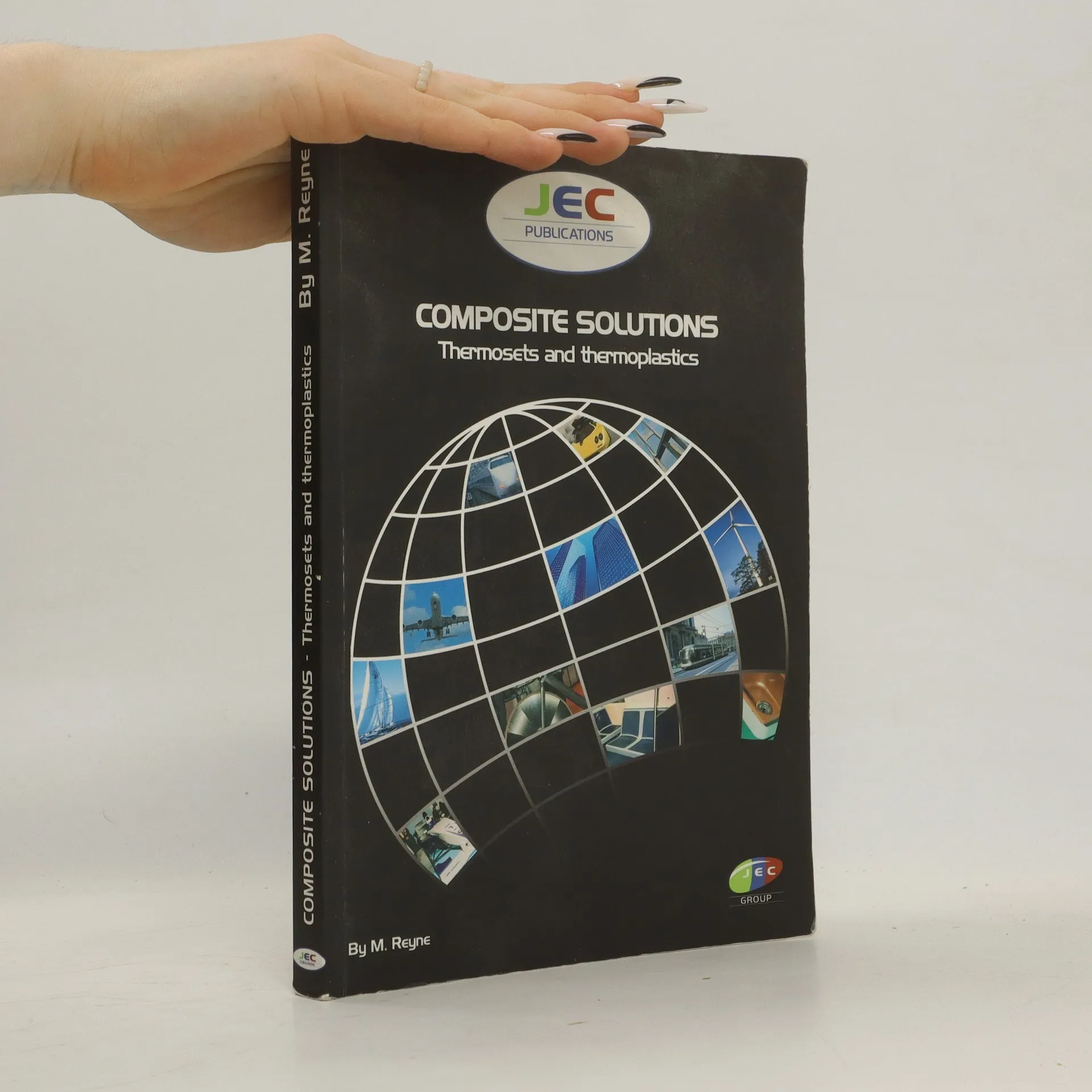
This richly illustrated book is designed to be a didactic work. Around 300 diagrams and pictures make the text immediately understood to engineers, technicians, and designers. The reader will find an exhaustive state of the art on thermosetting and short-fibre-reinforced thermoplastic composites. Moreover the book provides a thorough analysis of thermoplastic composites reinforced with long or continuous fibres, which have developed rapidly since 2000 and are edging out thermosetting materials somewhat. The book also gives an overview of commonly used or more recent reinforcements, polymers, resins and, especially, prepreg semi-finished products. Its strong point is a complete analysis of about fifty technologies that have been or are being used in the business. It is meant to be pragmatic, to facilitate choice for decision-makers such as design/engineering departments and current or potential users. After all, these materials are of interest in a wide range of industries: automotive, railway, marine, electricity/electronics, building & construction, chemicals and textiles, sports and leisure, and more.
Zakup książki
Composite Solutions: Thermosets and Thermoplastics, Maurice Reyne
- Język

- Rok wydania
- 2006
- Oprawa
- (miękka)
Metody płatności
Nikt jeszcze nie ocenił.
- Tytuł
- Composite Solutions: Thermosets and Thermoplastics
- Język
- angielski
- Autorzy
- Maurice Reyne
- Wydawca
- JEC
- Rok wydania
- 2006
- Oprawa
- miękka
- Liczba stron
- 217
- ISBN10
- 2952627606
- ISBN13
- 9782952627603
- Seria
- Opis
- This richly illustrated book is designed to be a didactic work. Around 300 diagrams and pictures make the text immediately understood to engineers, technicians, and designers. The reader will find an exhaustive state of the art on thermosetting and short-fibre-reinforced thermoplastic composites. Moreover the book provides a thorough analysis of thermoplastic composites reinforced with long or continuous fibres, which have developed rapidly since 2000 and are edging out thermosetting materials somewhat. The book also gives an overview of commonly used or more recent reinforcements, polymers, resins and, especially, prepreg semi-finished products. Its strong point is a complete analysis of about fifty technologies that have been or are being used in the business. It is meant to be pragmatic, to facilitate choice for decision-makers such as design/engineering departments and current or potential users. After all, these materials are of interest in a wide range of industries: automotive, railway, marine, electricity/electronics, building & construction, chemicals and textiles, sports and leisure, and more.