


Więcej o książce
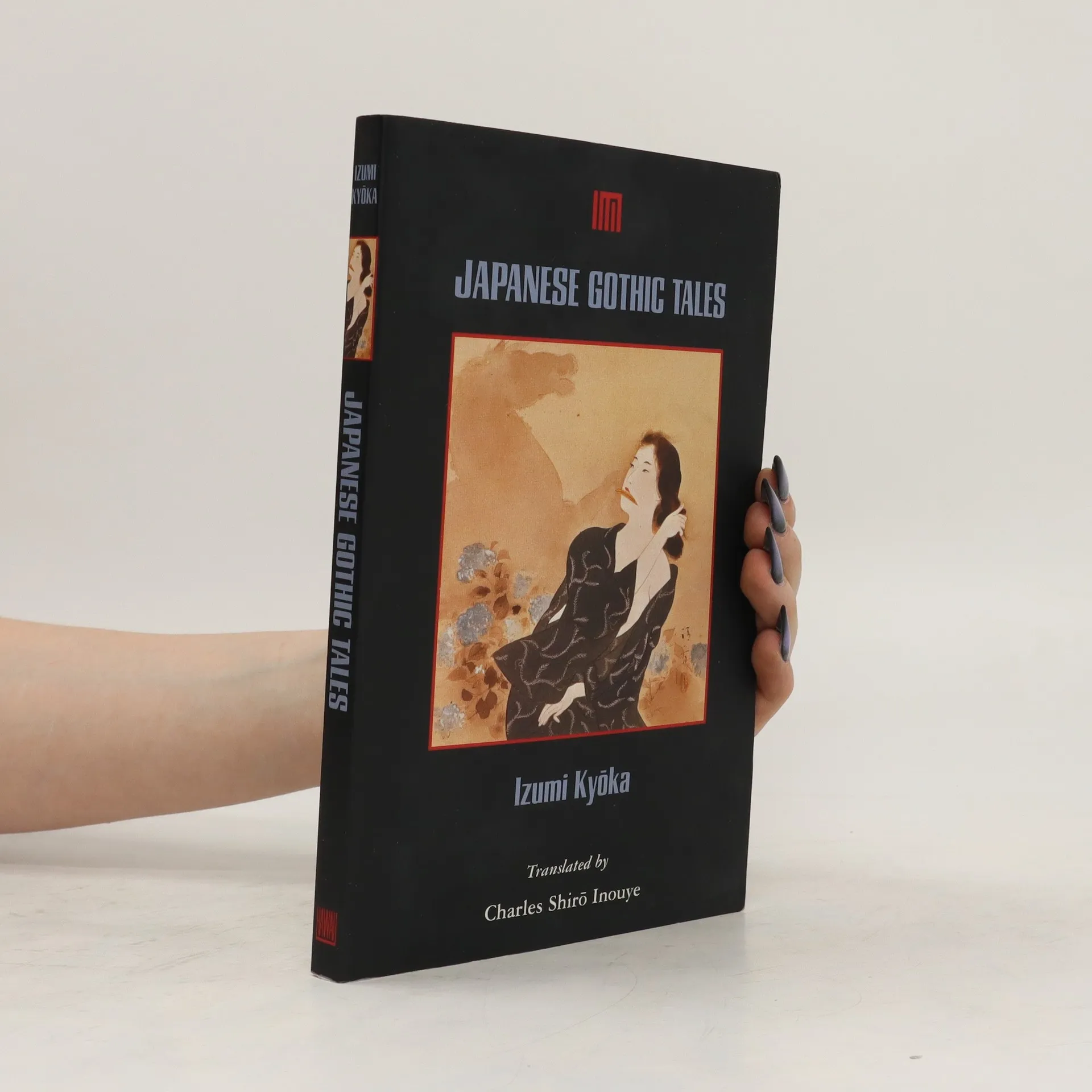
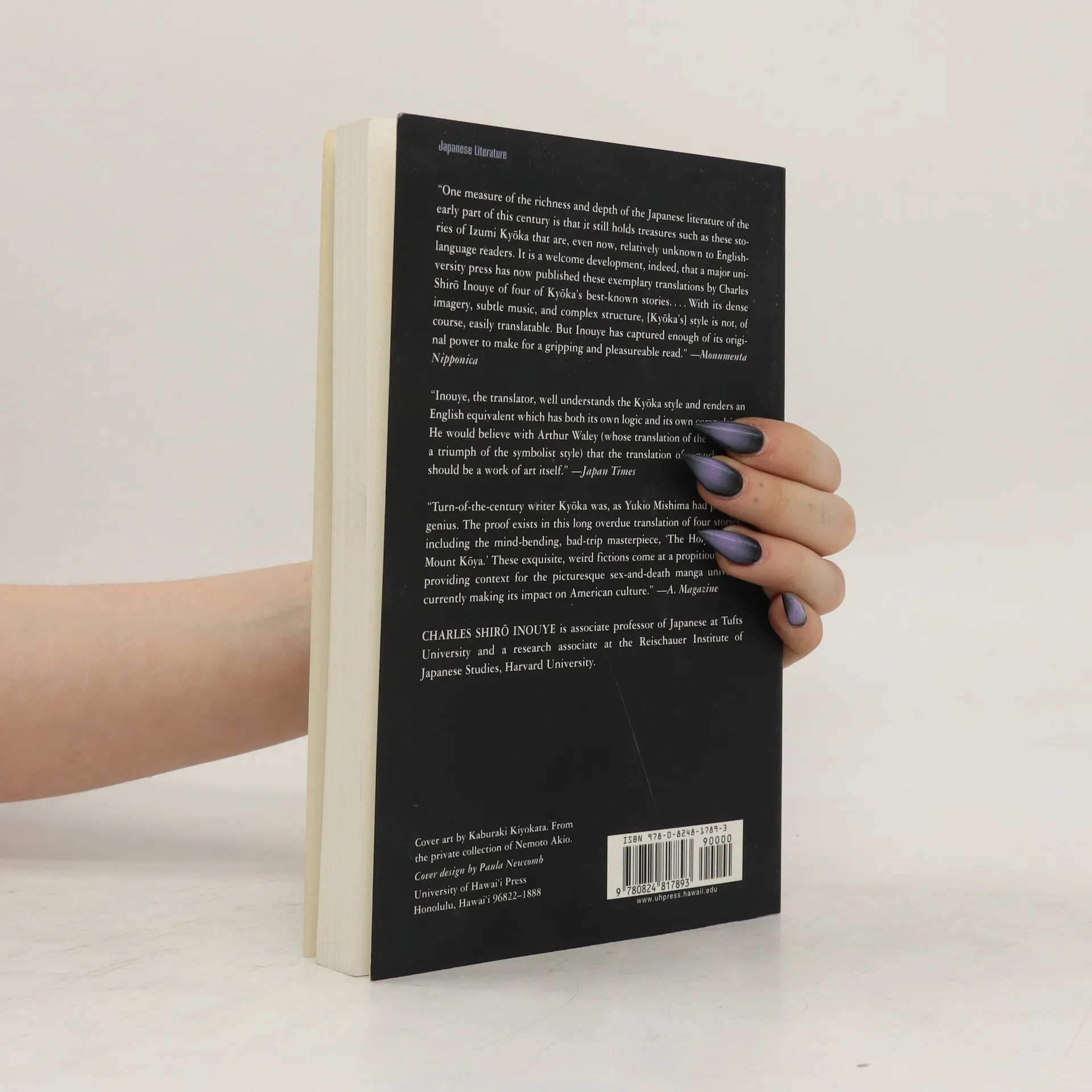
Resisting the various forms of realism popular during the Meiji "enlightenment," Izumi Kyoka (1873-1939) was among the most popular writers who continued to work in the old-fashioned genres of fantasy, mystery, and romance. Gothic Tales makes available for the first time a collection of stories by this highly influential writer, whose decadent romanticism led him to envision an idiosyncratic world--a fictive purgatory --precious and bizarre though always genuine despite its melodramatic formality. The four stories presented here are among Kyoka's best-known works. They are drawn from four stages of the author's development, from the "conceptual novels" of 1895 to the fragmented romanticism of his mature work. In the way of introduction, Inouye presents a clear analysis of Kyoka's problematic stature as a "great gothic writer" and emphasizes the importance of Kyoka's work to the present reevaluation of literary history in general and modern Japanese literature in particular. The extensive notes that follow the translation serve as an intelligent guide for the reader, supplying details about each of the stories and how they fit into the pattern of mythic development that allowed Kyoka to deal with his fears in a way that sustained his life and, as Mishima Yukio put it, pushed the Japanese language to its highest potential.
Zakup książki
Japanese Gothic Tales, Kjóka Izumi
- Język

- Rok wydania
- 1996
- Oprawa
- (miękka)
Metody płatności
Brakuje nam tutaj Twojej recenzji.
- Tytuł
- Japanese Gothic Tales
- Język
- angielski
- Autorzy
- Kjóka Izumi
- Wydawca
- University of Hawaii Press
- Rok wydania
- 1996
- Oprawa
- miękka
- ISBN10
- 0824817893
- ISBN13
- 9780824817893
- Seria
- Ocena
- 4 z 5
- Opis
- Resisting the various forms of realism popular during the Meiji "enlightenment," Izumi Kyoka (1873-1939) was among the most popular writers who continued to work in the old-fashioned genres of fantasy, mystery, and romance. Gothic Tales makes available for the first time a collection of stories by this highly influential writer, whose decadent romanticism led him to envision an idiosyncratic world--a fictive purgatory --precious and bizarre though always genuine despite its melodramatic formality. The four stories presented here are among Kyoka's best-known works. They are drawn from four stages of the author's development, from the "conceptual novels" of 1895 to the fragmented romanticism of his mature work. In the way of introduction, Inouye presents a clear analysis of Kyoka's problematic stature as a "great gothic writer" and emphasizes the importance of Kyoka's work to the present reevaluation of literary history in general and modern Japanese literature in particular. The extensive notes that follow the translation serve as an intelligent guide for the reader, supplying details about each of the stories and how they fit into the pattern of mythic development that allowed Kyoka to deal with his fears in a way that sustained his life and, as Mishima Yukio put it, pushed the Japanese language to its highest potential.