

Więcej o książce
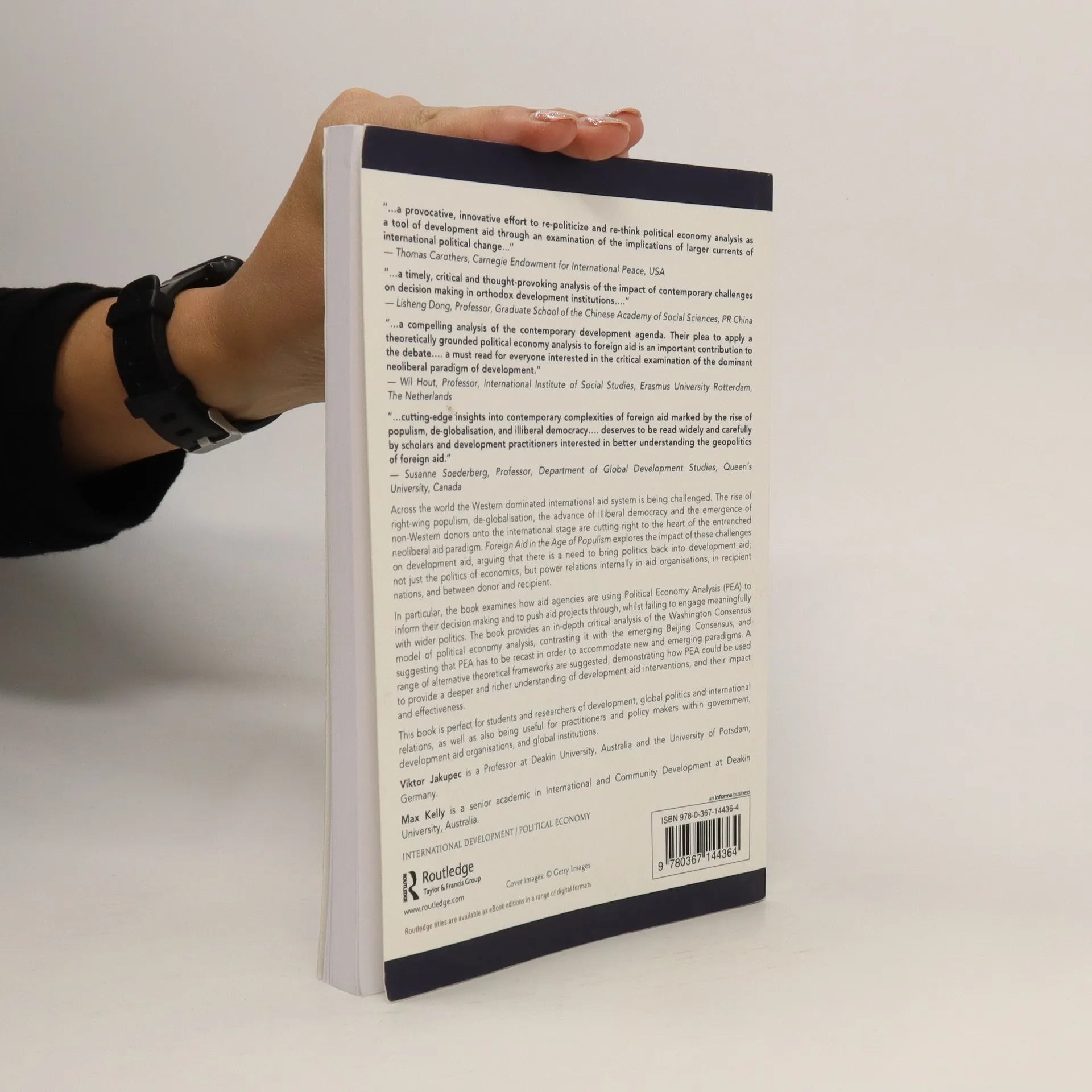
The Western-dominated international aid system is facing significant challenges from rising right-wing populism, de-globalisation, illiberal democracy, and the emergence of non-Western donors. These shifts are fundamentally questioning the entrenched neoliberal aid paradigm. The text explores the implications of these challenges on development aid, emphasizing the necessity of reintegrating politics into the aid discourse—not only in terms of economics but also regarding power dynamics within aid organizations, recipient nations, and the donor-recipient relationship. It critically assesses how aid agencies employ Political Economy Analysis (PEA) to guide decision-making and project implementation, while often neglecting broader political contexts. The analysis contrasts the Washington Consensus model of PEA with the emerging Beijing Consensus, advocating for a rethinking of PEA to incorporate new paradigms. Various alternative theoretical frameworks are proposed to enhance understanding of development aid interventions and their effectiveness. This work is essential for students and researchers in development, global politics, and international relations, as well as for practitioners and policymakers in government, development aid organizations, and global institutions.
Zakup książki
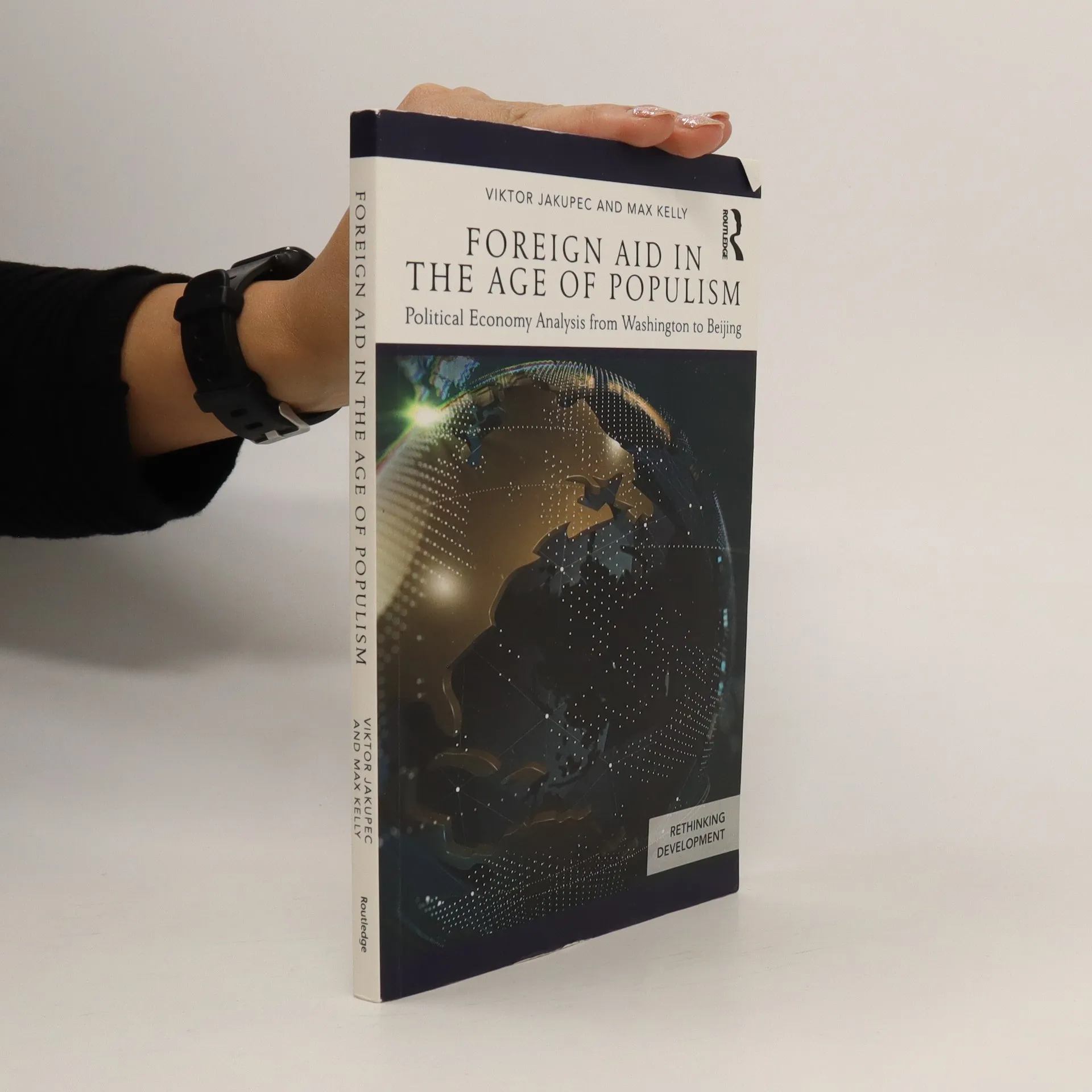
Foreign Aid in the Age of Populism, Viktor Jakupec, Max Kelly
- Język

- Rok wydania
- 2019
- Oprawa
- (miękka)
Metody płatności
Nikt jeszcze nie ocenił.
- Tytuł
- Foreign Aid in the Age of Populism
- Język
- angielski
- Autorzy
- Viktor Jakupec, Max Kelly
- Wydawca
- Rethinking Development
- Rok wydania
- 2019
- Oprawa
- miękka
- ISBN10
- 0367144360
- ISBN13
- 9780367144364
- Seria
- Opis
- The Western-dominated international aid system is facing significant challenges from rising right-wing populism, de-globalisation, illiberal democracy, and the emergence of non-Western donors. These shifts are fundamentally questioning the entrenched neoliberal aid paradigm. The text explores the implications of these challenges on development aid, emphasizing the necessity of reintegrating politics into the aid discourse—not only in terms of economics but also regarding power dynamics within aid organizations, recipient nations, and the donor-recipient relationship. It critically assesses how aid agencies employ Political Economy Analysis (PEA) to guide decision-making and project implementation, while often neglecting broader political contexts. The analysis contrasts the Washington Consensus model of PEA with the emerging Beijing Consensus, advocating for a rethinking of PEA to incorporate new paradigms. Various alternative theoretical frameworks are proposed to enhance understanding of development aid interventions and their effectiveness. This work is essential for students and researchers in development, global politics, and international relations, as well as for practitioners and policymakers in government, development aid organizations, and global institutions.