




Więcej o książce
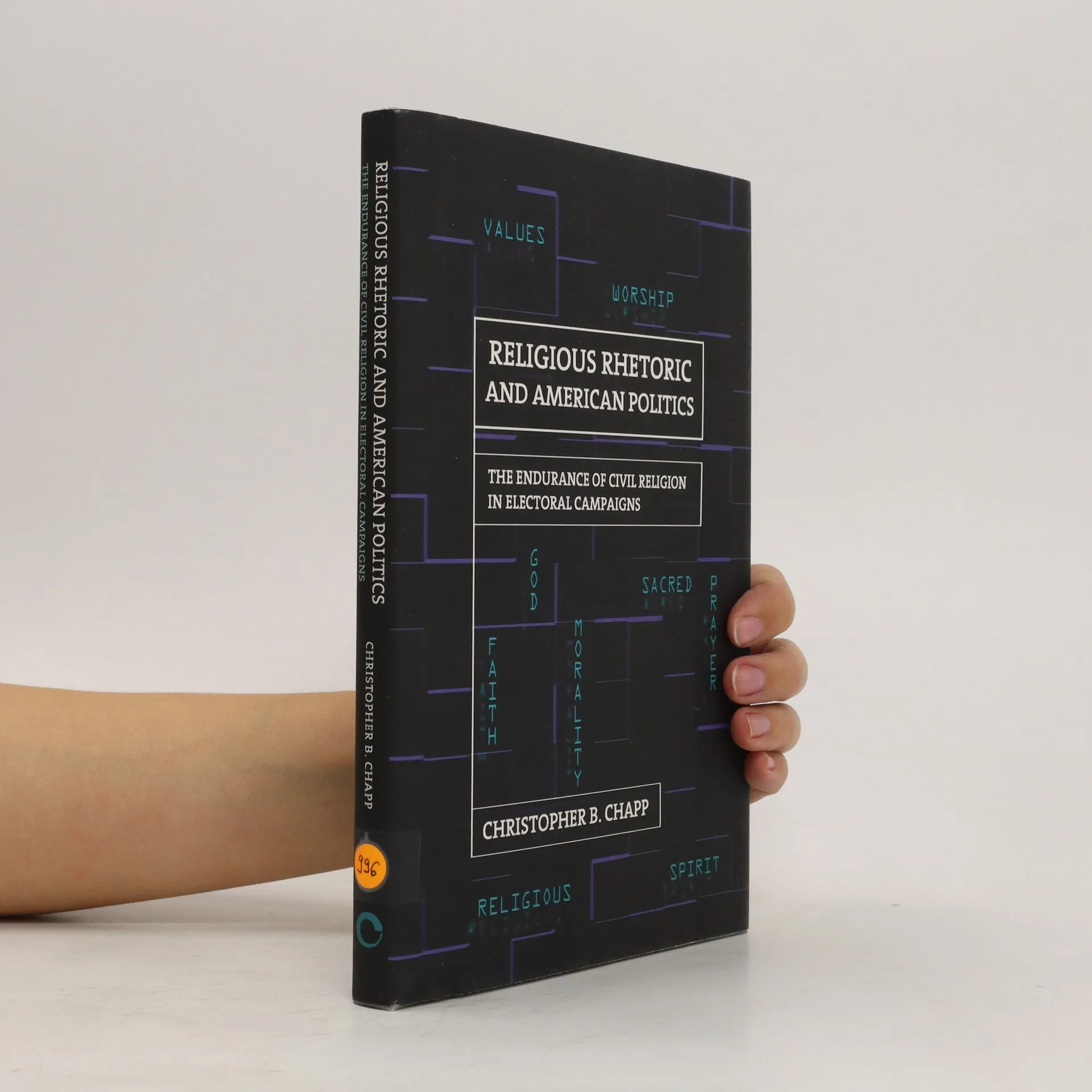
From Reagan's portrayal of America as "a city on a hill" to Obama's spiritual language in social policy, religious rhetoric plays a crucial role in political communication. Despite the Constitution's prohibition of religious tests for public office, many voters base their choices on candidates' religious beliefs and values. Christopher B. Chapp illustrates that Americans often make political decisions through a lens of "civil religion," rather than as cultural warriors. He investigates the impact of religious rhetoric in elections, focusing on how political elites employ religious language and how voters react to it. By analyzing political speeches and utilizing survey data, historical evidence, and controlled experiments, Chapp evaluates citizens' responses to religious appeals. He identifies two key characteristics of effective religious rhetoric: emotive cues and collective identity invocations, which significantly influence presidential election outcomes and political representation dynamics. Contrary to the belief that issues like abortion solely target specific religious groups, Chapp argues that religious rhetoric is broader and less issue-specific. Ultimately, he concludes that identification with an American civic religion continues to be a powerful force in elections, despite its potential for division.
Zakup książki
Religious Rhetoric and American Politics, Christopher B. Chapp
- Język

- Rok wydania
- 2012
- Oprawa
- (miękka)
Metody płatności
Brakuje nam tutaj Twojej recenzji.
- Tytuł
- Religious Rhetoric and American Politics
- Język
- angielski
- Autorzy
- Christopher B. Chapp
- Wydawca
- Cornell University Press
- Rok wydania
- 2012
- Oprawa
- miękka
- Liczba stron
- 173
- ISBN10
- 0801451264
- ISBN13
- 9780801451263
- Seria
- Tagi
- Ocena
- 3,75 z 5
- Opis
- From Reagan's portrayal of America as "a city on a hill" to Obama's spiritual language in social policy, religious rhetoric plays a crucial role in political communication. Despite the Constitution's prohibition of religious tests for public office, many voters base their choices on candidates' religious beliefs and values. Christopher B. Chapp illustrates that Americans often make political decisions through a lens of "civil religion," rather than as cultural warriors. He investigates the impact of religious rhetoric in elections, focusing on how political elites employ religious language and how voters react to it. By analyzing political speeches and utilizing survey data, historical evidence, and controlled experiments, Chapp evaluates citizens' responses to religious appeals. He identifies two key characteristics of effective religious rhetoric: emotive cues and collective identity invocations, which significantly influence presidential election outcomes and political representation dynamics. Contrary to the belief that issues like abortion solely target specific religious groups, Chapp argues that religious rhetoric is broader and less issue-specific. Ultimately, he concludes that identification with an American civic religion continues to be a powerful force in elections, despite its potential for division.