

Parametry
Więcej o książce
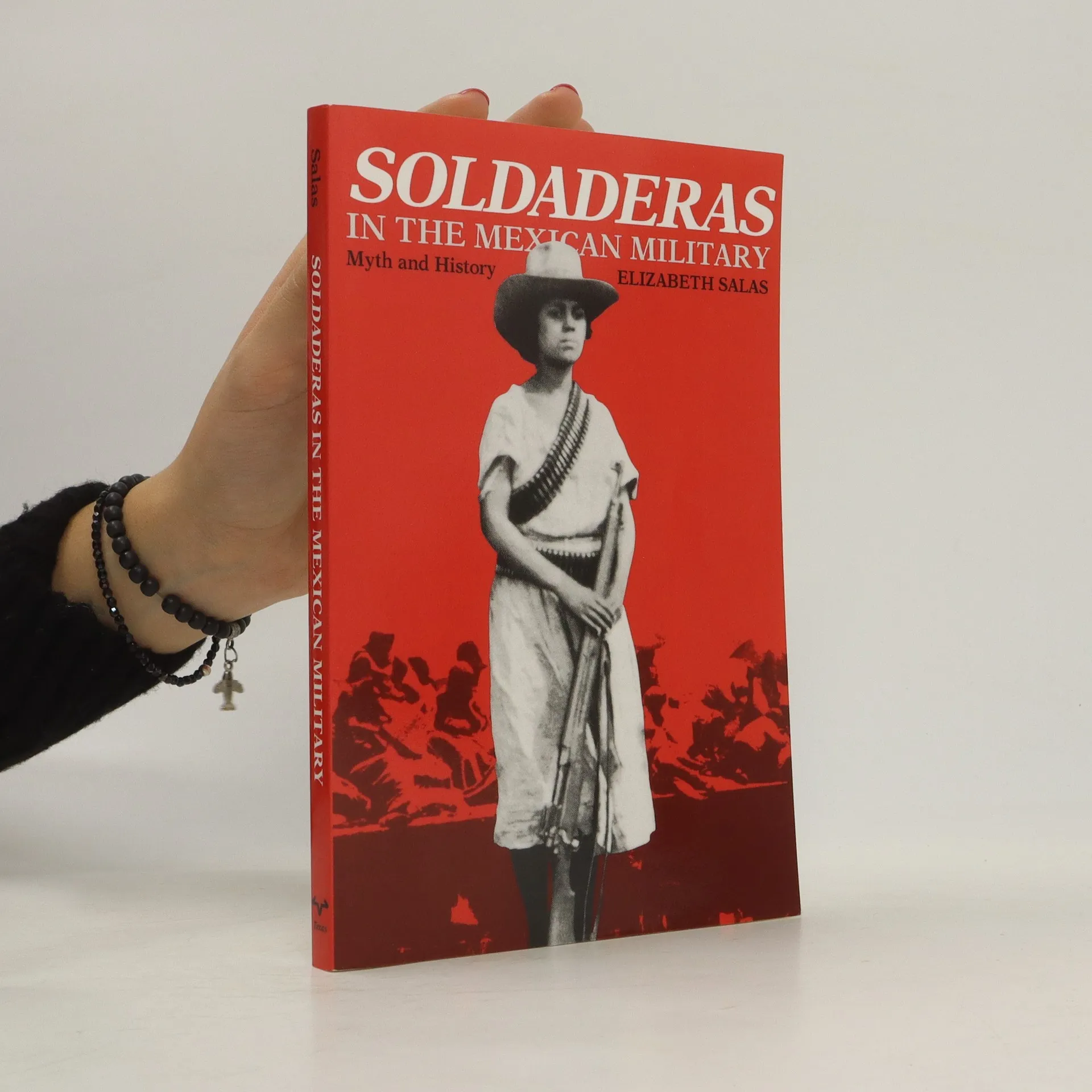
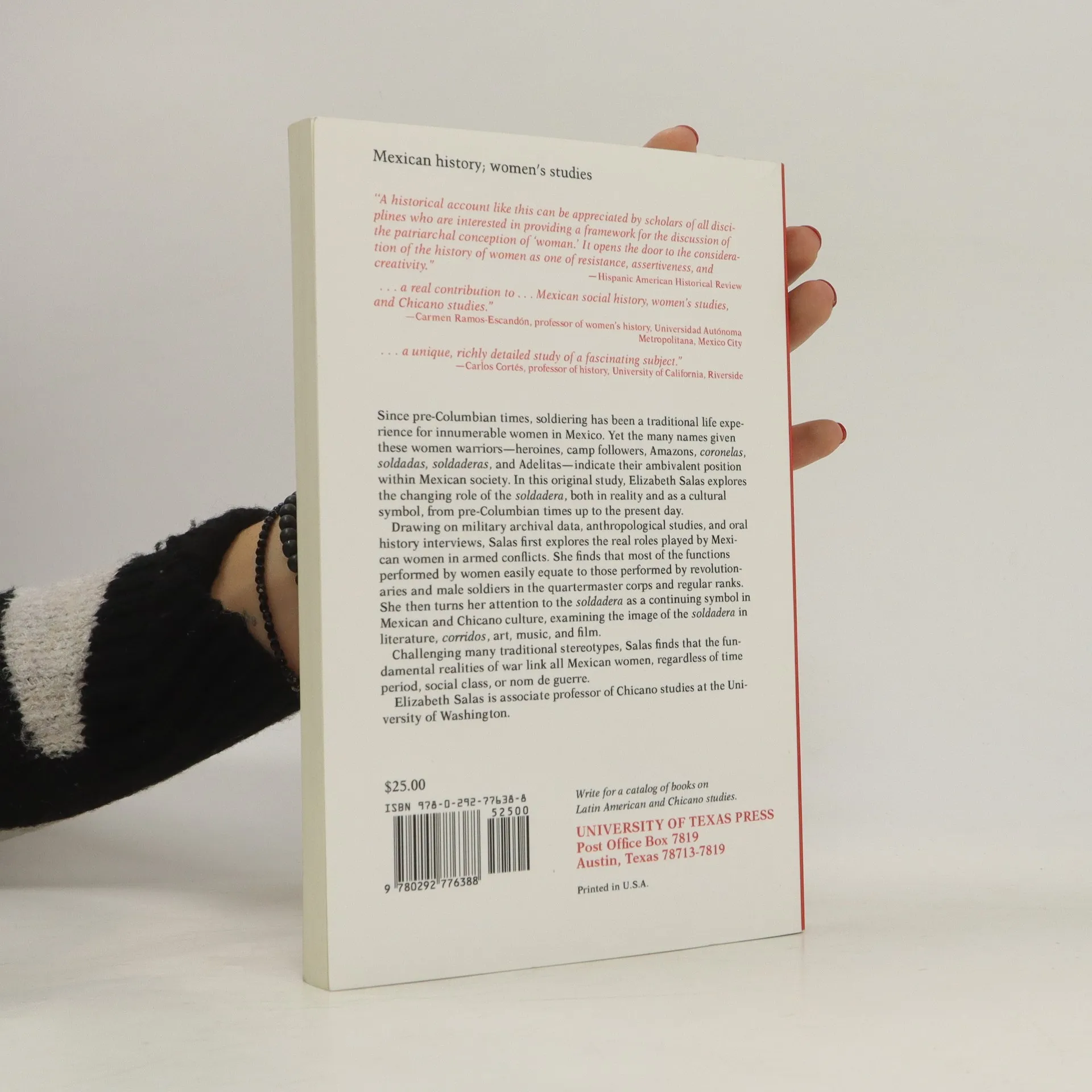
Since pre-Columbian times, soldiering has been a traditional life experience for innumerable women in Mexico. Yet the many names given these women warriors—heroines, camp followers, Amazons, coronelas, soldadas, soldaderas, and Adelitas—indicate their ambivalent position within Mexican society. In this original study, Elizabeth Salas explores the changing role of the soldadera, both in reality and as a cultural symbol, from pre-Columbian times up to the present day. Drawing on military archival data, anthropological studies, and oral history interviews, Salas first explores the real roles played by Mexican women in armed conflicts. She finds that most of the functions performed by women easily equate to those performed by revolutionaries and male soldiers in the quartermaster corps and regular ranks. She then turns her attention to the soldadera as a continuing symbol in Mexican and Chicano culture, examining the image of the soldadera in literature, corridos, art, music, and film. Challenging many traditional stereotypes, Salas finds that the fundamental realities of war link all Mexican women, regardless of time period, social class, or nom de guerre.
Zakup książki
Soldaderas in the Mexican Military, Elizabeth Salas
- Język

- Rok wydania
- 1990
- Oprawa
- (miękka)
Metody płatności
Brakuje nam tutaj Twojej recenzji.
- Tytuł
- Soldaderas in the Mexican Military
- Język
- angielski
- Autorzy
- Elizabeth Salas
- Wydawca
- University of Texas Press
- Rok wydania
- 1990
- Oprawa
- miękka
- ISBN10
- 0292776381
- ISBN13
- 9780292776388
- Seria
- Ocena
- 3,85 z 5
- Opis
- Since pre-Columbian times, soldiering has been a traditional life experience for innumerable women in Mexico. Yet the many names given these women warriors—heroines, camp followers, Amazons, coronelas, soldadas, soldaderas, and Adelitas—indicate their ambivalent position within Mexican society. In this original study, Elizabeth Salas explores the changing role of the soldadera, both in reality and as a cultural symbol, from pre-Columbian times up to the present day. Drawing on military archival data, anthropological studies, and oral history interviews, Salas first explores the real roles played by Mexican women in armed conflicts. She finds that most of the functions performed by women easily equate to those performed by revolutionaries and male soldiers in the quartermaster corps and regular ranks. She then turns her attention to the soldadera as a continuing symbol in Mexican and Chicano culture, examining the image of the soldadera in literature, corridos, art, music, and film. Challenging many traditional stereotypes, Salas finds that the fundamental realities of war link all Mexican women, regardless of time period, social class, or nom de guerre.