

Więcej o książce
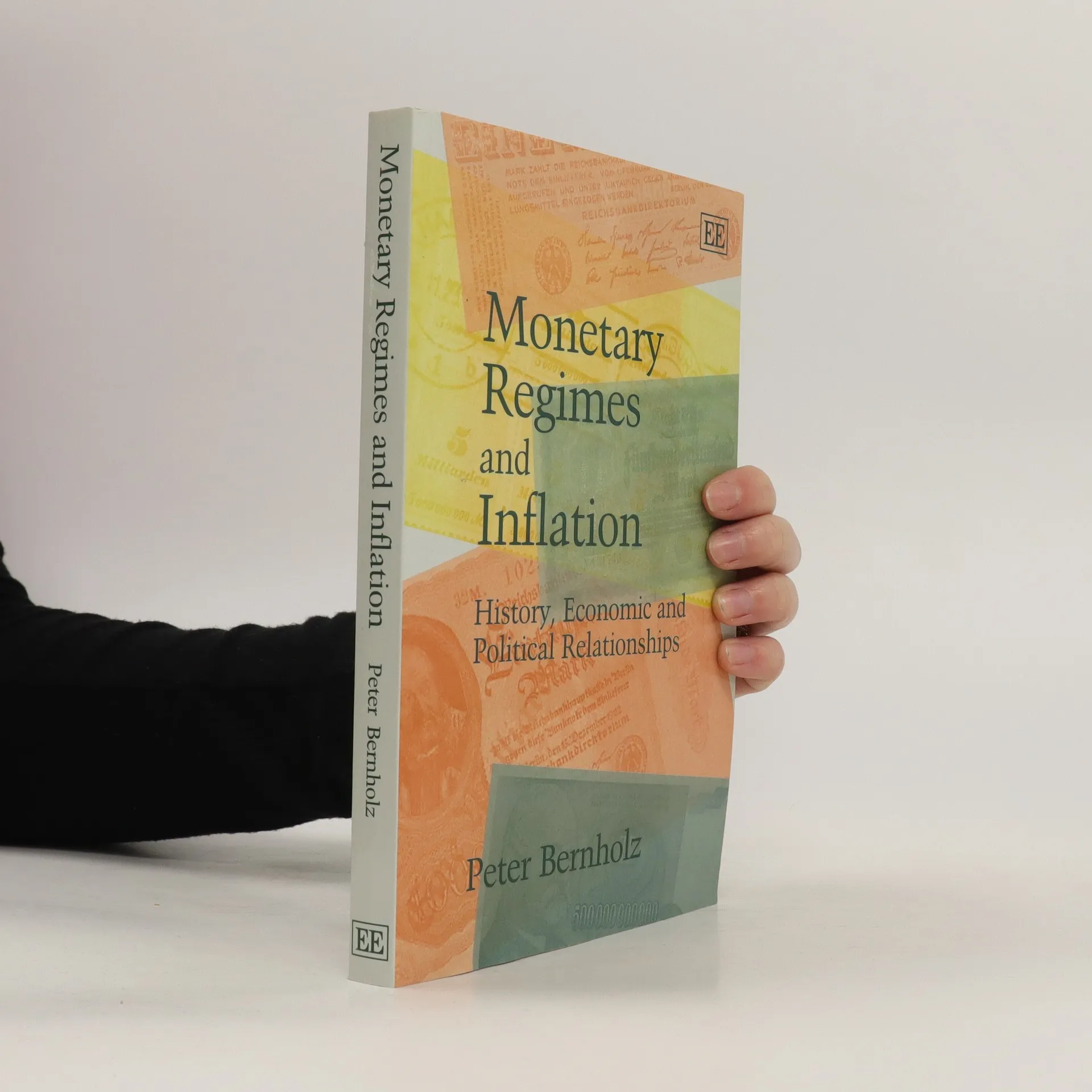
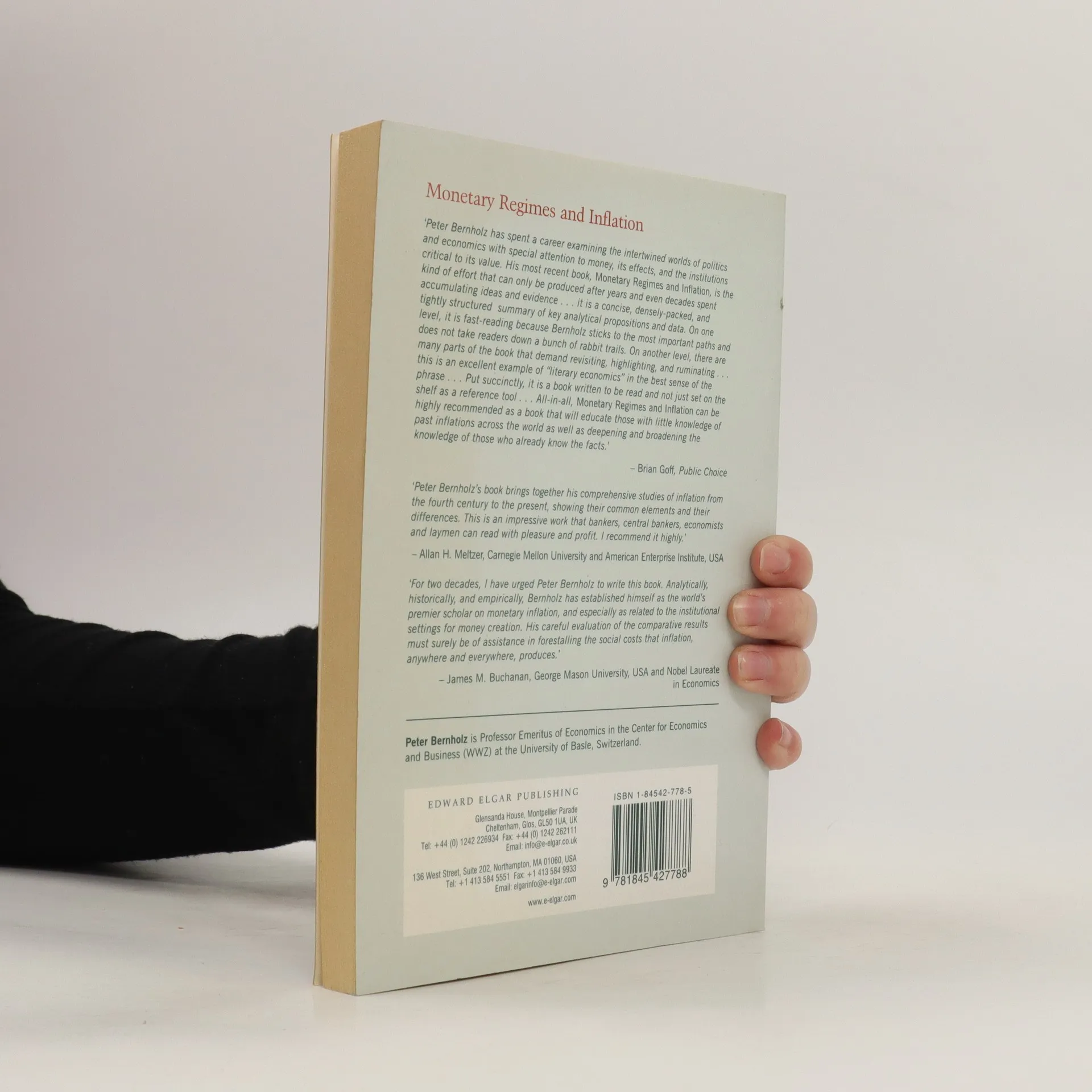
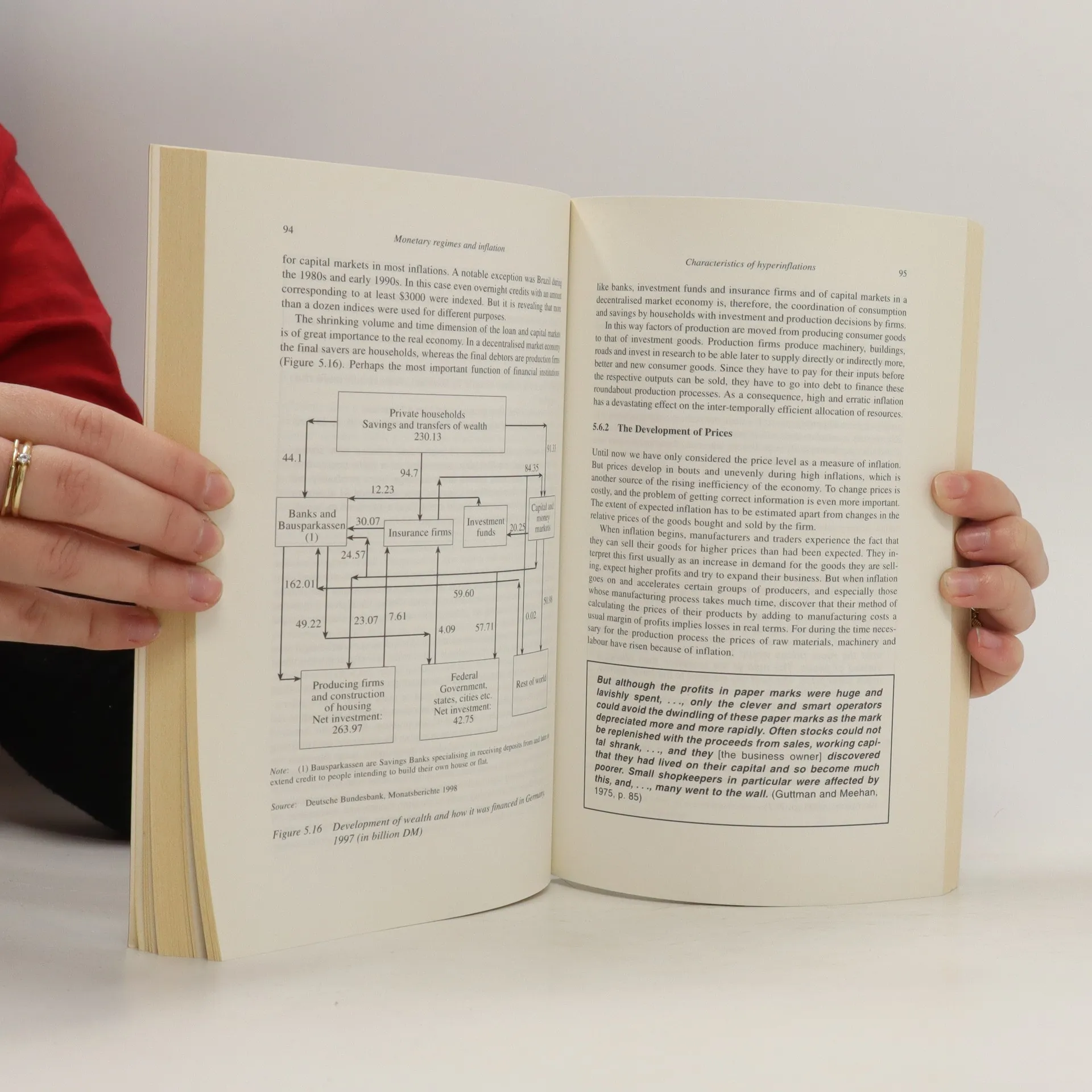
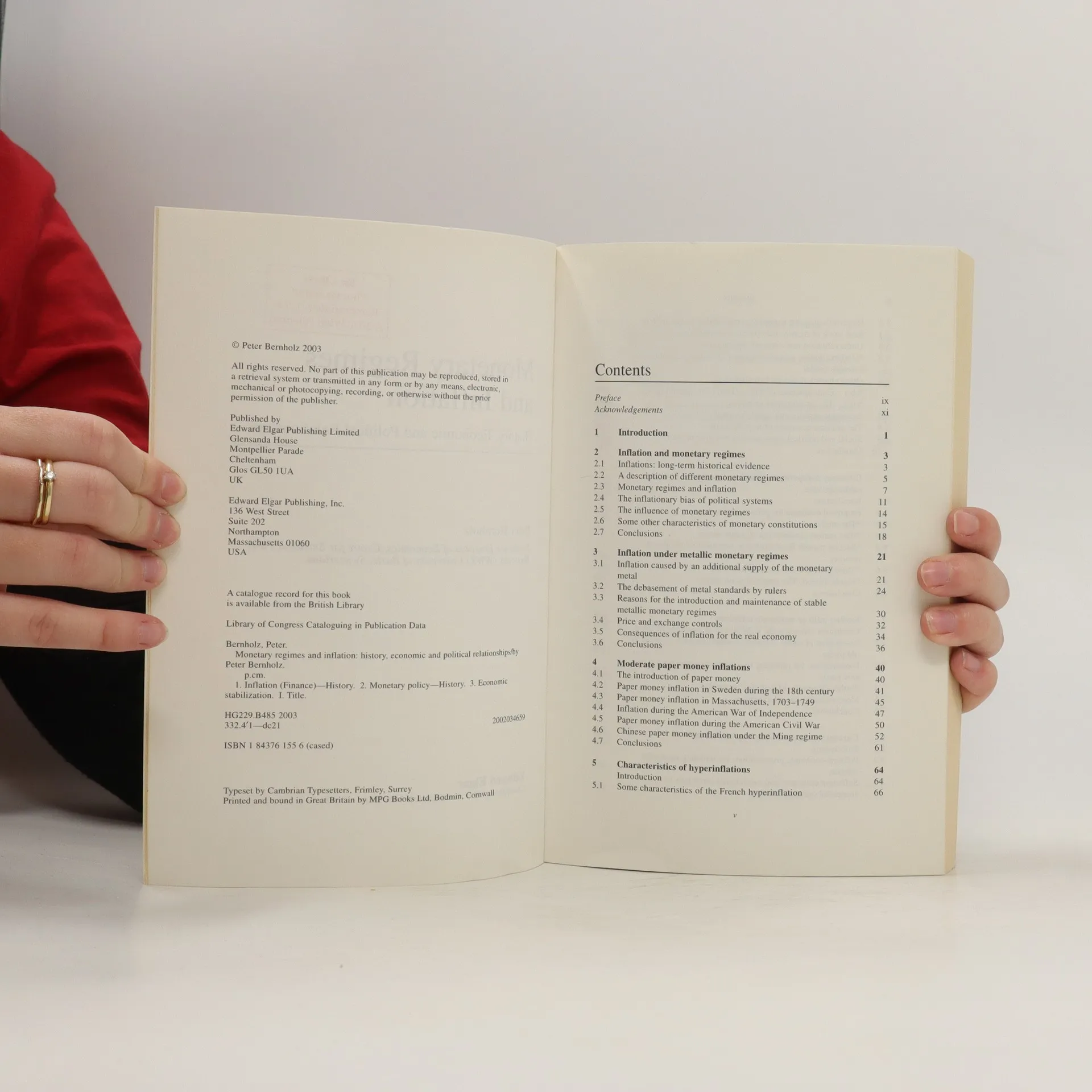
This book explores the characteristics of inflations, comparing historical cases from Roman times up to the modern day. High and moderate inflations caused by the inflationary bias of political systems and economic relationships - and the importance of different monetary regimes in containing them - are analysed. Peter Bernholz demonstrates that certain macroeconomic traits have been stable characteristics of inflations over the centuries, and illustrates their causes: the development of real stock of money, real exchange rate, real budget deficit and of currency substitution. He goes on to explain that metallic monetary regimes allow substantial inflations by debasement - 4th century Roman Empire experiencing the highest of them - but are dwarfed by the experience of hyperinflations. These occurred only under discretionary paper money regimes. To demonstrate this and their characteristics, all twenty-nine hyperinflations are studied.
Zakup książki
Monetary Regimes and Inflation, Peter Bernholz
- Język

- Rok wydania
- 2006
- Oprawa
- (miękka)
Metody płatności
Brakuje nam tutaj Twojej recenzji.
- Tytuł
- Monetary Regimes and Inflation
- Język
- angielski
- Autorzy
- Peter Bernholz
- Wydawca
- Edward Elgar
- Rok wydania
- 2006
- Oprawa
- miękka
- Liczba stron
- 224
- ISBN10
- 1845427785
- ISBN13
- 9781845427788
- Seria
- Kategorie
- Tagi
- Tematy historyczne, Biznes, Polityka, Finanse
- Ocena
- 4,1 z 5
- Opis
- This book explores the characteristics of inflations, comparing historical cases from Roman times up to the modern day. High and moderate inflations caused by the inflationary bias of political systems and economic relationships - and the importance of different monetary regimes in containing them - are analysed. Peter Bernholz demonstrates that certain macroeconomic traits have been stable characteristics of inflations over the centuries, and illustrates their causes: the development of real stock of money, real exchange rate, real budget deficit and of currency substitution. He goes on to explain that metallic monetary regimes allow substantial inflations by debasement - 4th century Roman Empire experiencing the highest of them - but are dwarfed by the experience of hyperinflations. These occurred only under discretionary paper money regimes. To demonstrate this and their characteristics, all twenty-nine hyperinflations are studied.