




Parametry
Więcej o książce
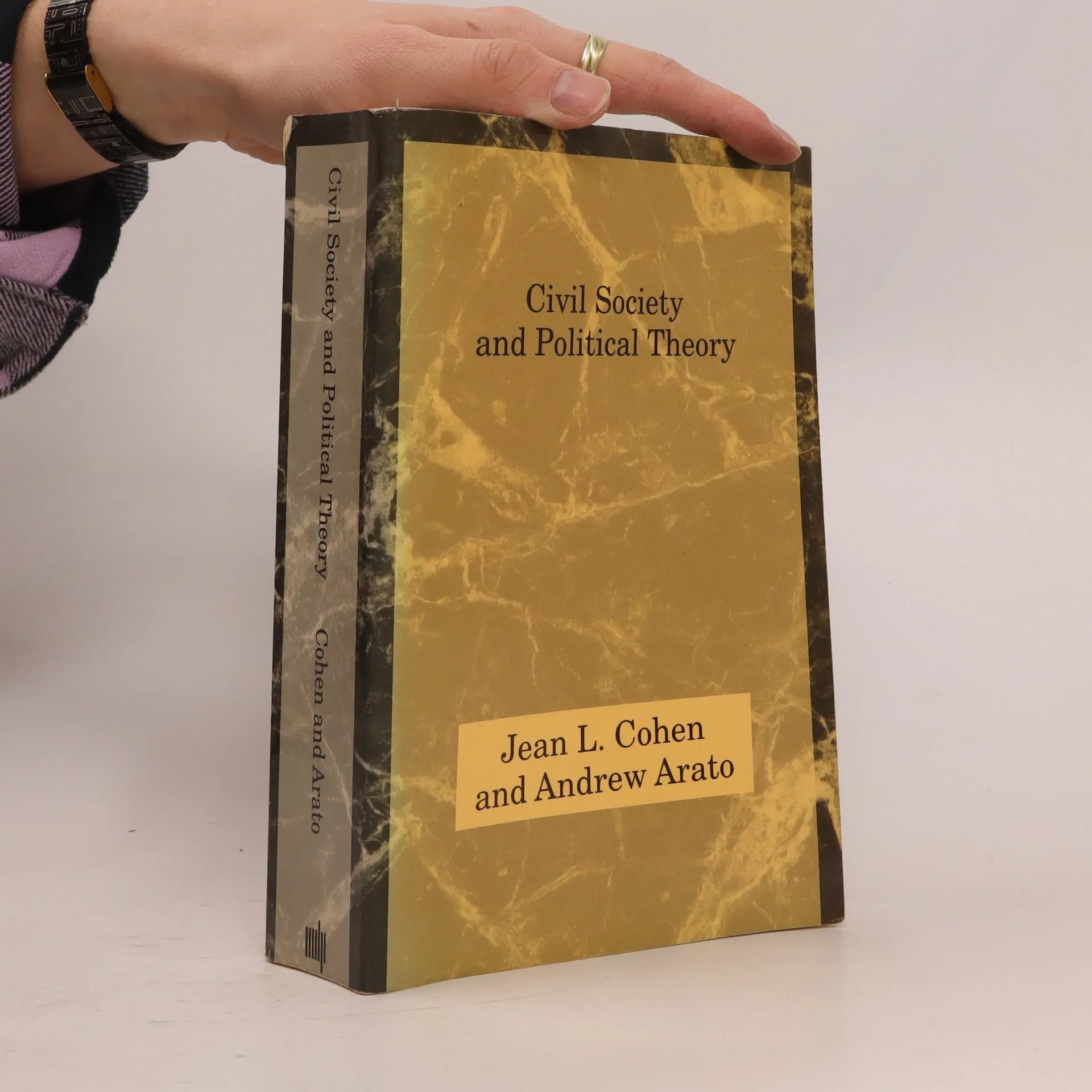
In this significant work of contemporary political theory, Jean Cohen and Andrew Arato explore the contested concept of civil society as a potential foundation for expanding democracy and rights in the West. While "civil society" has emerged as a term representing what totalitarian regimes suppress, its role in liberal democracies remains ambiguous. Some view it merely as a reflection of existing Western structures, lacking critical potential for addressing democratic injustices, while others dismiss it as outdated in the context of modern complexities. This analysis challenges both perspectives, asserting the modernity and normative relevance of civil society across various contemporary societies. The book is structured in three parts. The first part examines the resurgence of civil society discourse in Europe and Latin America, tracing its historical roots from Hegel's synthesis. The second part critiques the concept through the works of thinkers like Hannah Arendt, Carl Schmitt, and Michel Foucault. The final part reconstructs the concept, drawing on Habermas's discourse ethics, and connects theory to politics by addressing critiques and emphasizing the significance of social movements and civil disobedience.
Zakup książki
Civil Society and Political Theory, Jean Cohen, Andrew Arato
- Język

- Rok wydania
- 1994
- Oprawa
- (miękka)
Metody płatności
Nikt jeszcze nie ocenił.
- Tytuł
- Civil Society and Political Theory
- Język
- angielski
- Autorzy
- Jean Cohen, Andrew Arato
- Wydawca
- MIT Press
- Rok wydania
- 1994
- Oprawa
- miękka
- ISBN10
- 0262031779
- ISBN13
- 9780262031776
- Seria
- Tagi
- Teorie naukowe
- Opis
- In this significant work of contemporary political theory, Jean Cohen and Andrew Arato explore the contested concept of civil society as a potential foundation for expanding democracy and rights in the West. While "civil society" has emerged as a term representing what totalitarian regimes suppress, its role in liberal democracies remains ambiguous. Some view it merely as a reflection of existing Western structures, lacking critical potential for addressing democratic injustices, while others dismiss it as outdated in the context of modern complexities. This analysis challenges both perspectives, asserting the modernity and normative relevance of civil society across various contemporary societies. The book is structured in three parts. The first part examines the resurgence of civil society discourse in Europe and Latin America, tracing its historical roots from Hegel's synthesis. The second part critiques the concept through the works of thinkers like Hannah Arendt, Carl Schmitt, and Michel Foucault. The final part reconstructs the concept, drawing on Habermas's discourse ethics, and connects theory to politics by addressing critiques and emphasizing the significance of social movements and civil disobedience.