




Parametry
Więcej o książce
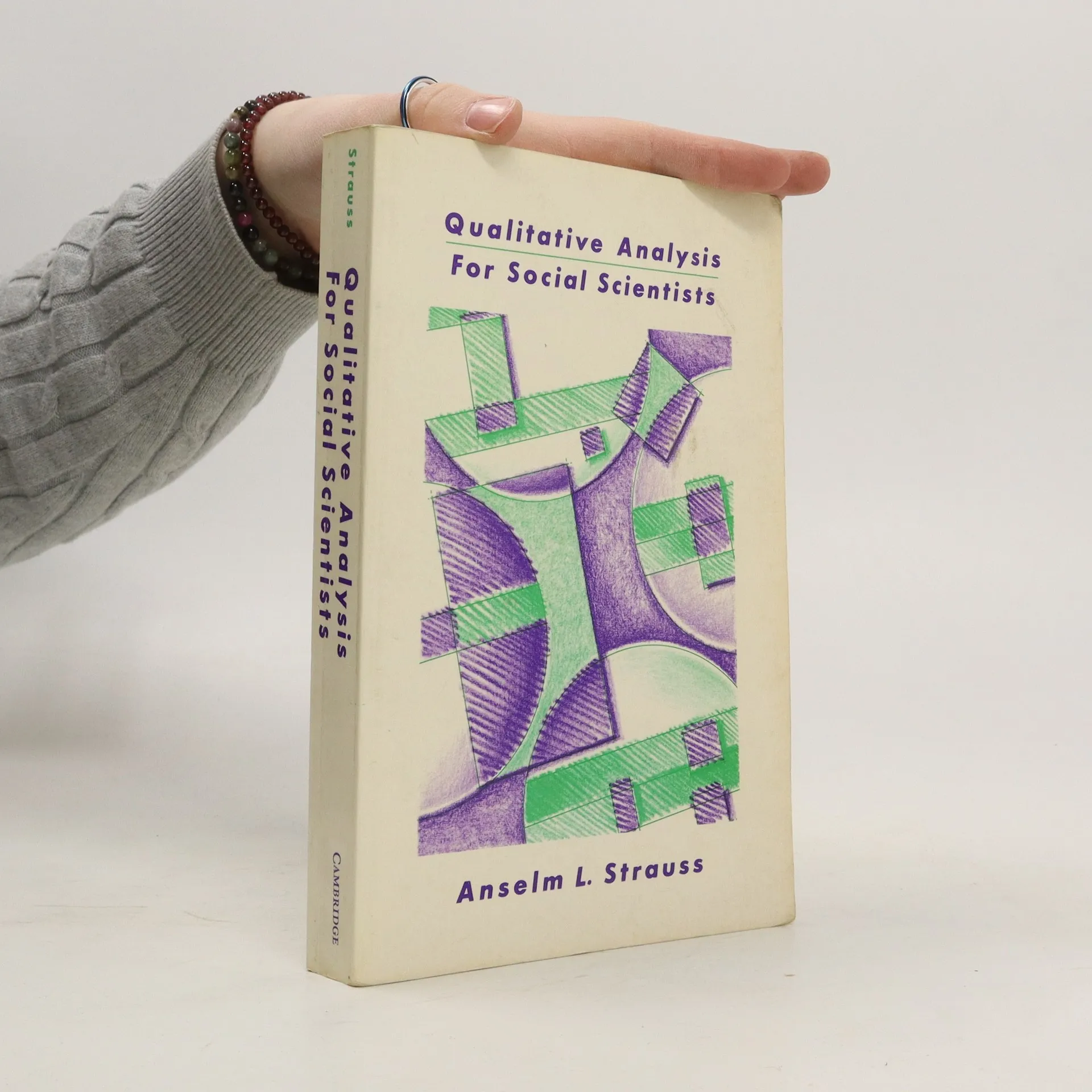
The teaching of qualitative analysis in the social sciences is often unstructured. This handbook aims to provide students and researchers with a systematic approach to interpreting qualitative data from interviews, field notes, or documents, with a strong focus on developing theory through qualitative analysis. It offers essential tools such as codes, memos, memo sequences, theoretical sampling, comparative analysis, and diagrams, all illustrated with examples from the author's extensive qualitative research and seminars. Procedural discussions include practical rules of thumb to assist researchers in their analytic processes. The book addresses common challenges faced by beginners in qualitative analysis and explores persistent questions they may have, including how to integrate analyses effectively. Additionally, it features a chapter on teaching qualitative analysis and offers valuable advice for research consultations, along with guidance on preparing material for publication. This resource is intended not only for sociologists but also for all social science researchers in fields like education, public health, nursing, and administration who utilize qualitative methods in their work.
Zakup książki
Qualitative Analysis for Social Scientists, Anselm L. Strauss
- Język

- Rok wydania
- 1987
- Oprawa
- (miękka)
Metody płatności
Brakuje nam tutaj Twojej recenzji.
- Tytuł
- Qualitative Analysis for Social Scientists
- Język
- angielski
- Autorzy
- Anselm L. Strauss
- Wydawca
- Cambridge University Press
- Rok wydania
- 1987
- Oprawa
- miękka
- ISBN10
- 0521338069
- ISBN13
- 9780521338066
- Seria
- Tagi
- Ocena
- 3,75 z 5
- Opis
- The teaching of qualitative analysis in the social sciences is often unstructured. This handbook aims to provide students and researchers with a systematic approach to interpreting qualitative data from interviews, field notes, or documents, with a strong focus on developing theory through qualitative analysis. It offers essential tools such as codes, memos, memo sequences, theoretical sampling, comparative analysis, and diagrams, all illustrated with examples from the author's extensive qualitative research and seminars. Procedural discussions include practical rules of thumb to assist researchers in their analytic processes. The book addresses common challenges faced by beginners in qualitative analysis and explores persistent questions they may have, including how to integrate analyses effectively. Additionally, it features a chapter on teaching qualitative analysis and offers valuable advice for research consultations, along with guidance on preparing material for publication. This resource is intended not only for sociologists but also for all social science researchers in fields like education, public health, nursing, and administration who utilize qualitative methods in their work.