



Więcej o książce
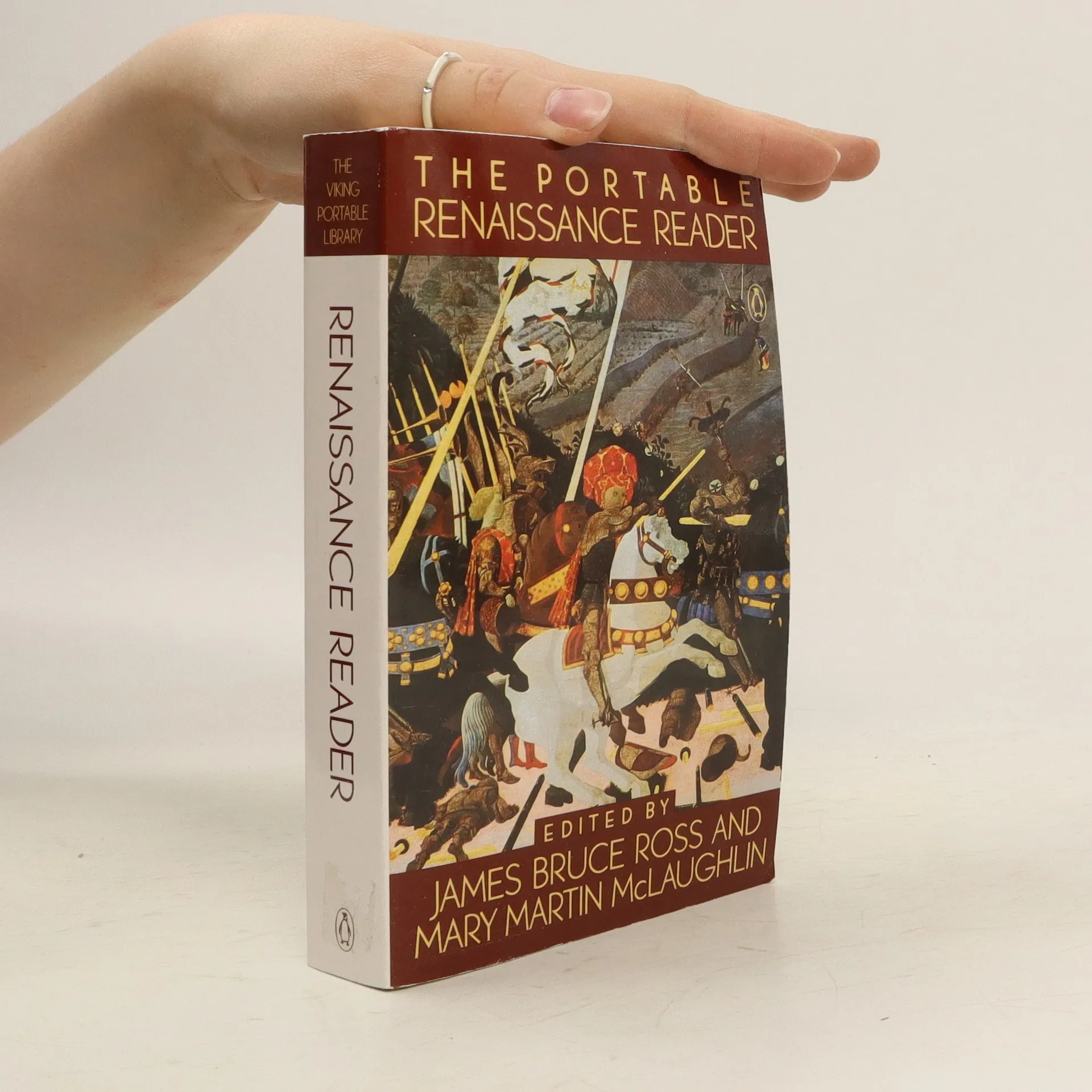
Essential passages form the works of more than 100 fifteenth-and sixteenth-century thinkers and writers, including Erasmus, Cervantes, Boccaccio, Montaigne, Bodin, Dürer, Machiavelli, Guicciardini, Rabelais, Leonardo, Cellini, Copernicus, Galileo, Savonarola, Luther, and Calvin. It was the age in which Europe rediscovered antiquity even as it built the foundations of the modern world; when Christendom lost its eastern empire and conquered a new world to the west; an age in which Leonardo and Michelangelo glorified the human body while Andreas Vesalius stripped bare its skeleton; an age in which a revolution in scientific knowledge coexisted with a religious inquisition and the hysterical persecution of suspected witches. The 200 years we call the Renaissance were so eventful and contradictory that one man, Erasmus of Rotterdam, could decry their tyranny, avarice and iniquity, yet proclaim the "near approach of a golden age."
Zakup książki
The portable Renaissance reader, James Bruce Ross, Mary Martin McLaughlin
- Język

- Rok wydania
- 1981
- Oprawa
- (miękka)
Metody płatności
Brakuje nam tutaj Twojej recenzji.
- Tytuł
- The portable Renaissance reader
- Język
- angielski
- Wydawca
- Penguin
- Rok wydania
- 1981
- Oprawa
- miękka
- ISBN10
- 0140150617
- ISBN13
- 9780140150612
- Seria
- Kategorie
- Ocena
- 3,85 z 5
- Opis
- Essential passages form the works of more than 100 fifteenth-and sixteenth-century thinkers and writers, including Erasmus, Cervantes, Boccaccio, Montaigne, Bodin, Dürer, Machiavelli, Guicciardini, Rabelais, Leonardo, Cellini, Copernicus, Galileo, Savonarola, Luther, and Calvin. It was the age in which Europe rediscovered antiquity even as it built the foundations of the modern world; when Christendom lost its eastern empire and conquered a new world to the west; an age in which Leonardo and Michelangelo glorified the human body while Andreas Vesalius stripped bare its skeleton; an age in which a revolution in scientific knowledge coexisted with a religious inquisition and the hysterical persecution of suspected witches. The 200 years we call the Renaissance were so eventful and contradictory that one man, Erasmus of Rotterdam, could decry their tyranny, avarice and iniquity, yet proclaim the "near approach of a golden age."