



Więcej o książce
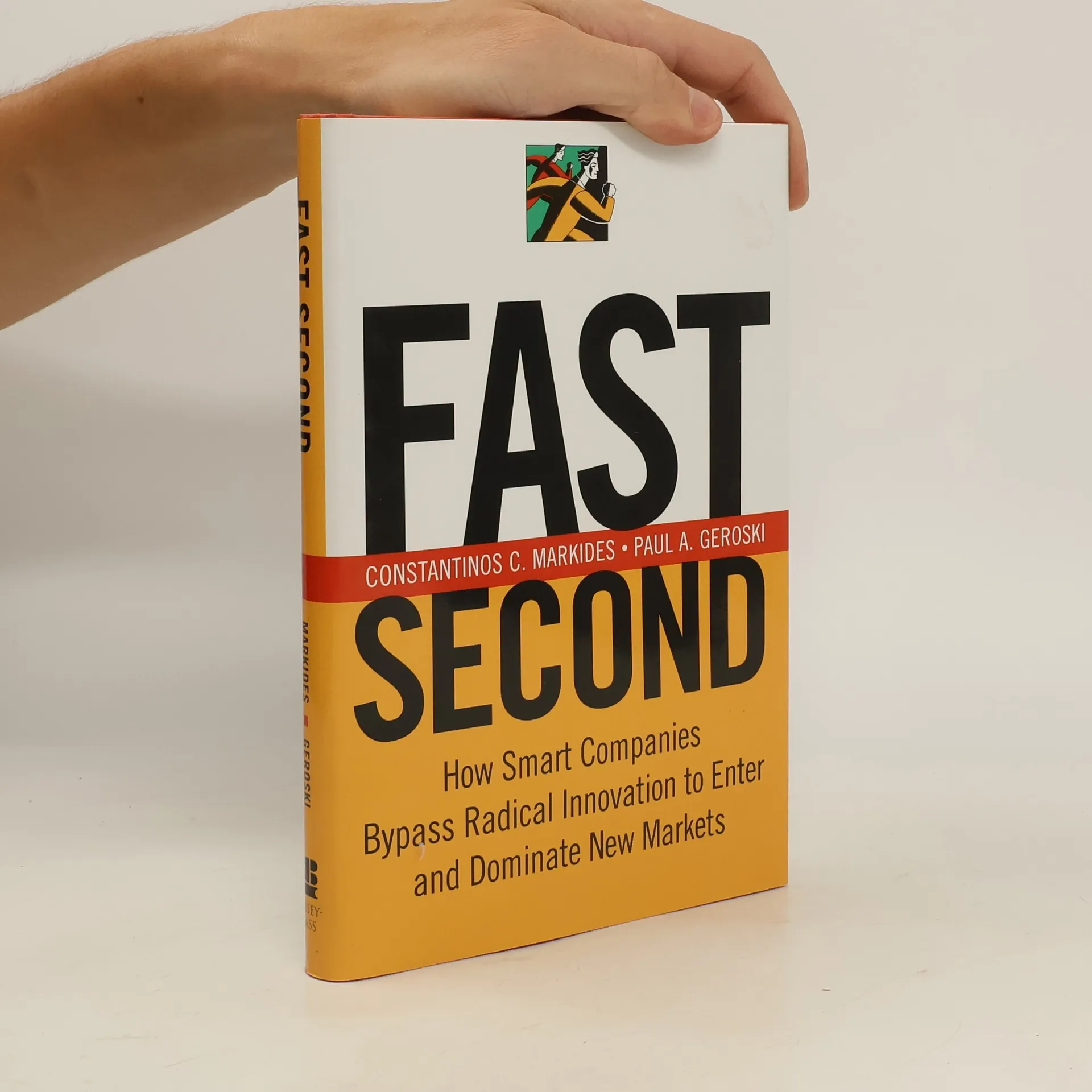
Discover why being a "fast second" is often more financially rewarding than being at the cutting edge. If you get there first, you'll lead the pack, right? Not necessarily! The skill-sets of most established companies, say strategy experts Constantinos Markides and Paul Geroski, are far better suited to scaling up newly created markets pioneered by others (in other words, being "fast seconds") than to creating these markets from scratch. In Fast Second , they explore the characteristics of new markets, describe the skills needed to create and compete in them, and show how these skills match up with different types of companies. Drawing on examples of successful fast-second firms such as Microsoft, Amazon, Canon, JVC, Heinz, and many others, they illustrate how to determine which new markets have the potential to be successful and how to move into them before the competition does, when to make a move into a new market, how to scale up a market, where to position a company in the market, and whether to be a colonizer or a consolidator. Order your copy today!
Zakup książki
Fast Second, Constantinos Markides, Paul A. Geroski
- Język

- Rok wydania
- 2004
- Oprawa
- (twarda)
Metody płatności
Brakuje nam tutaj Twojej recenzji.
- Tytuł
- Fast Second
- Język
- angielski
- Autorzy
- Constantinos Markides, Paul A. Geroski
- Wydawca
- John Wiley & Sons
- Rok wydania
- 2004
- Oprawa
- twarda
- Liczba stron
- 208
- ISBN10
- 0787971545
- ISBN13
- 9780787971540
- Seria
- Kategorie
- Tagi
- Biznes
- Ocena
- 3,7 z 5
- Opis
- Discover why being a "fast second" is often more financially rewarding than being at the cutting edge. If you get there first, you'll lead the pack, right? Not necessarily! The skill-sets of most established companies, say strategy experts Constantinos Markides and Paul Geroski, are far better suited to scaling up newly created markets pioneered by others (in other words, being "fast seconds") than to creating these markets from scratch. In Fast Second , they explore the characteristics of new markets, describe the skills needed to create and compete in them, and show how these skills match up with different types of companies. Drawing on examples of successful fast-second firms such as Microsoft, Amazon, Canon, JVC, Heinz, and many others, they illustrate how to determine which new markets have the potential to be successful and how to move into them before the competition does, when to make a move into a new market, how to scale up a market, where to position a company in the market, and whether to be a colonizer or a consolidator. Order your copy today!