



Więcej o książce
This book is the most comprehensive reference ever written for individuals interested in law enforcement selection. The chapters contain meta-analyses (statistical reviews of the literature) investigating the validity of methods used to predict police performance. These methods include education requirements, cognitive ability, background variables (e.g., military experience, arrest record, discipline problems at work), personality inventories, interest inventories, physical agility tests, assessment centers, and interviews. The first chapter in the book is a short primer on meta-analysis that informs the reader about the purpose of meta-analysis and how to interpret the meta-analysis tables contained in the book. Chapter 2 describes the methods used to conduct the meta-analyses for this project. Chapters 3-11 list the meta-analysis results for the various predictors of police performance. Chapter 12 describes a meta-analysis of the relationships among criteria (e.g., performance ratings, discipline problems, commendations), Chapter 13 describes a meta-analysis of the relationships among selection methods, and Chapter 14 describes a meta-analysis of the relationship between the various criteria and sex, race, age, and tenure. Chapter 15 summarizes the previous chapters and identifies future research needs.
Zakup książki
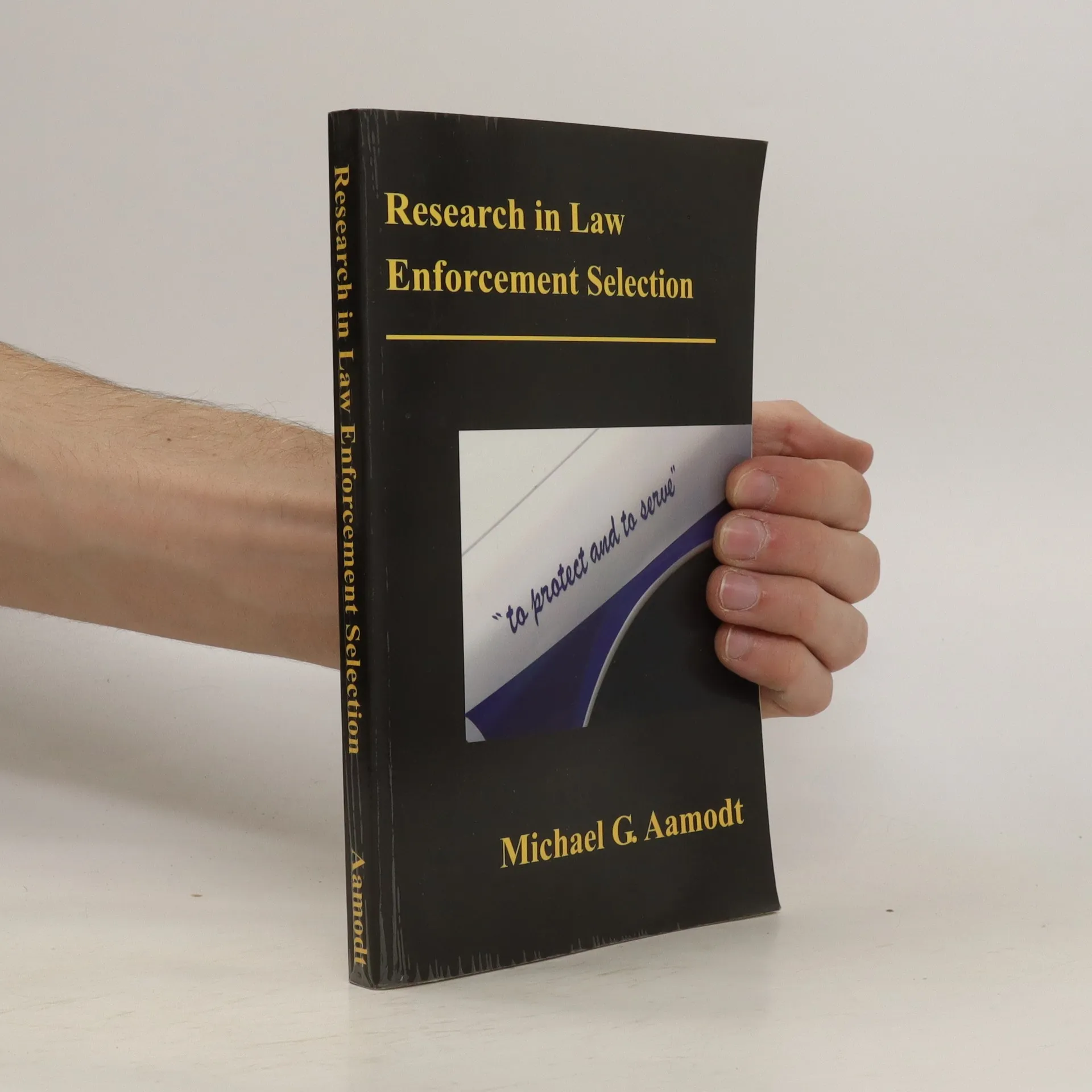
Research In Law Enforcement Selection, Michael G. Aamodt
- Język

- Rok wydania
- 2004
- Oprawa
- (miękka)
Metody płatności
Brakuje nam tutaj Twojej recenzji.
- Tytuł
- Research In Law Enforcement Selection
- Język
- angielski
- Autorzy
- Michael G. Aamodt
- Wydawca
- BrownWalker Press
- Rok wydania
- 2004
- Oprawa
- miękka
- Liczba stron
- 220
- ISBN10
- 1581124287
- ISBN13
- 9781581124286
- Seria
- Tagi
- Biznes, Tematy prawne
- Ocena
- 3 z 5
- Opis
- This book is the most comprehensive reference ever written for individuals interested in law enforcement selection. The chapters contain meta-analyses (statistical reviews of the literature) investigating the validity of methods used to predict police performance. These methods include education requirements, cognitive ability, background variables (e.g., military experience, arrest record, discipline problems at work), personality inventories, interest inventories, physical agility tests, assessment centers, and interviews. The first chapter in the book is a short primer on meta-analysis that informs the reader about the purpose of meta-analysis and how to interpret the meta-analysis tables contained in the book. Chapter 2 describes the methods used to conduct the meta-analyses for this project. Chapters 3-11 list the meta-analysis results for the various predictors of police performance. Chapter 12 describes a meta-analysis of the relationships among criteria (e.g., performance ratings, discipline problems, commendations), Chapter 13 describes a meta-analysis of the relationships among selection methods, and Chapter 14 describes a meta-analysis of the relationship between the various criteria and sex, race, age, and tenure. Chapter 15 summarizes the previous chapters and identifies future research needs.