

Ocena książki
Więcej o książce
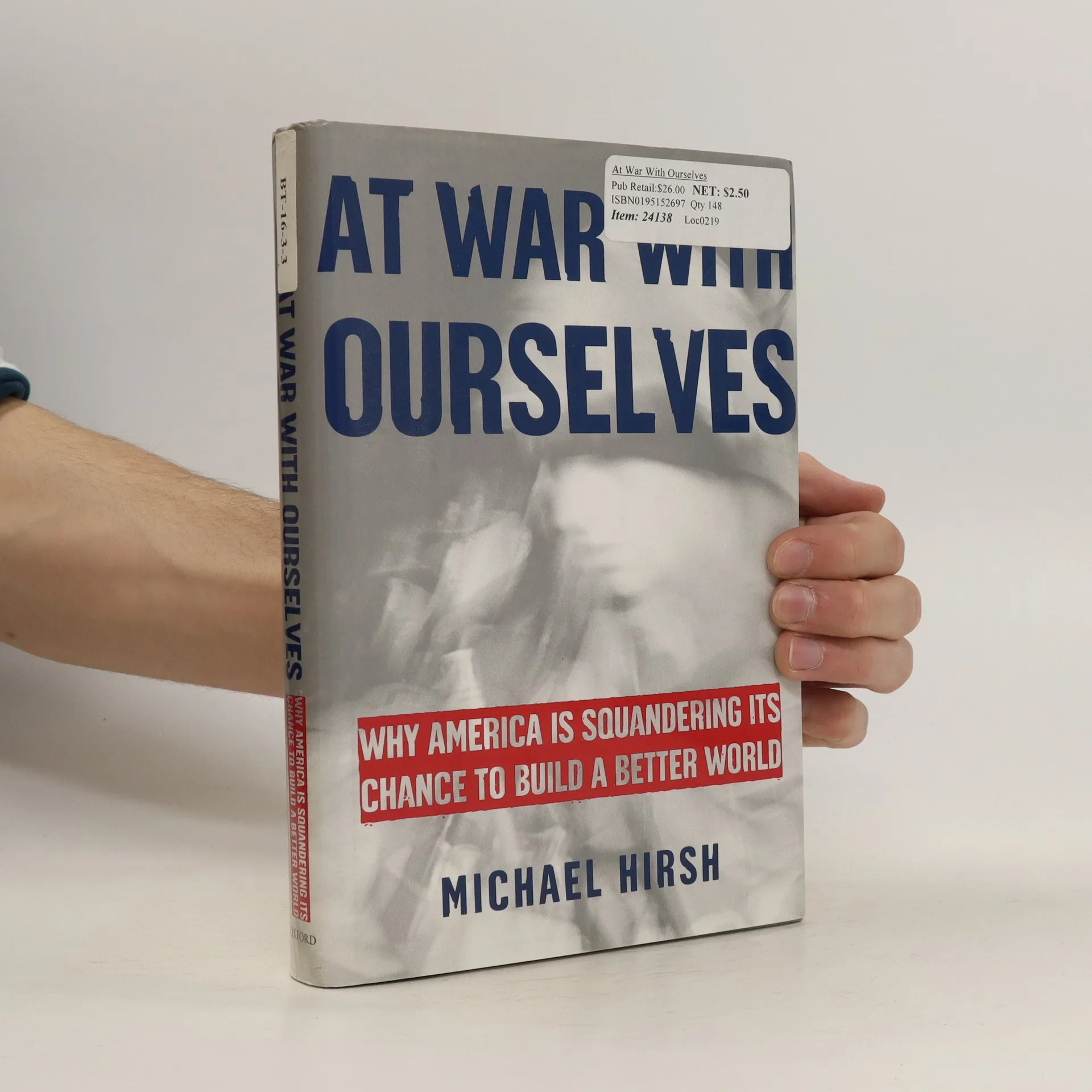
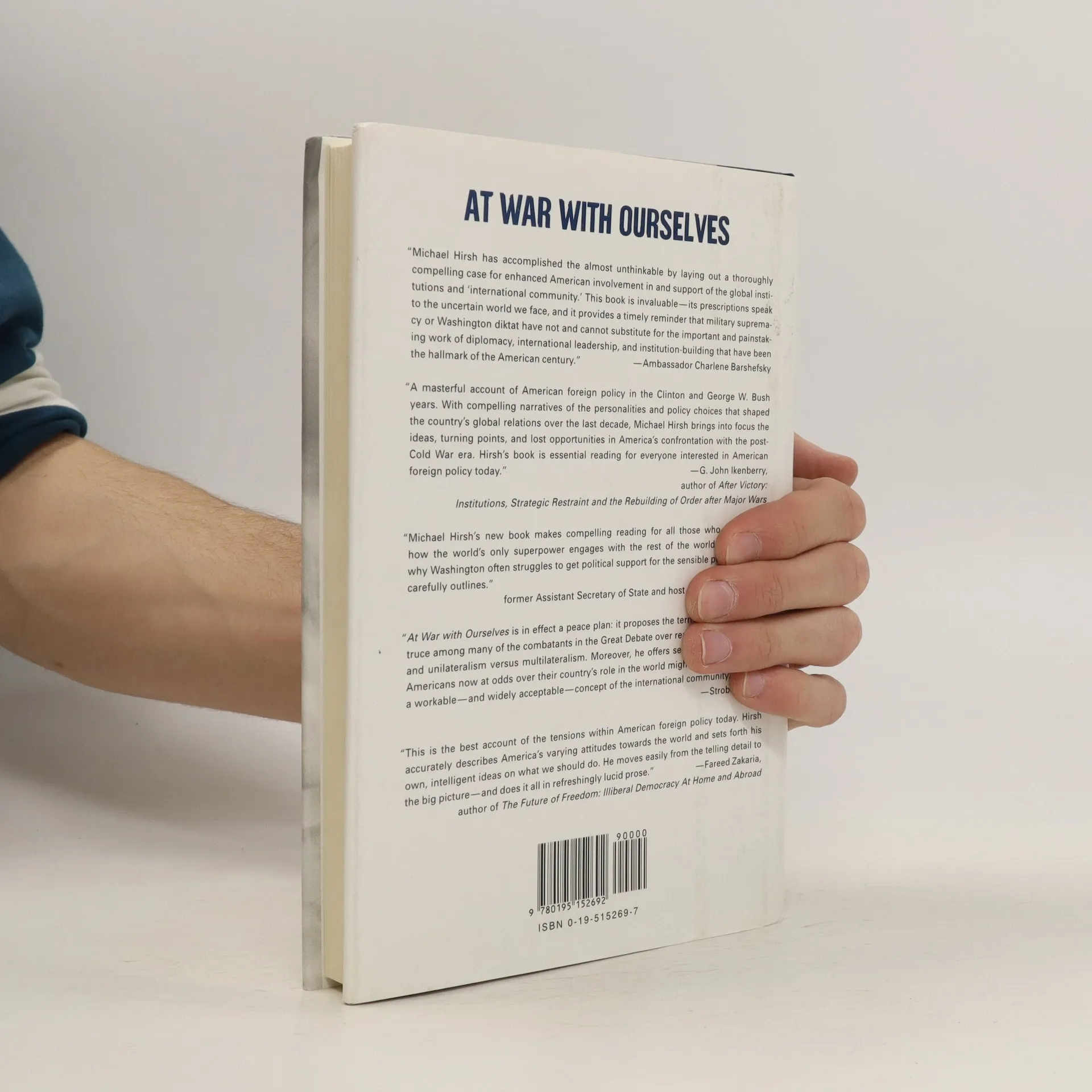
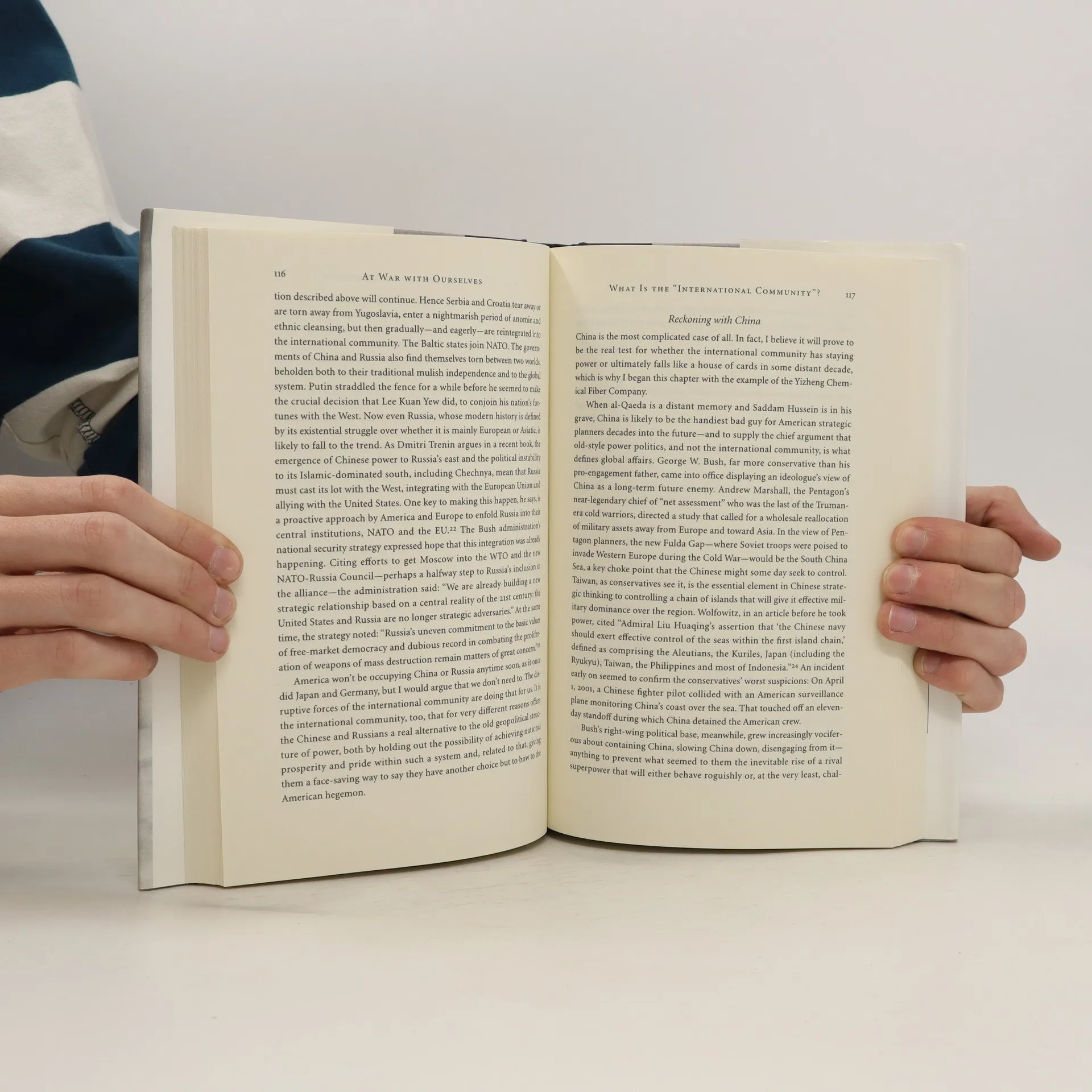
As a correspondent for Newsweek, Michael Hirsh has reported on American foreign policy across every continent. He offers a unique perspective on America's role in the world, drawing from his experiences covering Bill Clinton and George W. Bush. Hirsh posits that America has assumed a new role as the world's Uberpower, overseeing a global system from various domains, including space. This presents an unprecedented opportunity for the nation to maintain the international order it has established, creating a secure community centered around American power that may remain unchallenged. However, he warns that Americans are squandering this opportunity by not fully grasping the stakes involved. While the nation wields significant power, individuals face vulnerabilities they have not previously encountered, emphasizing the need for international support. In a time when democracy and free markets dominate global ideology, Hirsh identifies "ideological blowback" as a major challenge, highlighting the complexities of promoting democracy in the Arab world without empowering Islamic fundamentalists. To navigate these challenges and avoid accusations of hypocrisy, he argues that Washington must empower global institutions, like the U.N., to promote U.S. values effectively.
Zakup książki
At War with Ourselves : Why America is Squandering its Chance to Build a Better World, Michael Hirsh
- Język

- Rok wydania
- 2003
- Oprawa
- (twarda)
Metody płatności
Brakuje nam tutaj Twojej recenzji.
- Tytuł
- At War with Ourselves : Why America is Squandering its Chance to Build a Better World
- Język
- angielski
- Autorzy
- Michael Hirsh
- Wydawca
- Oxford University Press
- Rok wydania
- 2003
- Oprawa
- twarda
- Liczba stron
- 304
- ISBN10
- 0195152697
- ISBN13
- 9780195152692
- Seria
- Tagi
- Polityka
- Ocena
- 3 z 5
- Opis
- As a correspondent for Newsweek, Michael Hirsh has reported on American foreign policy across every continent. He offers a unique perspective on America's role in the world, drawing from his experiences covering Bill Clinton and George W. Bush. Hirsh posits that America has assumed a new role as the world's Uberpower, overseeing a global system from various domains, including space. This presents an unprecedented opportunity for the nation to maintain the international order it has established, creating a secure community centered around American power that may remain unchallenged. However, he warns that Americans are squandering this opportunity by not fully grasping the stakes involved. While the nation wields significant power, individuals face vulnerabilities they have not previously encountered, emphasizing the need for international support. In a time when democracy and free markets dominate global ideology, Hirsh identifies "ideological blowback" as a major challenge, highlighting the complexities of promoting democracy in the Arab world without empowering Islamic fundamentalists. To navigate these challenges and avoid accusations of hypocrisy, he argues that Washington must empower global institutions, like the U.N., to promote U.S. values effectively.