



Więcej o książce
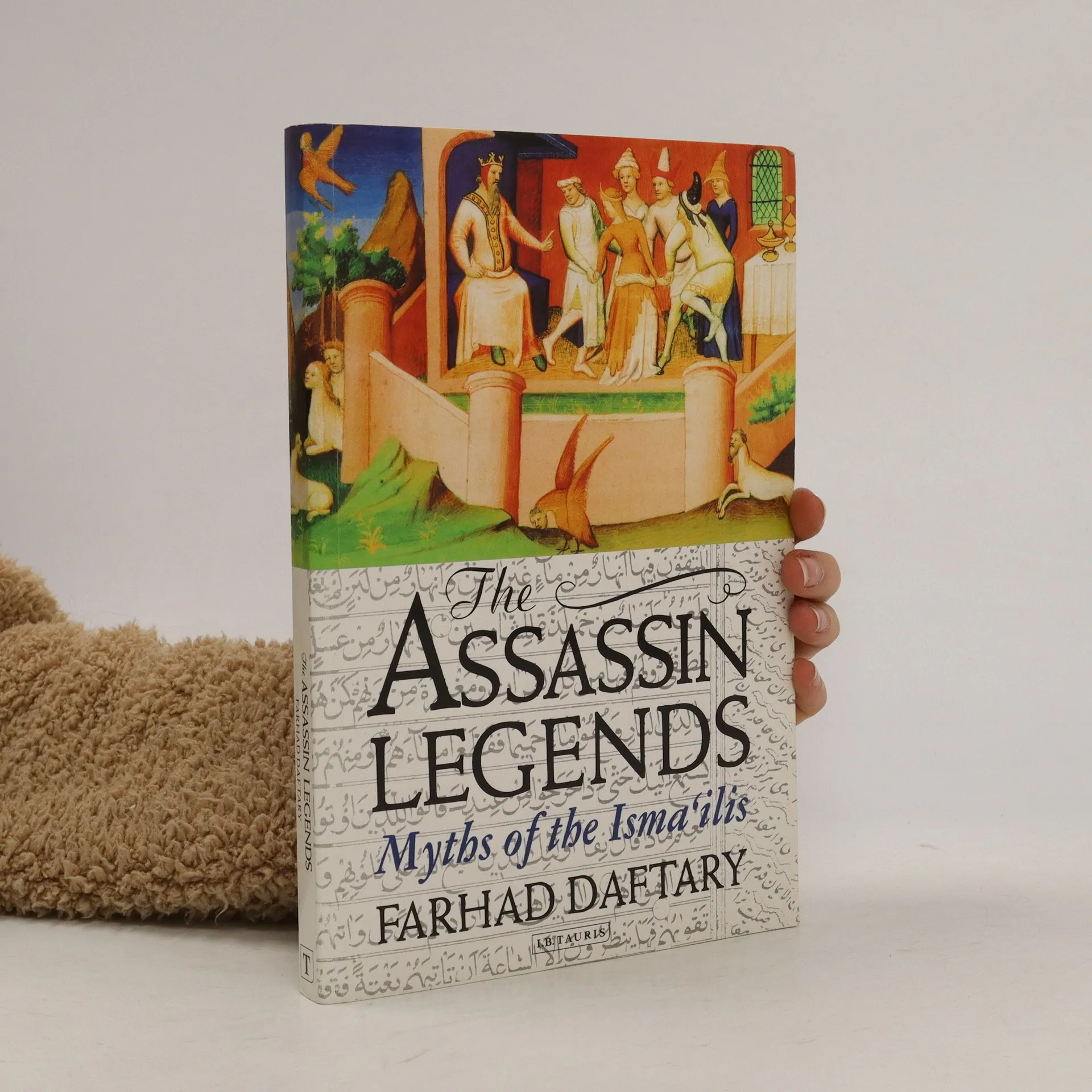
For hundreds of years Westerners have been fascinated by stories of the Assassins, their mysterious leader and their remote mountain stronghold at Alamut in Northern Iran. The legends first emerged in the 12th and 13th centuries, when Crusaders in Syria came into contact with the Nazari Isma'ilis, one of the communities of Shi'ite Islam who, at the behest of their leader Hassan Sabaa (mythologized as the "Old Man of the Mountain"), engaged in dangerous missions to kill their enemies. Elaborated over the years, the tales culminated in Marco Polo's claim that the "Old Man" controlled the behaviour of his self-sacrificing devotees through the use of hashish and a secret garden of paradise. So influential were these tales that the word "assassin" entered European languages as a common noun meaning "murderer". Daftary traces the origins and early development of the legends - as well as investigating the historical context in which they were fabricated and transmitted. As such, this book reveals an extraordinary programme of propaganda rooted in the medieval Muslim world and medieval Europe's ignorance of this world.This book also provides the first English translation of French orientalist Silvestre de Sacy's famous 19th-century "Memoir" on the Assassins.
Zakup książki
The Assassin Legends. Myths of the Isma'ilis, Farhad Daftary
- Język

- Rok wydania
- 1995
- Oprawa
- (miękka)
Metody płatności
Brakuje nam tutaj Twojej recenzji.
- Tytuł
- The Assassin Legends. Myths of the Isma'ilis
- Język
- angielski
- Autorzy
- Farhad Daftary
- Wydawca
- I.B. Tauris
- Rok wydania
- 1995
- Oprawa
- miękka
- Liczba stron
- 200
- ISBN10
- 1850439508
- ISBN13
- 9781850439509
- Seria
- Ocena
- 3,8 z 5
- Opis
- For hundreds of years Westerners have been fascinated by stories of the Assassins, their mysterious leader and their remote mountain stronghold at Alamut in Northern Iran. The legends first emerged in the 12th and 13th centuries, when Crusaders in Syria came into contact with the Nazari Isma'ilis, one of the communities of Shi'ite Islam who, at the behest of their leader Hassan Sabaa (mythologized as the "Old Man of the Mountain"), engaged in dangerous missions to kill their enemies. Elaborated over the years, the tales culminated in Marco Polo's claim that the "Old Man" controlled the behaviour of his self-sacrificing devotees through the use of hashish and a secret garden of paradise. So influential were these tales that the word "assassin" entered European languages as a common noun meaning "murderer". Daftary traces the origins and early development of the legends - as well as investigating the historical context in which they were fabricated and transmitted. As such, this book reveals an extraordinary programme of propaganda rooted in the medieval Muslim world and medieval Europe's ignorance of this world.This book also provides the first English translation of French orientalist Silvestre de Sacy's famous 19th-century "Memoir" on the Assassins.