


Więcej o książce
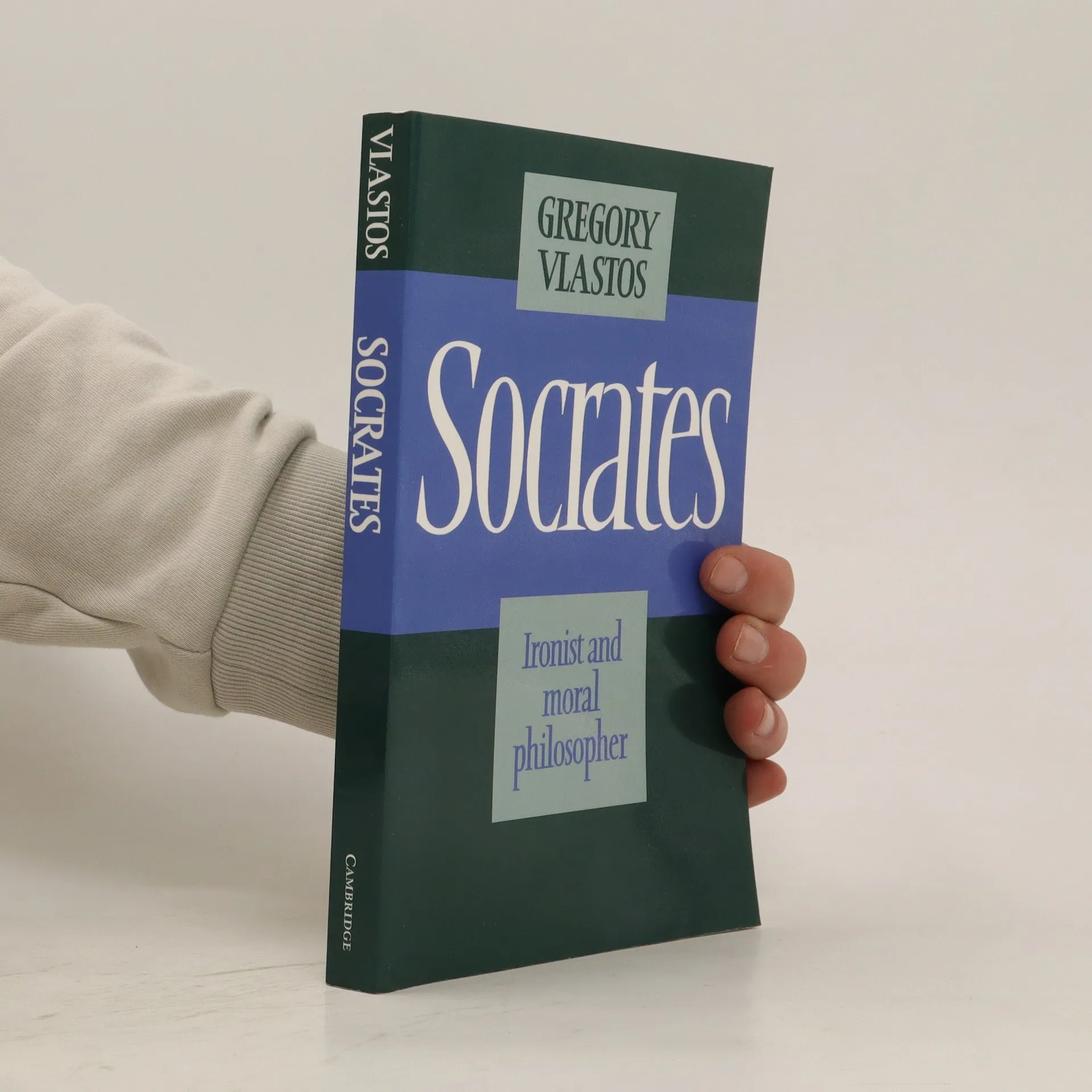
This long-awaited study of the most enigmatic figure of Greek philosophy reclaims Socrates' ground-breaking originality. Written by a leading historian of Greek thought, it argues for a Socrates who, though long overshadowed by his successors Plato and Aristotle, marked the true turning point in Greek philosophy, religion and ethics. The quest for the historical figure focuses on the Socrates of Plato's earlier dialogues, setting him in sharp contrast to that other Socrates of later dialogues, where he is used as a mouthpiece for Plato's often anti-Socratic doctrine. At the heart of the book is the paradoxical nature of Socratic thought. But the paradoxes are explained, not explained away. The book highlights the tensions in the Socratic search for the answer to the question 'How should we live?' Conceived as a divine mandate, the search is carried out through elenctic argument, and dominated by an uncompromising rationalism. The magnetic quality of Socrates' personality is allowed to emerge throughout the book. Clearly and forcefully written, philosophically sophisticated but entirely accessible to non-specialists, this book will be of major importance and interest to all those studying ancient philosophy and the history of Western thought.
Zakup książki
Socrates, Gregory Vlastos
- Język

- Rok wydania
- 1991
- Oprawa
- (miękka)
Metody płatności
Brakuje nam tutaj Twojej recenzji.
- Tytuł
- Socrates
- Język
- angielski
- Autorzy
- Gregory Vlastos
- Wydawca
- Cambridge University Press
- Rok wydania
- 1991
- Oprawa
- miękka
- ISBN10
- 052131450X
- ISBN13
- 9780521314503
- Seria
- Kategorie
- Ocena
- 4,6 z 5
- Opis
- This long-awaited study of the most enigmatic figure of Greek philosophy reclaims Socrates' ground-breaking originality. Written by a leading historian of Greek thought, it argues for a Socrates who, though long overshadowed by his successors Plato and Aristotle, marked the true turning point in Greek philosophy, religion and ethics. The quest for the historical figure focuses on the Socrates of Plato's earlier dialogues, setting him in sharp contrast to that other Socrates of later dialogues, where he is used as a mouthpiece for Plato's often anti-Socratic doctrine. At the heart of the book is the paradoxical nature of Socratic thought. But the paradoxes are explained, not explained away. The book highlights the tensions in the Socratic search for the answer to the question 'How should we live?' Conceived as a divine mandate, the search is carried out through elenctic argument, and dominated by an uncompromising rationalism. The magnetic quality of Socrates' personality is allowed to emerge throughout the book. Clearly and forcefully written, philosophically sophisticated but entirely accessible to non-specialists, this book will be of major importance and interest to all those studying ancient philosophy and the history of Western thought.