

Więcej o książce
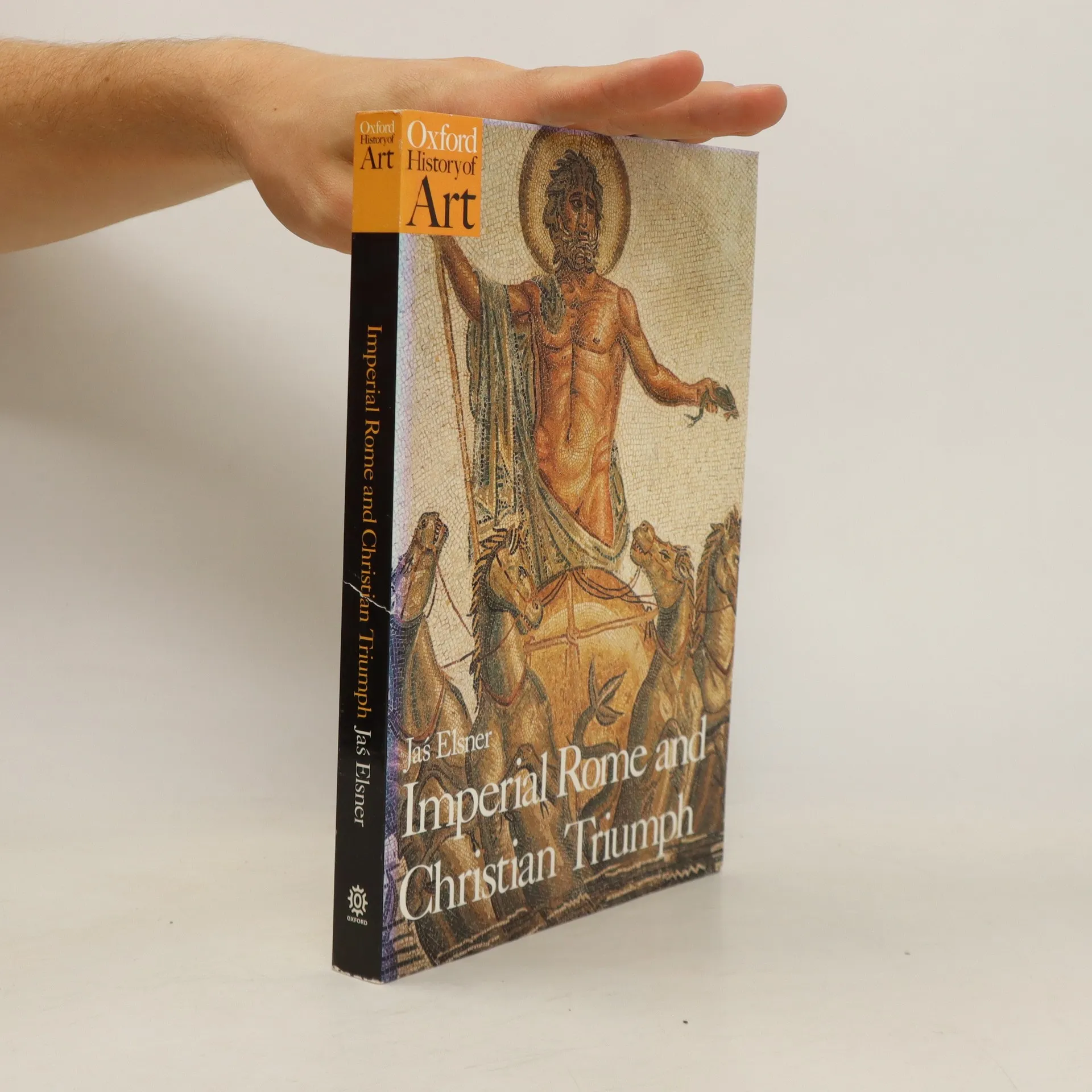
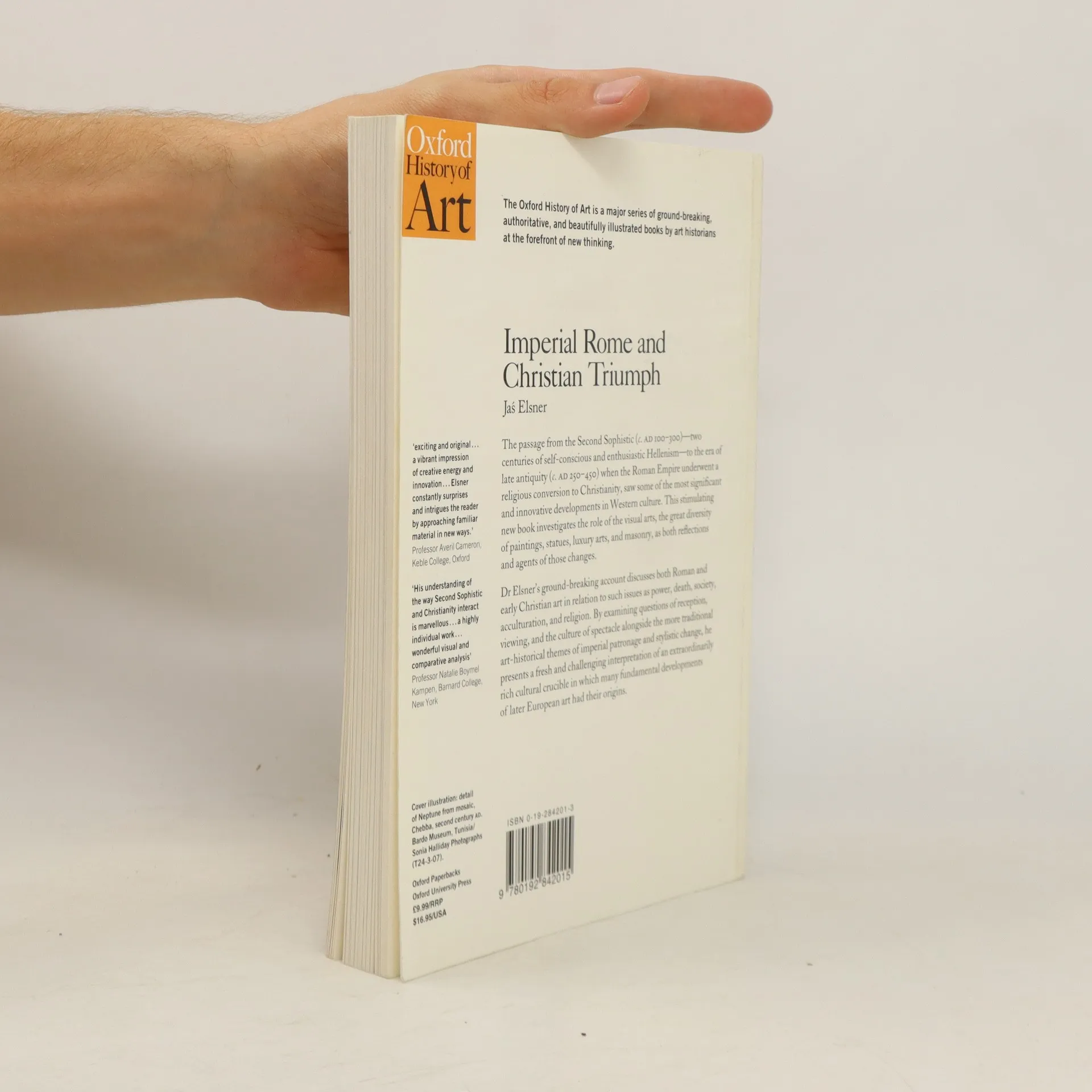
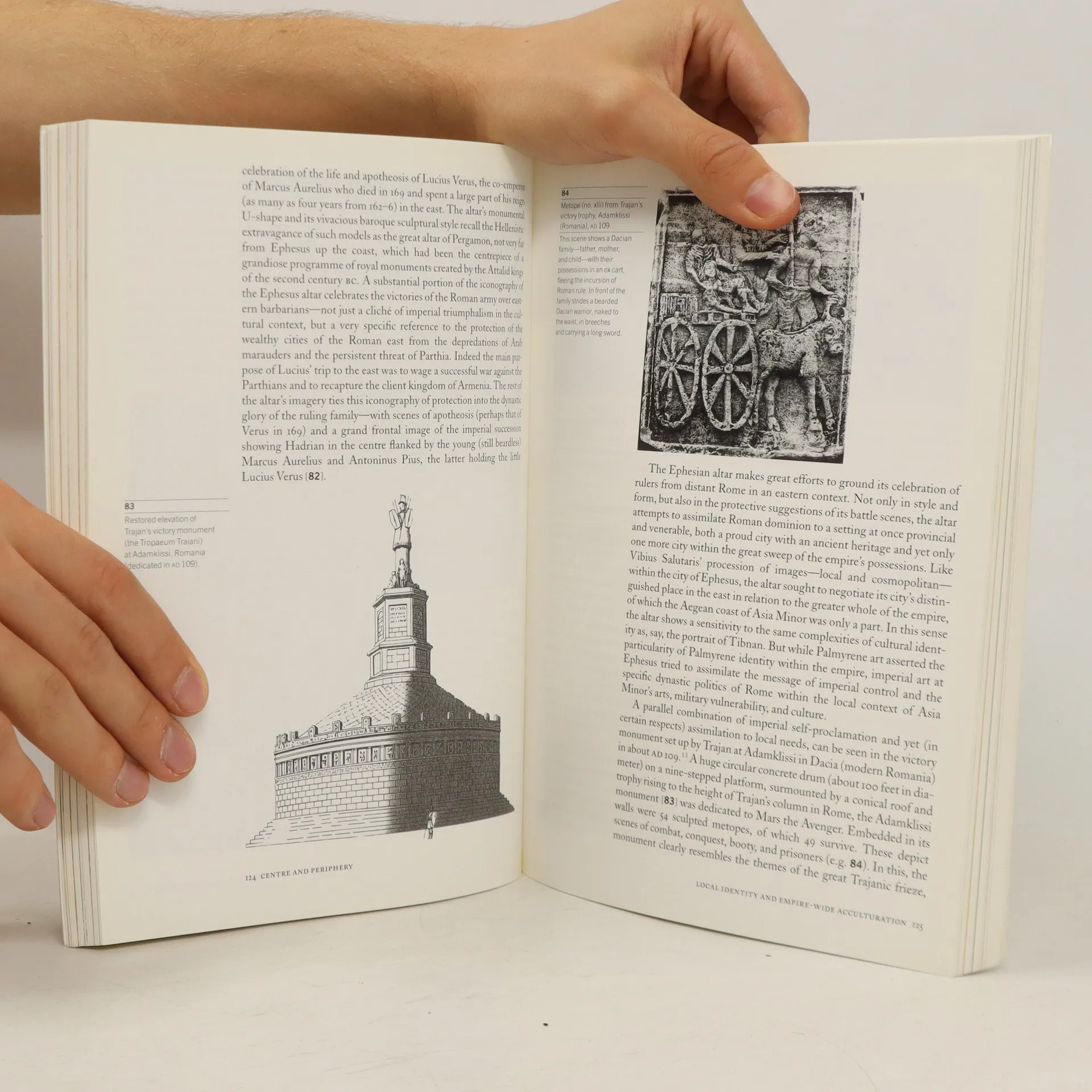
Western culture experienced significant developments during the transition from antiquity to the middle ages, particularly in the visual arts, which reflected and influenced these changes. This book investigates two interconnected periods of transformation within the Roman Empire: the 'Second Sophistic' (c. AD 100-300), marked by a revival of Hellenism, and late antiquity (c. AD 250-450), characterized by the empire's shift to Christianity. It examines vases, murals, statues, and masonry in relation to themes such as power, death, society, acculturation, and religion. By addressing reception, viewing, and the culture of spectacle alongside traditional art-historical topics like imperial patronage and stylistic evolution, the author presents a fresh perspective on a culturally rich period that laid the groundwork for later European art. The work is praised for its unique approach, offering a compelling visual and comparative analysis that elegantly explores the theme of visuality and desire. It captures a vibrant atmosphere of creativity and innovation, balanced by the persistence of traditional motifs and techniques, and continually surprises readers by presenting familiar material in new ways.
Zakup książki
Imperial Rome and Christian triumph, Jaś Elsner
- Język

- Rok wydania
- 1998
- Oprawa
- (miękka)
Metody płatności
Brakuje nam tutaj Twojej recenzji.
- Tytuł
- Imperial Rome and Christian triumph
- Język
- angielski
- Autorzy
- Jaś Elsner
- Wydawca
- Oxford University Press
- Rok wydania
- 1998
- Oprawa
- miękka
- ISBN10
- 0192842013
- ISBN13
- 9780192842015
- Seria
- Ocena
- 4 z 5
- Opis
- Western culture experienced significant developments during the transition from antiquity to the middle ages, particularly in the visual arts, which reflected and influenced these changes. This book investigates two interconnected periods of transformation within the Roman Empire: the 'Second Sophistic' (c. AD 100-300), marked by a revival of Hellenism, and late antiquity (c. AD 250-450), characterized by the empire's shift to Christianity. It examines vases, murals, statues, and masonry in relation to themes such as power, death, society, acculturation, and religion. By addressing reception, viewing, and the culture of spectacle alongside traditional art-historical topics like imperial patronage and stylistic evolution, the author presents a fresh perspective on a culturally rich period that laid the groundwork for later European art. The work is praised for its unique approach, offering a compelling visual and comparative analysis that elegantly explores the theme of visuality and desire. It captures a vibrant atmosphere of creativity and innovation, balanced by the persistence of traditional motifs and techniques, and continually surprises readers by presenting familiar material in new ways.