

Parametry
Więcej o książce
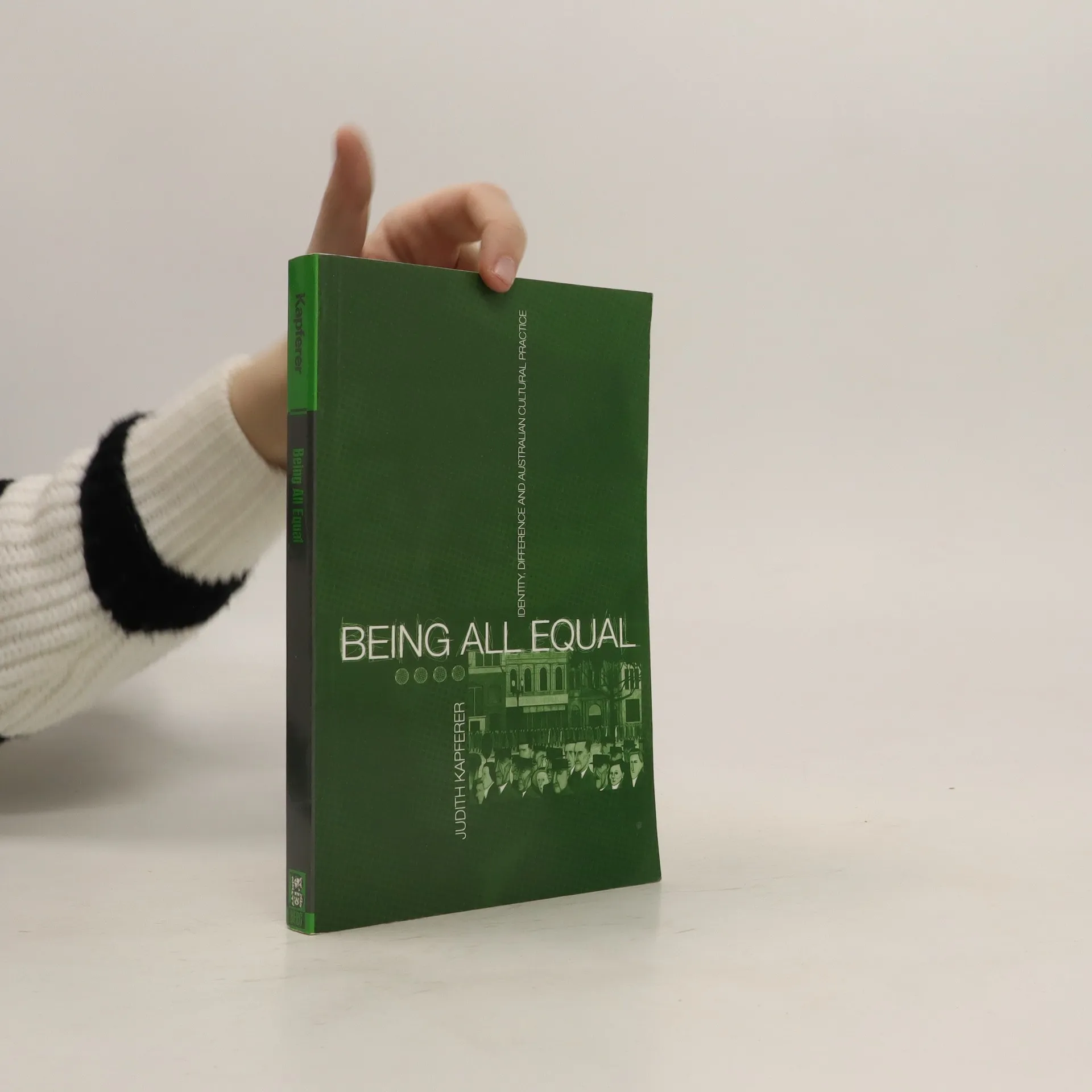
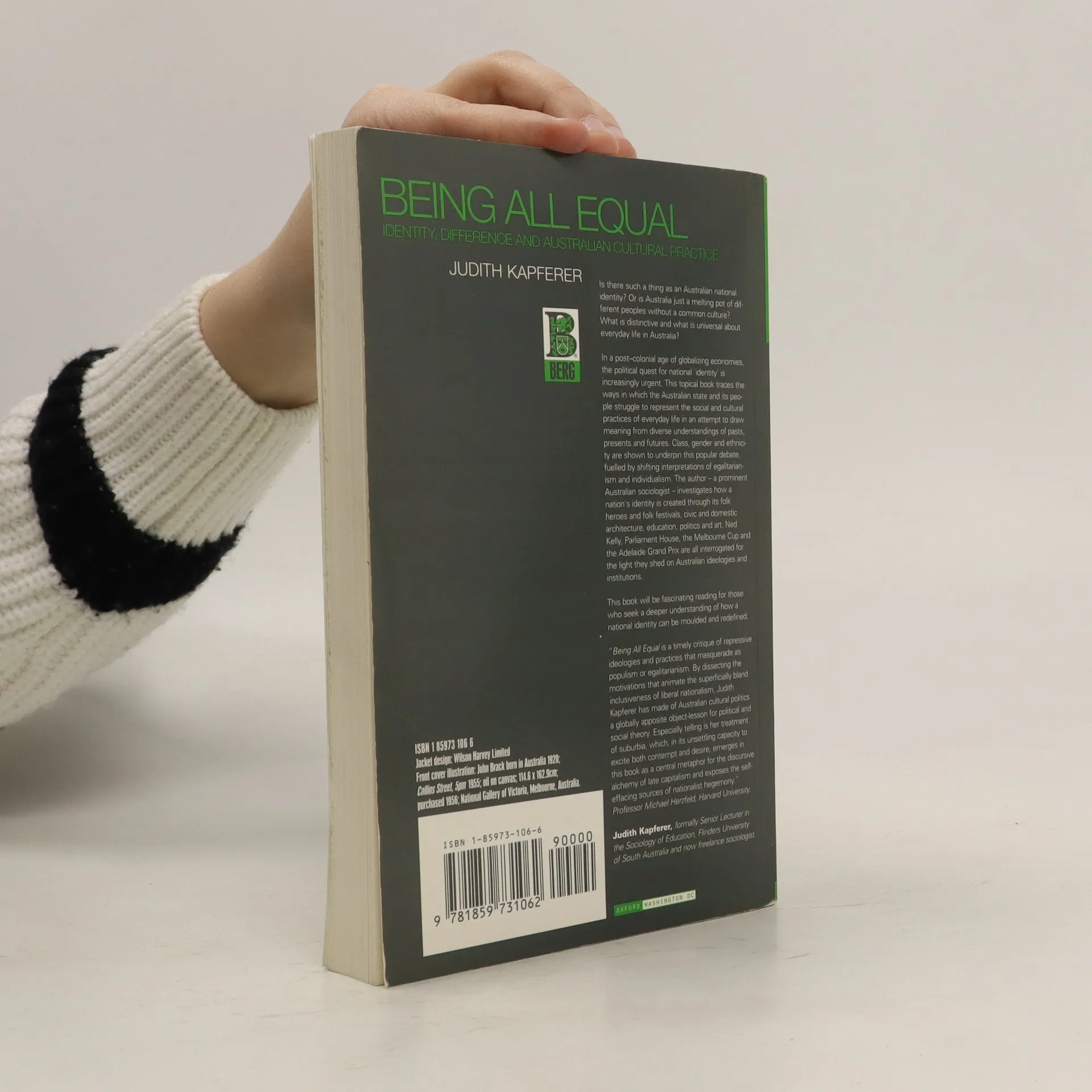
- Is there such a thing as an Australian national identity? Or is Australia just a melting pot of different peoples and cultures without a common culture? - What is distinctive and what is universal about everyday life in Australia? In a post-colonial age of globalizing economies, the political quest for national 'identity' is increasingly urgent. This topical book traces the ways in which the Australian state and its people struggle to represent the social and cultural practices of everyday life in an attempt to draw meaning from diverse understandings of pasts, presents and futures. Class, gender and ethnicity are shown to underpin this popular debate, fuelled by shifting interpretations of egalitarianism and individualism. The author -- a prominent Australian sociologist -- investigates how a nation's identity is created through its folk heroes and folk festivals, civic and domestic architecture, education, politics and art. Ned Kelly, Parliament House, the Melbourne Cup and the Adelaide Grand Prix are all interrogated for the light they shed on Australian ideologies and institutions.This book will be fascinating reading for those who seek a deeper understanding of how a national identity can be moulded and redefined.
Zakup książki
Being All Equal, Judith Kapferer
- Język

- Rok wydania
- 1996
- Oprawa
- (miękka)
Metody płatności
Brakuje nam tutaj Twojej recenzji.
- Tytuł
- Being All Equal
- Język
- angielski
- Autorzy
- Judith Kapferer
- Wydawca
- Berg
- Rok wydania
- 1996
- Oprawa
- miękka
- ISBN10
- 1859731066
- ISBN13
- 9781859731062
- Seria
- Kategorie
- Tagi
- Ocena
- 5 z 5
- Opis
- - Is there such a thing as an Australian national identity? Or is Australia just a melting pot of different peoples and cultures without a common culture? - What is distinctive and what is universal about everyday life in Australia? In a post-colonial age of globalizing economies, the political quest for national 'identity' is increasingly urgent. This topical book traces the ways in which the Australian state and its people struggle to represent the social and cultural practices of everyday life in an attempt to draw meaning from diverse understandings of pasts, presents and futures. Class, gender and ethnicity are shown to underpin this popular debate, fuelled by shifting interpretations of egalitarianism and individualism. The author -- a prominent Australian sociologist -- investigates how a nation's identity is created through its folk heroes and folk festivals, civic and domestic architecture, education, politics and art. Ned Kelly, Parliament House, the Melbourne Cup and the Adelaide Grand Prix are all interrogated for the light they shed on Australian ideologies and institutions.This book will be fascinating reading for those who seek a deeper understanding of how a national identity can be moulded and redefined.