

Więcej o książce
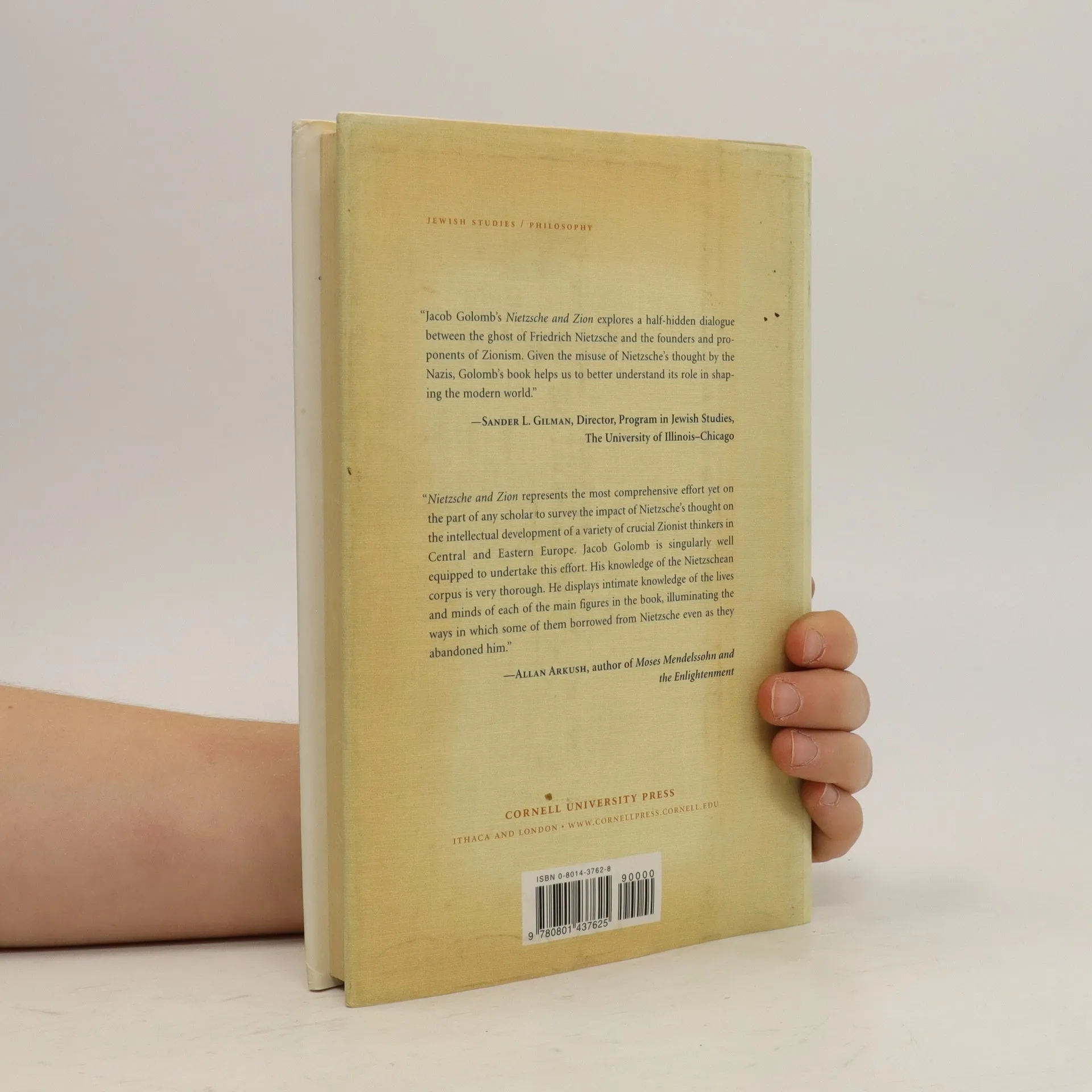
"The early Zionists were deeply concerned with the authenticity of the modern Jew qua person and with the content and direction of the reawakening Hebrew culture. Nietzsche too was propagating his highest ideal of a personal authenticity. Yet the affinities in their thought, and the formative impact of Nietzsche on the first leaders and writers of the Zionist movement, have attracted very little attention from intellectual historians. Indeed, the antisemitic uses to which Nietzsche's thought was turned after his death have led most commentators to assume the philosopher's antipathy to Jewish aspirations. Jacob Golomb proposes a Nietzsche whose sympathies overturn such preconceptions and details for the first time how Nietzsche's philosophy inspired Zionist leaders, idealogues, and writers to create a modern Hebrew culture. Golomb cites Ahad Ha'am, Micha Josef Berdichevski, Martin Buber, Theodor Herzl, Max Nordau, and Hillel Zeitlin as examples of Zionists who "dared to look into Nietzsche's eyes." This book tells us what they found."--Jacket
Zakup książki
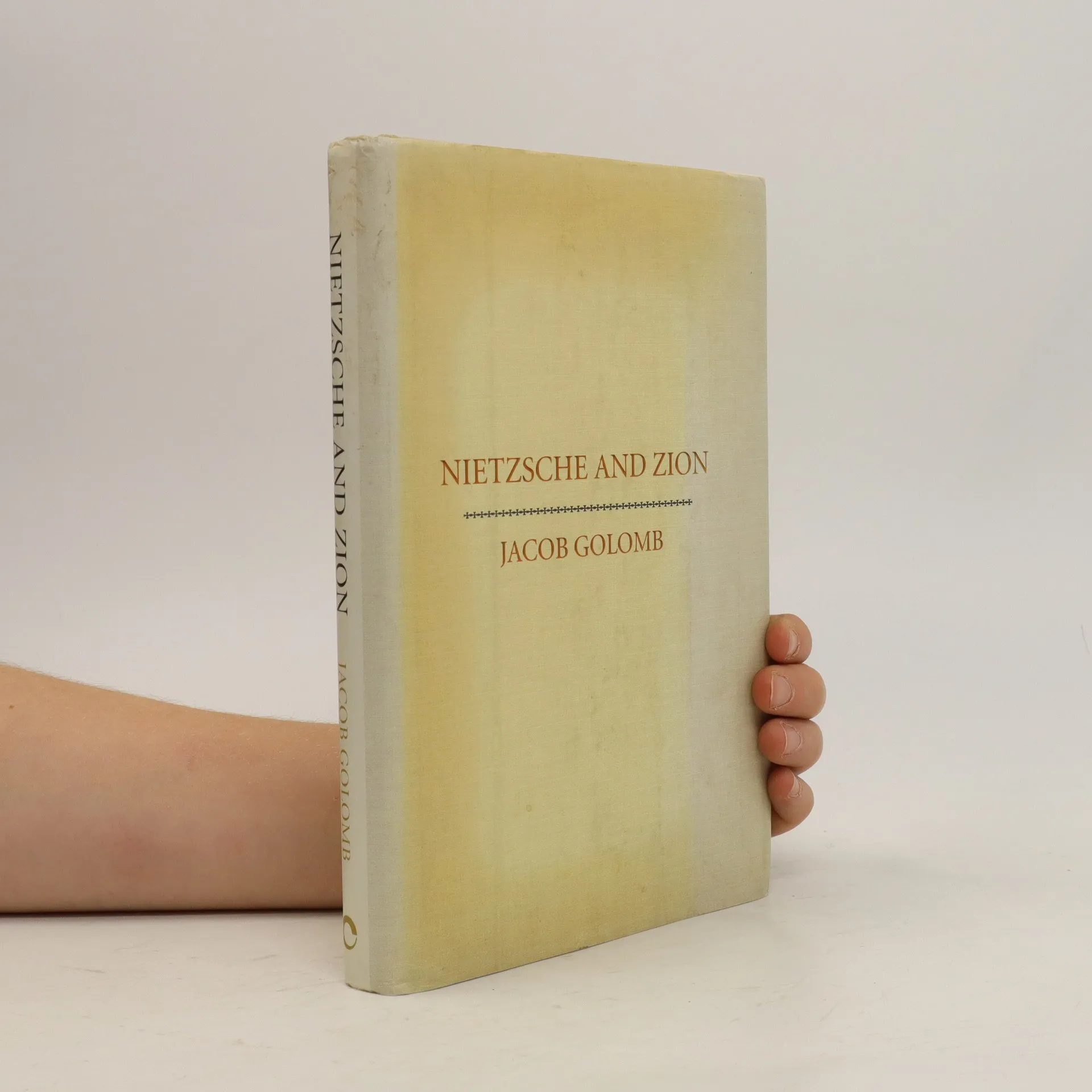
Nietzsche and Zion, Jacob Golomb
- Język

- Rok wydania
- 2004
- Oprawa
- (twarda)
Metody płatności
Brakuje nam tutaj Twojej recenzji.
- Tytuł
- Nietzsche and Zion
- Język
- angielski
- Autorzy
- Jacob Golomb
- Wydawca
- Cornell University Press
- Rok wydania
- 2004
- Oprawa
- twarda
- Liczba stron
- 304
- ISBN10
- 0801437628
- ISBN13
- 9780801437625
- Seria
- Ocena
- 4,55 z 5
- Opis
- "The early Zionists were deeply concerned with the authenticity of the modern Jew qua person and with the content and direction of the reawakening Hebrew culture. Nietzsche too was propagating his highest ideal of a personal authenticity. Yet the affinities in their thought, and the formative impact of Nietzsche on the first leaders and writers of the Zionist movement, have attracted very little attention from intellectual historians. Indeed, the antisemitic uses to which Nietzsche's thought was turned after his death have led most commentators to assume the philosopher's antipathy to Jewish aspirations. Jacob Golomb proposes a Nietzsche whose sympathies overturn such preconceptions and details for the first time how Nietzsche's philosophy inspired Zionist leaders, idealogues, and writers to create a modern Hebrew culture. Golomb cites Ahad Ha'am, Micha Josef Berdichevski, Martin Buber, Theodor Herzl, Max Nordau, and Hillel Zeitlin as examples of Zionists who "dared to look into Nietzsche's eyes." This book tells us what they found."--Jacket