

Parametry
Więcej o książce
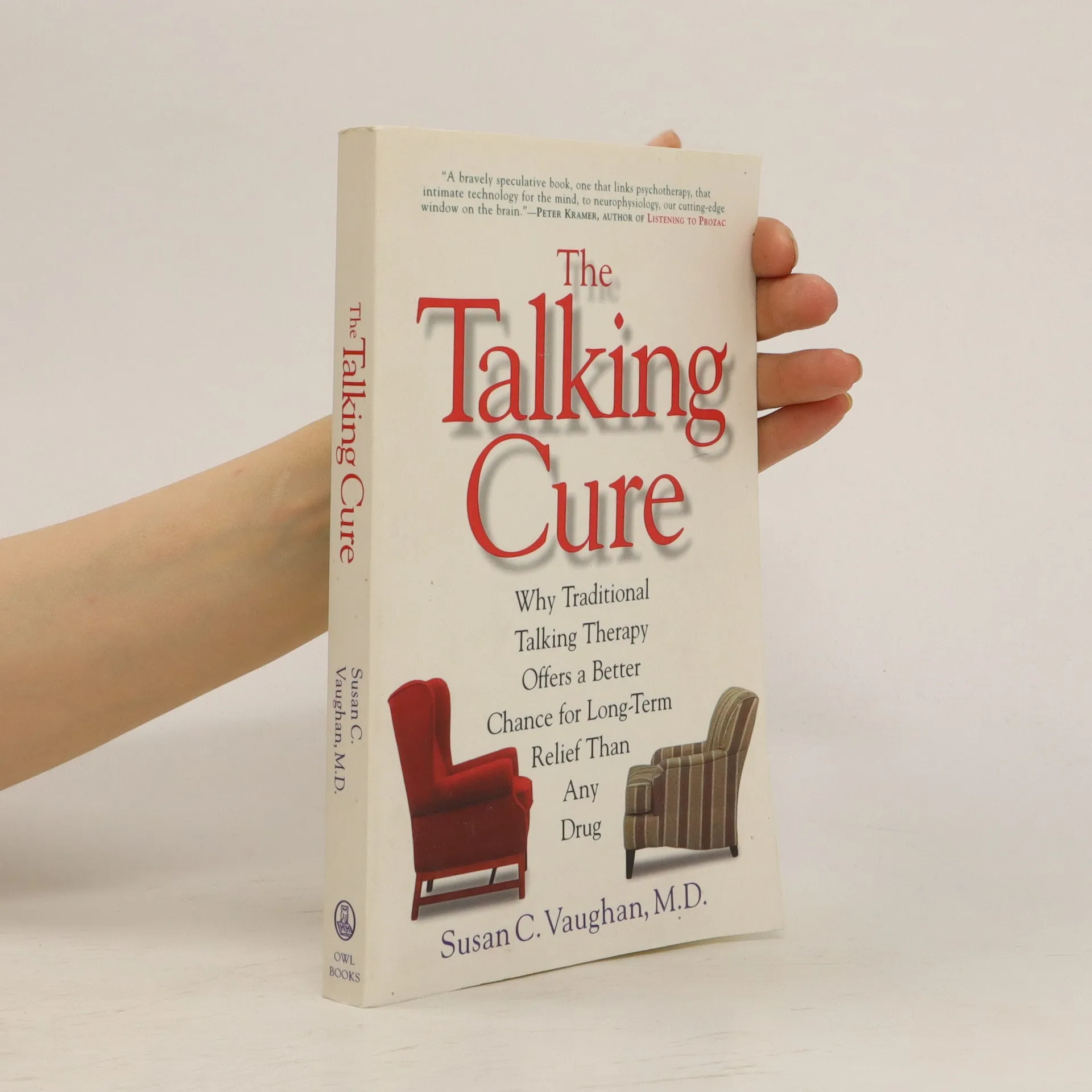
Vaughan, Susan C., M.D. Many therapists and their patients find that the traditional talking therapy still offers the best hope for long-term relief from depression and other psychological ailments. This is especially true for people who worry about the side effects of Prozac and other similar drugs. Now Dr. Susan Vaughan offers compelling evidence, based on new scientific research, that the process of talking with a trained therapist actually alters the way the brain's neurons are connected and effects permanent, positive changes in how we interact with the world. Dr. Vaughan interweaves stories from therapy sessions with cutting-edge research results. She shows how interpreting dreams, free-associating, and attention to childhood experiences have an impact on the structure of our brain. Anyone who, for one reason or another, questions the value of long-term drug therapy will welcome the alternative approach presented here.
Zakup książki
The Talking Cure, Susan C. Vaughan
- Język

- Rok wydania
- 1998
- Oprawa
- (miękka)
Metody płatności
Brakuje nam tutaj Twojej recenzji.
- Tytuł
- The Talking Cure
- Język
- angielski
- Autorzy
- Susan C. Vaughan
- Wydawca
- Macmillan
- Rok wydania
- 1998
- Oprawa
- miękka
- ISBN10
- 0805058273
- ISBN13
- 9780805058277
- Seria
- Ocena
- 3,5 z 5
- Opis
- Vaughan, Susan C., M.D. Many therapists and their patients find that the traditional talking therapy still offers the best hope for long-term relief from depression and other psychological ailments. This is especially true for people who worry about the side effects of Prozac and other similar drugs. Now Dr. Susan Vaughan offers compelling evidence, based on new scientific research, that the process of talking with a trained therapist actually alters the way the brain's neurons are connected and effects permanent, positive changes in how we interact with the world. Dr. Vaughan interweaves stories from therapy sessions with cutting-edge research results. She shows how interpreting dreams, free-associating, and attention to childhood experiences have an impact on the structure of our brain. Anyone who, for one reason or another, questions the value of long-term drug therapy will welcome the alternative approach presented here.