


Więcej o książce
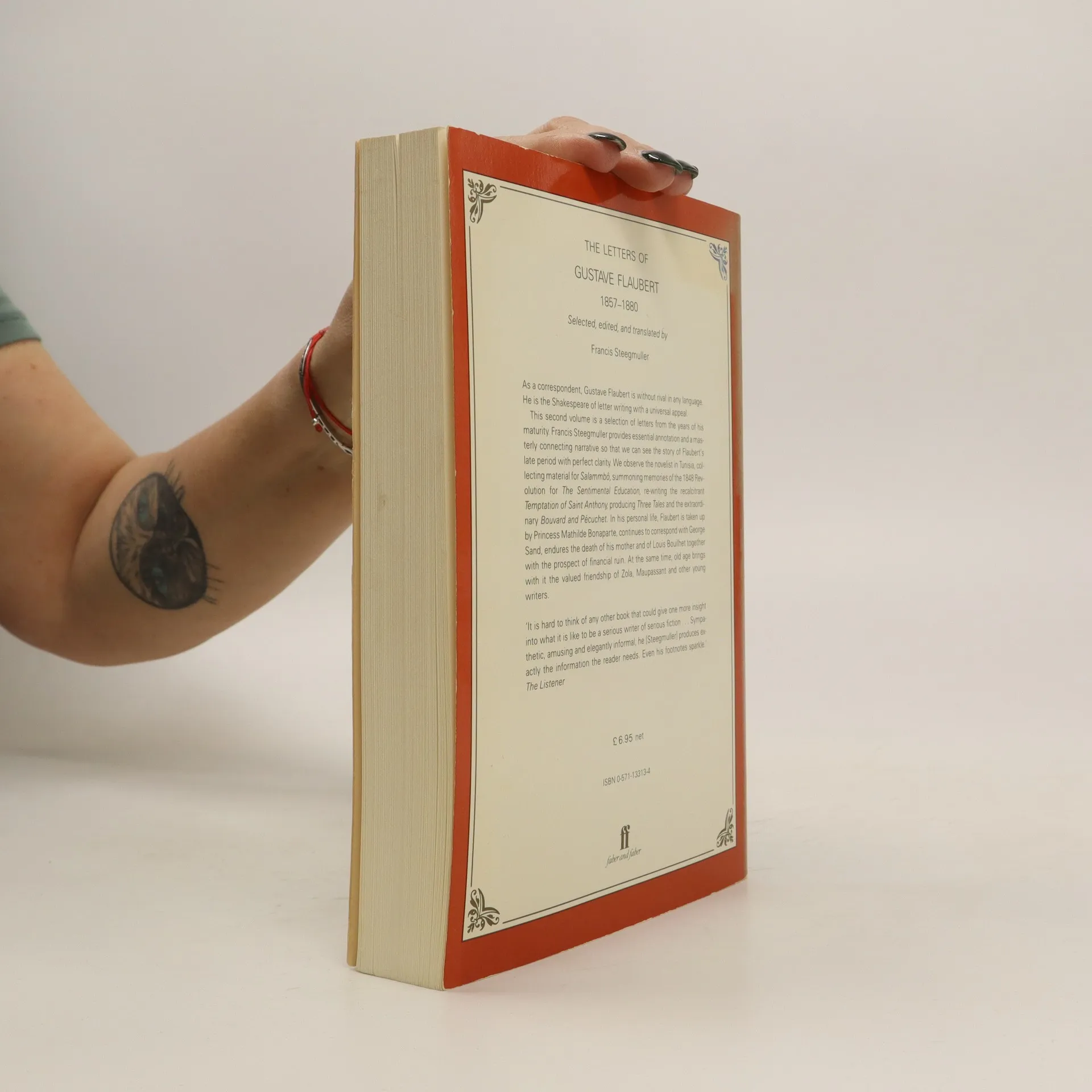
After being acquitted of charges related to "outrage of public morals and religion" following the publication of Madame Bovary, Gustave Flaubert emerged as a celebrated literary figure in 1857. Francis Steegmuller's collection of Flaubert's letters from this transformative period has been praised for its insightful editing and annotations, providing an intimate glimpse into the evolution of a writer who reshaped the novel. In this second volume, we witness Flaubert during his years of fame, as he creates notable works like Salammbô, L’Éducation sentimentale, The Temptation of Saint Anthony, Three Tales, and the unfinished Bouvard and Pecuchet. While adhering to his belief that an author should be omnipresent yet invisible in their work, Flaubert's letters reveal his emotional depth and strong opinions on various issues. His travels to Tunisia inspire Salammbô, while his reflections on the Revolution of 1848 and the romantic entanglements of Frederic Moreau in L’Éducation sentimentale highlight his literary prowess. Flaubert's connections with the Second Empire Court and his friendship with Princess Mathilde Bonaparte are notable, but it is his correspondence with the sympathetic George Sand that stands out, showcasing a rich dialogue on life and literature. Despite personal losses, including the deaths of loved ones and financial troubles, Flaubert's later years are illuminated by friendships with contemporaries like Guy
Zakup książki
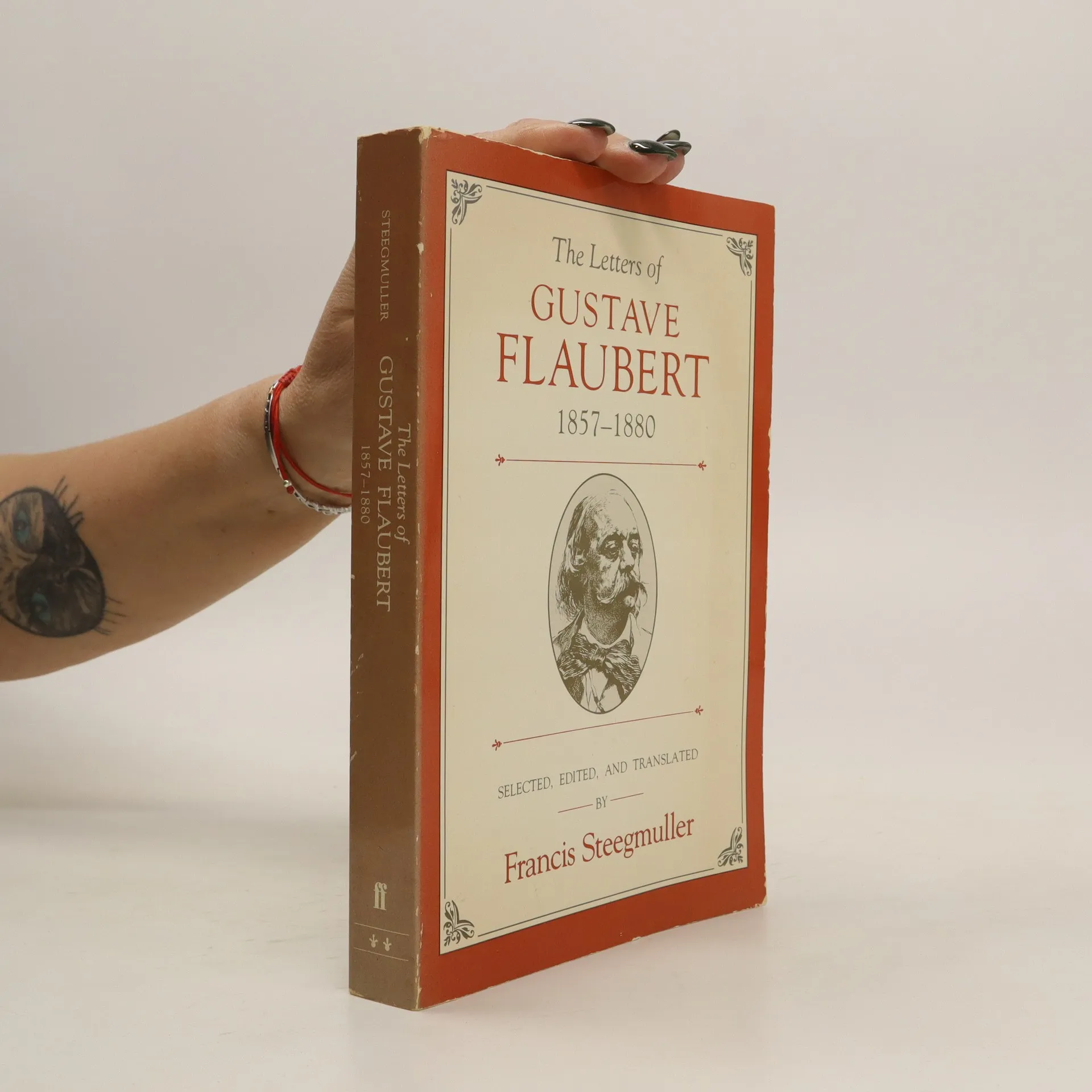
The Letters of Gustave Flaubert, 1857-1880, Gustave Flaubert, Francis Steegmuller
- Język

- Rok wydania
- 1984
- Oprawa
- (miękka)
Metody płatności
Nikt jeszcze nie ocenił.
- Tytuł
- The Letters of Gustave Flaubert, 1857-1880
- Język
- angielski
- Autorzy
- Gustave Flaubert, Francis Steegmuller
- Wydawca
- Faber Faber Inc
- Rok wydania
- 1984
- Oprawa
- miękka
- Liczba stron
- 310
- ISBN10
- 0571133134
- ISBN13
- 9780571133130
- Seria
- Tagi
- Francja
- Opis
- After being acquitted of charges related to "outrage of public morals and religion" following the publication of Madame Bovary, Gustave Flaubert emerged as a celebrated literary figure in 1857. Francis Steegmuller's collection of Flaubert's letters from this transformative period has been praised for its insightful editing and annotations, providing an intimate glimpse into the evolution of a writer who reshaped the novel. In this second volume, we witness Flaubert during his years of fame, as he creates notable works like Salammbô, L’Éducation sentimentale, The Temptation of Saint Anthony, Three Tales, and the unfinished Bouvard and Pecuchet. While adhering to his belief that an author should be omnipresent yet invisible in their work, Flaubert's letters reveal his emotional depth and strong opinions on various issues. His travels to Tunisia inspire Salammbô, while his reflections on the Revolution of 1848 and the romantic entanglements of Frederic Moreau in L’Éducation sentimentale highlight his literary prowess. Flaubert's connections with the Second Empire Court and his friendship with Princess Mathilde Bonaparte are notable, but it is his correspondence with the sympathetic George Sand that stands out, showcasing a rich dialogue on life and literature. Despite personal losses, including the deaths of loved ones and financial troubles, Flaubert's later years are illuminated by friendships with contemporaries like Guy