



Więcej o książce
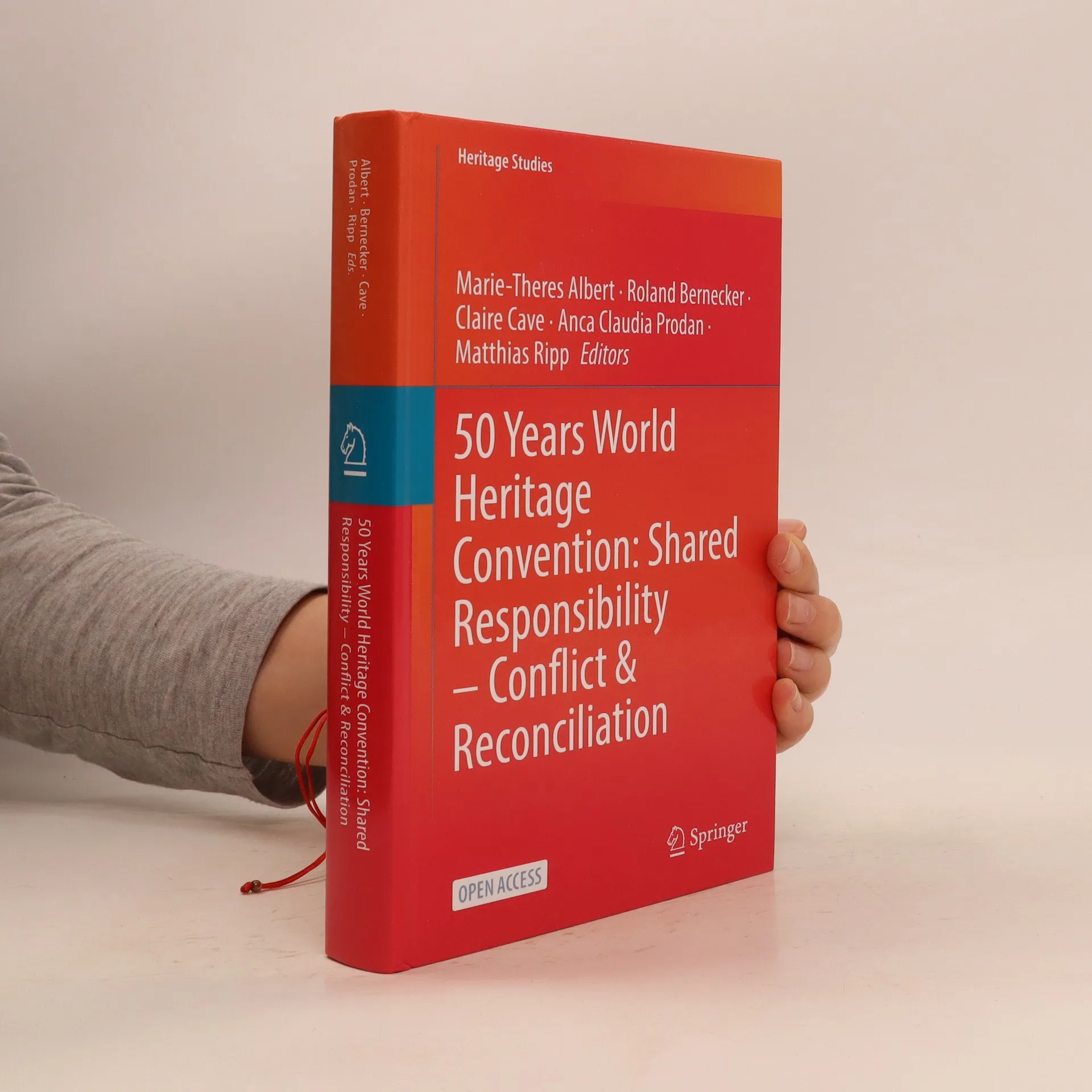
This open access book identifies various forms of heritage destruction and analyses their causes. It proposes strategies for avoiding and solving conflicts, based on integrating heritage into the 2030 Agenda for Sustainable Development. It reflects on the identity-building role of heritage, on multidimensional conflicts and the destruction of heritage, and considers conflict-solving strategies and future perspectives. Furthermore, it engages theoretically and practically with the concepts of responsibility, reconciliation and sustainability, relating mainly to four Sustainable Development Goals, i. e. SDGs 4 (education), 11 (e. g. World Heritage), 13 (climate action) and 17 (partnerships for the goals). More than 160 countries have inscribed properties on the UNESCO World Heritage list since the World Heritage Convention came into force. Improvements in the implementation of the Convention, such as the Global Strategy for a Representative, Balanced and Credible World HeritageList, have occurred, but other conflicts have not been solved. The book advocates for a balanced distribution of properties and more effective strategies to represent the global diversity of cultural and natural heritage. Furthermore it highlights the importance of heritage in identity building.
Zakup książki
50 Years World Heritage Convention: Shared Responsibility – Conflict & Reconciliation, Roland Bernecker, Matthias Ripp, Marie-Theres Albert, Anca Claudia Prodan, Claire Cave
- Język

- Rok wydania
- 2022
- Oprawa
- (twarda)
Metody płatności
Nikt jeszcze nie ocenił.
- Tytuł
- 50 Years World Heritage Convention: Shared Responsibility – Conflict & Reconciliation
- Język
- angielski
- Wydawca
- Springer
- Rok wydania
- 2022
- Oprawa
- twarda
- Liczba stron
- 544
- ISBN10
- 3031056590
- ISBN13
- 9783031056598
- Seria
- Kategorie
- Tagi
- Opis
- This open access book identifies various forms of heritage destruction and analyses their causes. It proposes strategies for avoiding and solving conflicts, based on integrating heritage into the 2030 Agenda for Sustainable Development. It reflects on the identity-building role of heritage, on multidimensional conflicts and the destruction of heritage, and considers conflict-solving strategies and future perspectives. Furthermore, it engages theoretically and practically with the concepts of responsibility, reconciliation and sustainability, relating mainly to four Sustainable Development Goals, i. e. SDGs 4 (education), 11 (e. g. World Heritage), 13 (climate action) and 17 (partnerships for the goals). More than 160 countries have inscribed properties on the UNESCO World Heritage list since the World Heritage Convention came into force. Improvements in the implementation of the Convention, such as the Global Strategy for a Representative, Balanced and Credible World HeritageList, have occurred, but other conflicts have not been solved. The book advocates for a balanced distribution of properties and more effective strategies to represent the global diversity of cultural and natural heritage. Furthermore it highlights the importance of heritage in identity building.