

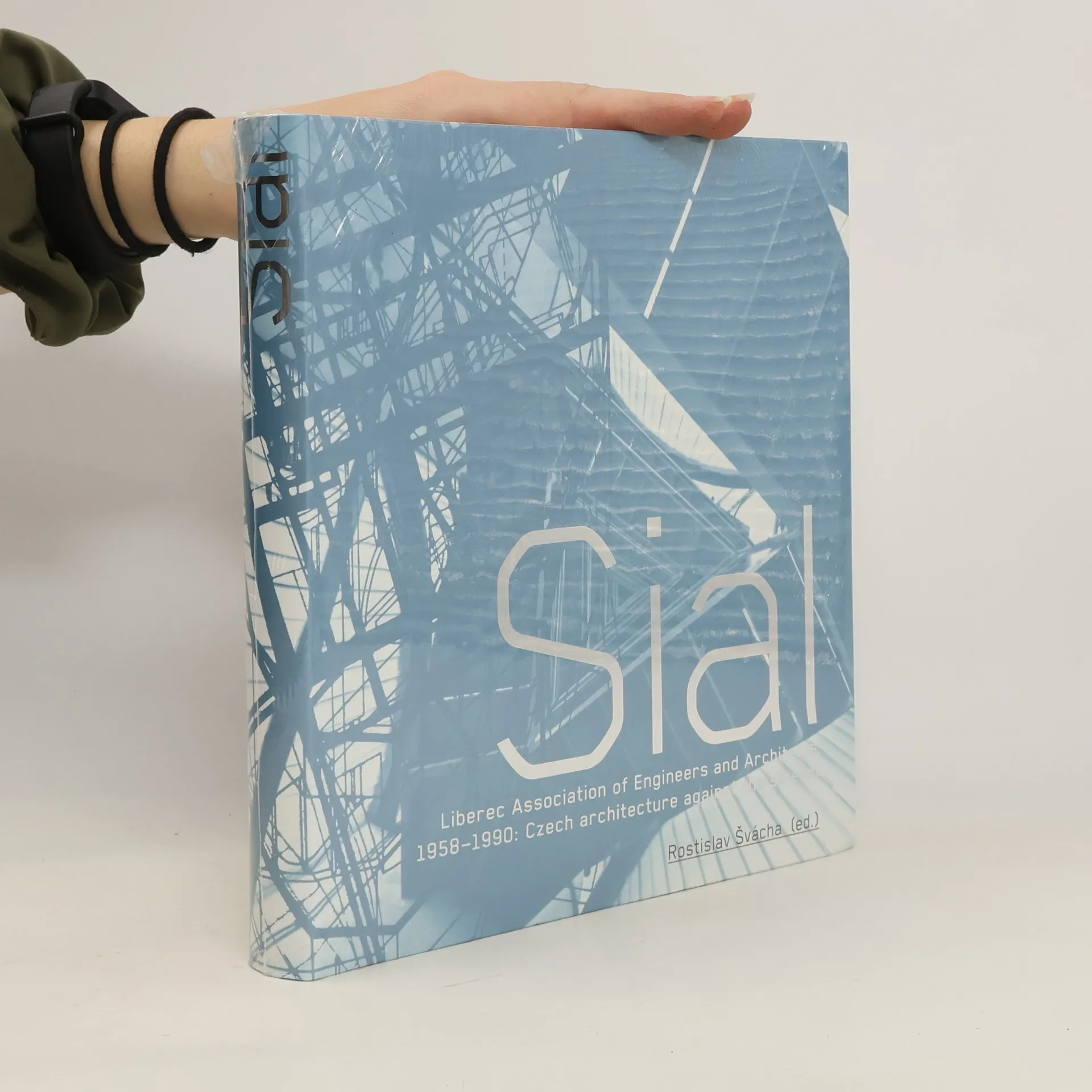
Sial. Liberec association of engineers and architects, 1958-1990: Czech architecture against the stream
Autorzy
- kolektiv
Ocena książki
Więcej o książce
This monograph documents, for the first time, the work of the Liberec Association of Engineers and Architects--known as SIAL--founded in 1968 by the Czech architects Karel Hubacek, Miroslav Masák and Otakar Binar. Joined by other prominent modernist architects in Prague, the group was active into the 1980s. Despite difficult political circumstances, SIAL gained recognition both at home and among Western architects. This book looks at the work of the Liberec collective in its full scope. The first three chapters, presenting SIAL's production from the 60s, 70s and 80s, are followed by an analysis of 25 of their most important projects and buildings, as well as profiles of the most prominent SIAL architects, with a supplement comprising almost 500 reproductions.
Zakup książki
Sial. Liberec association of engineers and architects, 1958-1990: Czech architecture against the stream, kolektiv
- Język

- Rok wydania
- 2012
- Oprawa
- (zintegrowana)
Metody płatności
Brakuje nam tutaj Twojej recenzji.
- Tytuł
- Sial. Liberec association of engineers and architects, 1958-1990: Czech architecture against the stream
- Język
- angielski
- Autorzy
- kolektiv
- Wydawca
- Arbor vitae
- Rok wydania
- 2012
- Oprawa
- zintegrowana
- Liczba stron
- 301
- ISBN10
- 8087164873
- ISBN13
- 9788087164877
- Seria
- Tagi
- Architektura
- Ocena
- 4,65 z 5
- Opis
- This monograph documents, for the first time, the work of the Liberec Association of Engineers and Architects--known as SIAL--founded in 1968 by the Czech architects Karel Hubacek, Miroslav Masák and Otakar Binar. Joined by other prominent modernist architects in Prague, the group was active into the 1980s. Despite difficult political circumstances, SIAL gained recognition both at home and among Western architects. This book looks at the work of the Liberec collective in its full scope. The first three chapters, presenting SIAL's production from the 60s, 70s and 80s, are followed by an analysis of 25 of their most important projects and buildings, as well as profiles of the most prominent SIAL architects, with a supplement comprising almost 500 reproductions.