

Więcej o książce
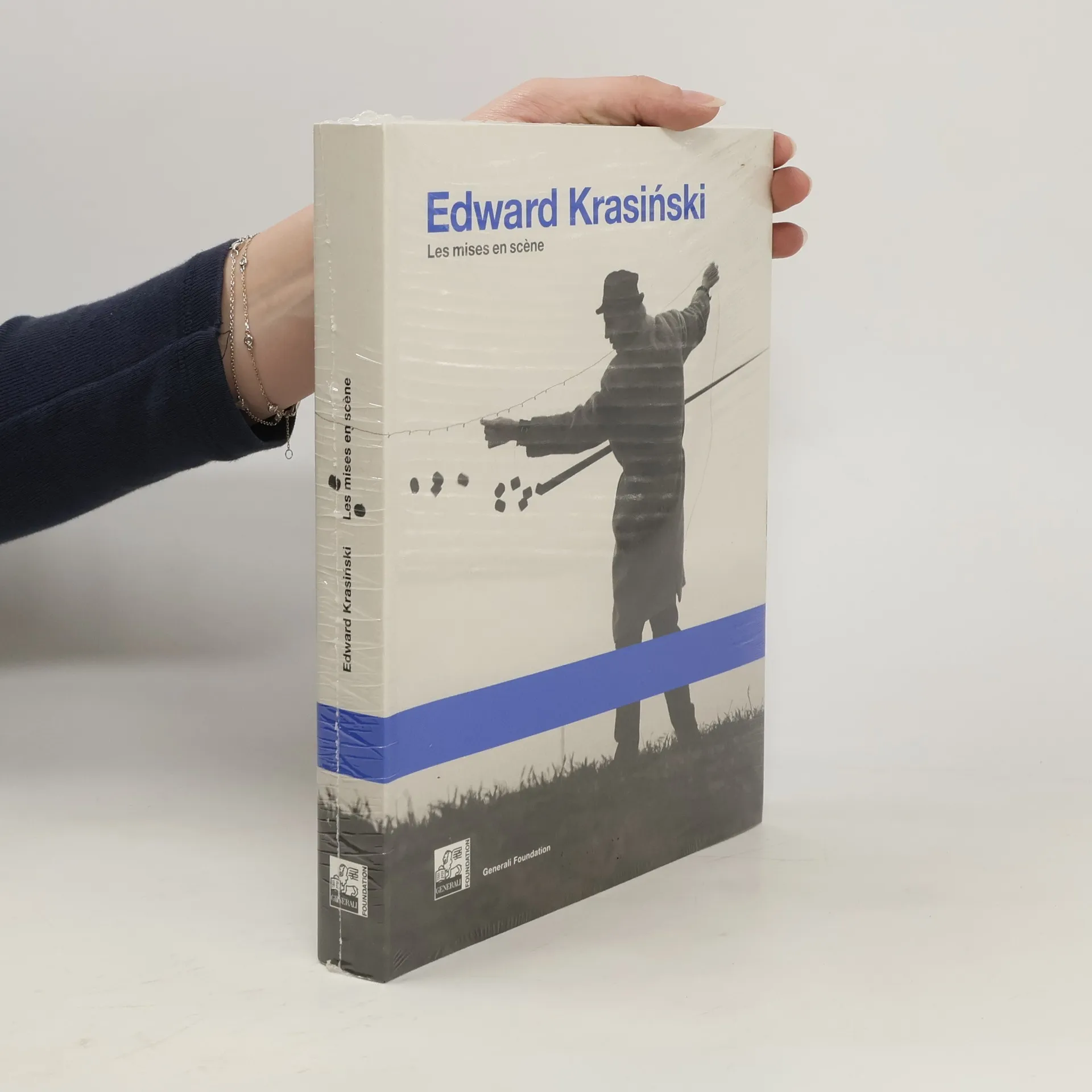
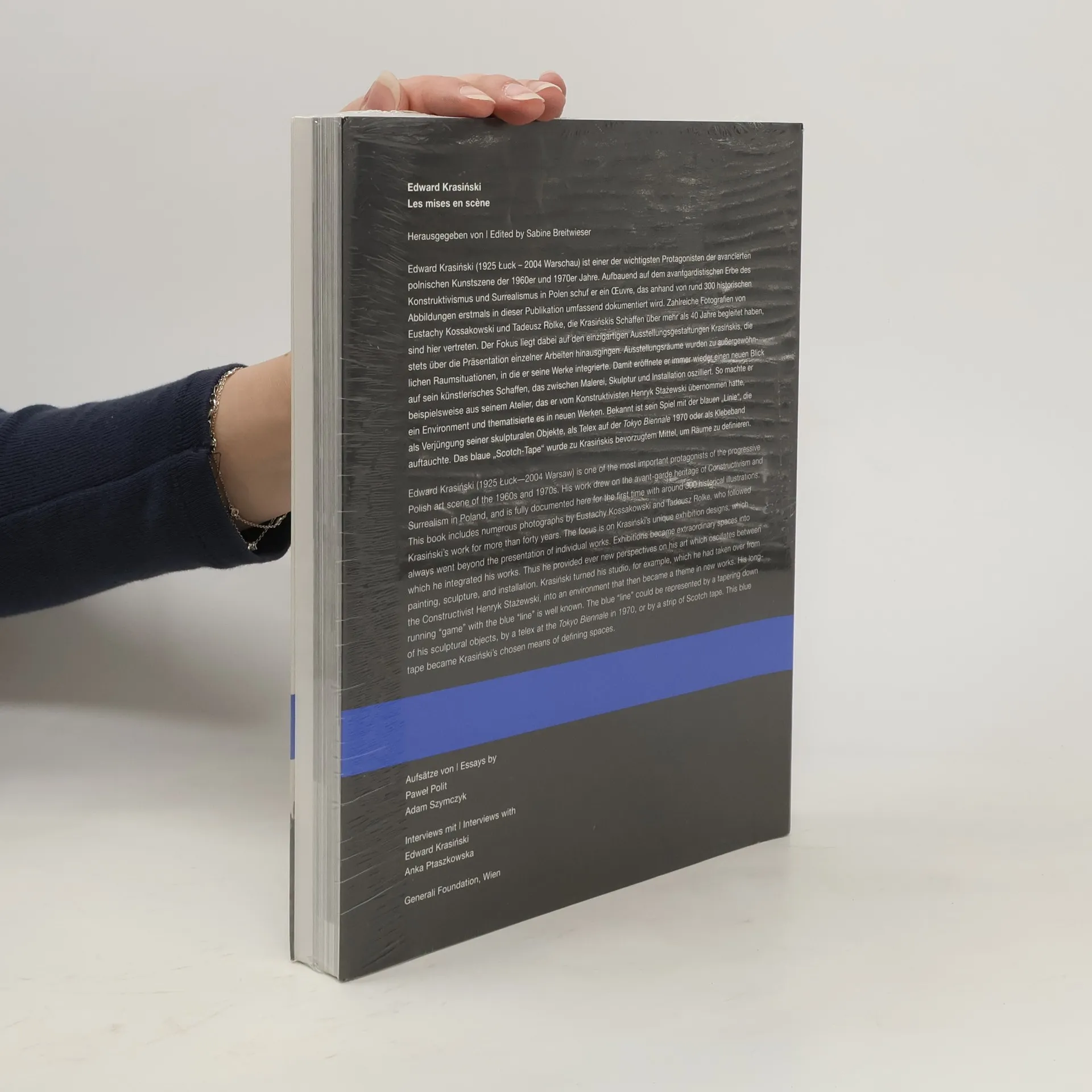
Edward Krasiński (1925–2004) is a key figure in the progressive Polish art scene of the 1960s and 1970s. His work, rooted in the avant-garde traditions of Constructivism and Surrealism, is comprehensively documented here for the first time with around 300 historical illustrations. This publication features numerous photographs by Eustachy Kossakowski and Tadeusz Rolke, who chronicled Krasiński’s artistic journey over more than four decades. The emphasis is on his distinctive exhibition designs, which transcended mere presentation of individual pieces. Krasiński transformed exhibition spaces into extraordinary environments, integrating his works in ways that offered fresh perspectives on his art, which spans painting, sculpture, and installation. For instance, he converted his studio, previously owned by Constructivist Henryk Stażewski, into a thematic environment for new creations. His well-known exploration of the blue “line” appears in various forms, such as tapering sculptural objects, a telex at the Tokyo Biennale in 1970, or strips of Scotch tape. This blue tape became his preferred method for defining spaces, showcasing his innovative approach to art and exhibition design.
Zakup książki
Edward Krasiński. Les mises en scene, Sabine Breitwieser
- Język

- Rok wydania
- 2006
- Oprawa
- (twarda)
Metody płatności
Nikt jeszcze nie ocenił.
- Tytuł
- Edward Krasiński. Les mises en scene
- Język
- angielski
- Autorzy
- Sabine Breitwieser
- Wydawca
- Generali Foundation
- Rok wydania
- 2006
- Oprawa
- twarda
- Liczba stron
- 351
- ISBN10
- 3901107495
- ISBN13
- 9783901107498
- Seria
- Kategorie
- Tagi
- Katalogi wystaw
- Opis
- Edward Krasiński (1925–2004) is a key figure in the progressive Polish art scene of the 1960s and 1970s. His work, rooted in the avant-garde traditions of Constructivism and Surrealism, is comprehensively documented here for the first time with around 300 historical illustrations. This publication features numerous photographs by Eustachy Kossakowski and Tadeusz Rolke, who chronicled Krasiński’s artistic journey over more than four decades. The emphasis is on his distinctive exhibition designs, which transcended mere presentation of individual pieces. Krasiński transformed exhibition spaces into extraordinary environments, integrating his works in ways that offered fresh perspectives on his art, which spans painting, sculpture, and installation. For instance, he converted his studio, previously owned by Constructivist Henryk Stażewski, into a thematic environment for new creations. His well-known exploration of the blue “line” appears in various forms, such as tapering sculptural objects, a telex at the Tokyo Biennale in 1970, or strips of Scotch tape. This blue tape became his preferred method for defining spaces, showcasing his innovative approach to art and exhibition design.