



Parametry
Więcej o książce
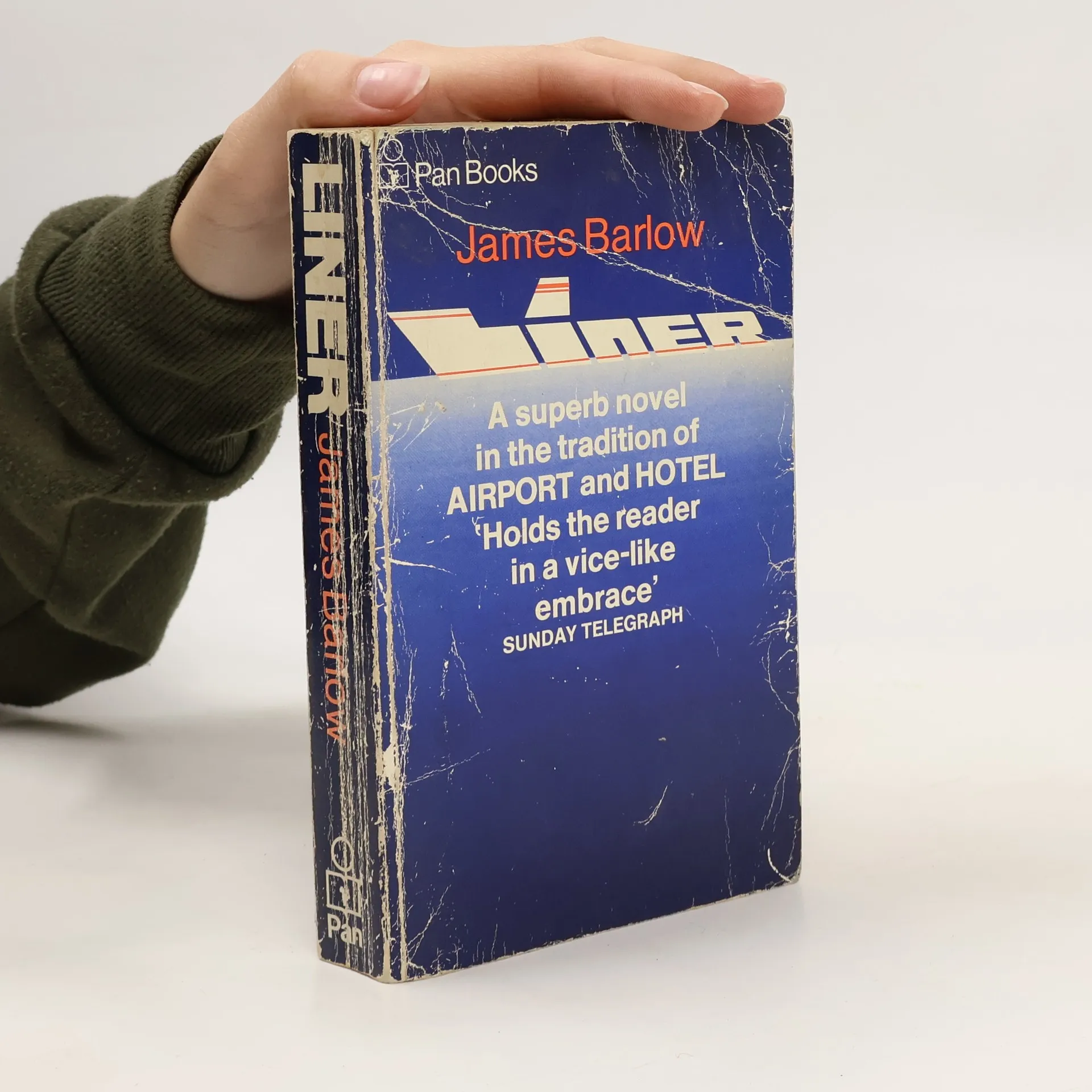
English writer James Barlow (1921-1973) from Birmingham served as an artillery instructor during the war, then recovered from tuberculosis, and dedicated himself primarily to literature from the end of the war until his death. His novel "Liner" (1970) belongs to the genre of thematic novels. Barlow describes the diverse society on an ocean liner during a peaceful voyage and during a tropical storm. In addition to passengers of various ages, interests, and professions, the crew includes officers, stewards, engineers, doctors, nurses, cabaret singers, and dancers, as well as gigolos and gangsters - the author vividly and convincingly depicts them in their daily duties and during entertainment. He writes not only about the passengers' leisure and the crew's daily schedule but also about common worries and troubles, personal issues, and individual crises. At the center of the novel is the ship itself, providing insights into navigation techniques as well as the commercial and administrative aspects of maritime travel. Barlow's book, aimed at a broad readership, has undeniable educational value - it conveys knowledge in an entertaining way that can be particularly fascinating for landlubbers while also presenting a critical view of the maritime shipping situation.
Zakup książki
Liner, James Barlow
- Język

- Rok wydania
- 1972
- Oprawa
- (miękka)
Metody płatności
Brakuje nam tutaj Twojej recenzji.
- Tytuł
- Liner
- Język
- angielski
- Autorzy
- James Barlow
- Wydawca
- Pan
- Rok wydania
- 1972
- Oprawa
- miękka
- ISBN10
- 0330232274
- ISBN13
- 9780330232272
- Seria
- Kategorie
- Ocena
- 3,2 z 5
- Opis
- English writer James Barlow (1921-1973) from Birmingham served as an artillery instructor during the war, then recovered from tuberculosis, and dedicated himself primarily to literature from the end of the war until his death. His novel "Liner" (1970) belongs to the genre of thematic novels. Barlow describes the diverse society on an ocean liner during a peaceful voyage and during a tropical storm. In addition to passengers of various ages, interests, and professions, the crew includes officers, stewards, engineers, doctors, nurses, cabaret singers, and dancers, as well as gigolos and gangsters - the author vividly and convincingly depicts them in their daily duties and during entertainment. He writes not only about the passengers' leisure and the crew's daily schedule but also about common worries and troubles, personal issues, and individual crises. At the center of the novel is the ship itself, providing insights into navigation techniques as well as the commercial and administrative aspects of maritime travel. Barlow's book, aimed at a broad readership, has undeniable educational value - it conveys knowledge in an entertaining way that can be particularly fascinating for landlubbers while also presenting a critical view of the maritime shipping situation.