

Więcej o książce
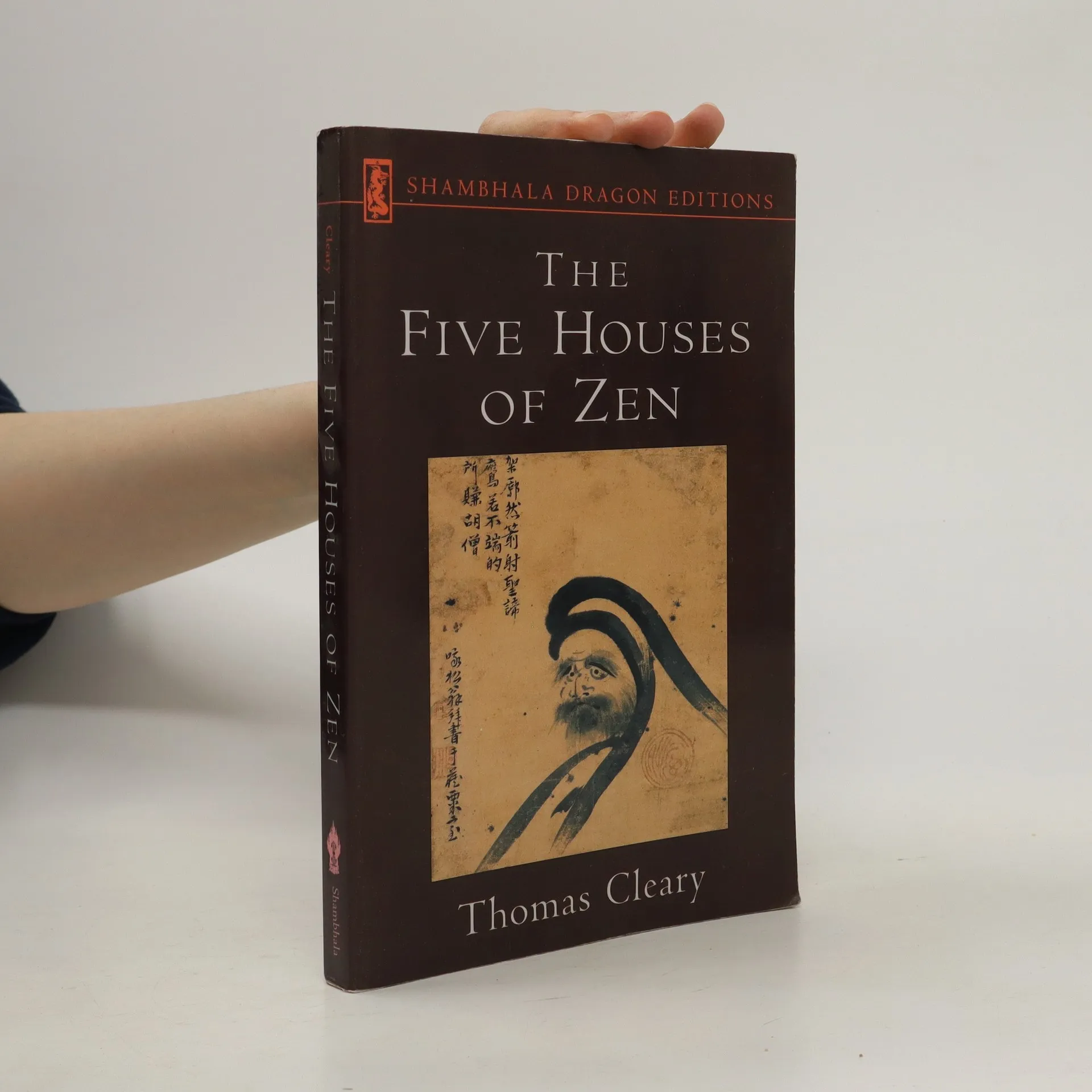
For all its emphasis on the direct experience on insight without reliance on the products of the intellect, the Zen tradition has created a huge body of writings. Of this cast literature, the writings associated with the so-called Five Houses of Zen are widely considered to be preeminent. These Five Houses—which arose in China during the ninth and tenth centuries, often referred to as the Golden Age of Zen—were not schools or sects but styles of Zen teaching represented by some of the most outstanding masters in Zen history. The writing of these great Zen teachers are presented here, many translated for the first time. These • The sayings of Pai-chang, famous for his Zen dictum "A day without work, a day without food." • Selections from Kuei-shan's collection of Zen admonitions, considered essential reading by numerous Buddhist teachers. • Sun-chi's unique discussion of the inner meaning of the circular symbol in Zen teaching. • Sayings of Huang-po from The Essential Method of Transmission of Mind. • Excerpts from The Record of Lin-chi , a great classical text of Zen literature. • Ts'ao-shan's presentation of the famous teaching device known as the Five Ranks. • Selections of poetry from the Cascade Collection by Hsueh-tou, renowned for his poetic commentaries on the classic Blue Cliff Record. • Yung-ming's teachings on how to balance the two basic aspects of concentration and insight.
Zakup książki
The Five Houses of Zen, Thomas F. Cleary
- Język

- Rok wydania
- 1997
- Oprawa
- (miękka)
Metody płatności
Brakuje nam tutaj Twojej recenzji.
- Tytuł
- The Five Houses of Zen
- Język
- angielski
- Autorzy
- Thomas F. Cleary
- Wydawca
- Shambhala
- Rok wydania
- 1997
- Oprawa
- miękka
- ISBN10
- 1570622922
- ISBN13
- 9781570622922
- Seria
- Ocena
- 4,1 z 5
- Opis
- For all its emphasis on the direct experience on insight without reliance on the products of the intellect, the Zen tradition has created a huge body of writings. Of this cast literature, the writings associated with the so-called Five Houses of Zen are widely considered to be preeminent. These Five Houses—which arose in China during the ninth and tenth centuries, often referred to as the Golden Age of Zen—were not schools or sects but styles of Zen teaching represented by some of the most outstanding masters in Zen history. The writing of these great Zen teachers are presented here, many translated for the first time. These • The sayings of Pai-chang, famous for his Zen dictum "A day without work, a day without food." • Selections from Kuei-shan's collection of Zen admonitions, considered essential reading by numerous Buddhist teachers. • Sun-chi's unique discussion of the inner meaning of the circular symbol in Zen teaching. • Sayings of Huang-po from The Essential Method of Transmission of Mind. • Excerpts from The Record of Lin-chi , a great classical text of Zen literature. • Ts'ao-shan's presentation of the famous teaching device known as the Five Ranks. • Selections of poetry from the Cascade Collection by Hsueh-tou, renowned for his poetic commentaries on the classic Blue Cliff Record. • Yung-ming's teachings on how to balance the two basic aspects of concentration and insight.