


Więcej o książce
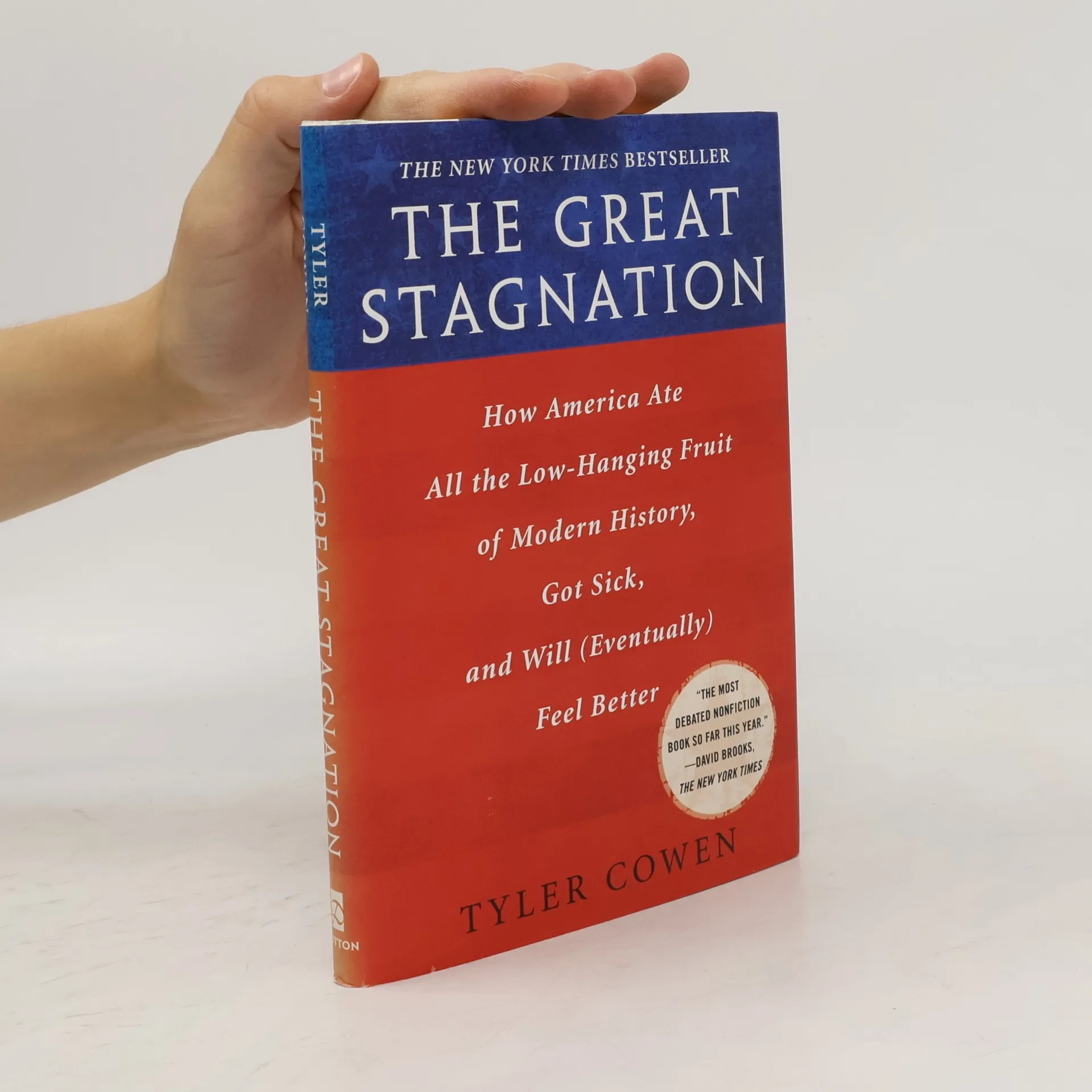
Tyler Cowen's work ignites a debate on America's economic malaise, following the most significant financial crisis since the Great Depression. With alarming unemployment rates and stagnant wages since the 1970s, the outlook appears bleak. The prolonged stagnation raises the question of how to escape this predicament. One political party advocates for increased government spending without a viable plan for funding programs like Medicare and Social Security, while the other promotes tax cuts that have historically led to larger fiscal disasters. Cowen posits that our economy has thrived on "low-hanging fruit" since the seventeenth century—free land, immigrant labor, and groundbreaking technologies. However, over the past forty years, this easy access has diminished, yet society continues to act as if it remains. We are, according to Cowen, at a technological plateau, with fewer resources than we acknowledge. This realization sheds light on the irrationality of our political landscape. He explores the root causes of past prosperity and advocates for a renewed appreciation of scientific innovations that can benefit all, not just the elite. This work serves as a passionate call to rethink our approach to economic growth and innovation.
Zakup książki
The Great Stagnation, Tyler Cowen
- Język

- Rok wydania
- 2011
- Oprawa
- (twarda),
- Stan książki
- Dobry
- Cena
- 14,08 zł
Metody płatności
Brakuje nam tutaj Twojej recenzji.
- Tytuł
- The Great Stagnation
- Język
- angielski
- Autorzy
- Tyler Cowen
- Wydawca
- Dutton Books
- Rok wydania
- 2011
- Oprawa
- twarda
- Liczba stron
- 109
- ISBN10
- 0525952713
- ISBN13
- 9780525952718
- Seria
- Kategorie
- Ocena
- 3,65 z 5
- Opis
- Tyler Cowen's work ignites a debate on America's economic malaise, following the most significant financial crisis since the Great Depression. With alarming unemployment rates and stagnant wages since the 1970s, the outlook appears bleak. The prolonged stagnation raises the question of how to escape this predicament. One political party advocates for increased government spending without a viable plan for funding programs like Medicare and Social Security, while the other promotes tax cuts that have historically led to larger fiscal disasters. Cowen posits that our economy has thrived on "low-hanging fruit" since the seventeenth century—free land, immigrant labor, and groundbreaking technologies. However, over the past forty years, this easy access has diminished, yet society continues to act as if it remains. We are, according to Cowen, at a technological plateau, with fewer resources than we acknowledge. This realization sheds light on the irrationality of our political landscape. He explores the root causes of past prosperity and advocates for a renewed appreciation of scientific innovations that can benefit all, not just the elite. This work serves as a passionate call to rethink our approach to economic growth and innovation.