

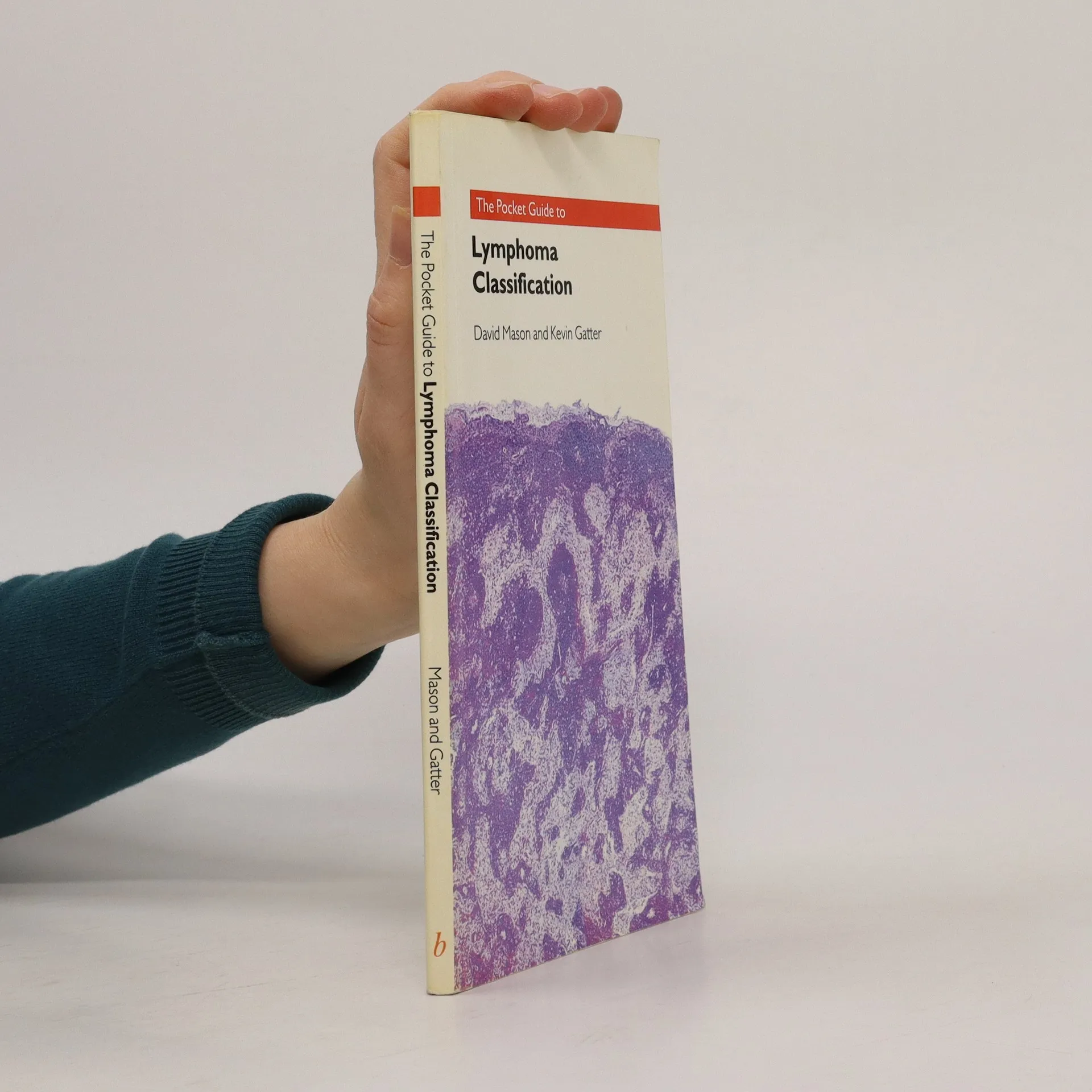
Więcej o książce
The classification of lymphomas is a real headache: lymphomas often go by different names in different publications, and while some lymphoma categories are easy to recognise, others are disturbingly prone to subjective variability. Two standard classifications, one used predominantly in the US, the other in Europe, have been used and adapted over many years. A third, the REAL Classification, was published in 1993. It built on previous classifications and defines diseases by: morphology; immunology and genetics; clinical presentation and course; or normal counterpart in the immune system.The REAL Classification has won many devotees around the world. It is complex, however, and describes a much larger number of disease entities than many care to carry around in their head, so this book summarises the classification systems in a format that can fit into their pockets.
Zakup książki
The pocket guide to lymphoma classification, David Mason, Kevin Gatter
- Język

- Rok wydania
- 1998
- Oprawa
- (miękka)
Metody płatności
Nikt jeszcze nie ocenił.
- Tytuł
- The pocket guide to lymphoma classification
- Język
- angielski
- Autorzy
- David Mason, Kevin Gatter
- Wydawca
- Blackwell Science
- Rok wydania
- 1998
- Oprawa
- miękka
- Liczba stron
- 99
- ISBN10
- 0632050969
- ISBN13
- 9780632050963
- Seria
- Kategorie
- Opis
- The classification of lymphomas is a real headache: lymphomas often go by different names in different publications, and while some lymphoma categories are easy to recognise, others are disturbingly prone to subjective variability. Two standard classifications, one used predominantly in the US, the other in Europe, have been used and adapted over many years. A third, the REAL Classification, was published in 1993. It built on previous classifications and defines diseases by: morphology; immunology and genetics; clinical presentation and course; or normal counterpart in the immune system.The REAL Classification has won many devotees around the world. It is complex, however, and describes a much larger number of disease entities than many care to carry around in their head, so this book summarises the classification systems in a format that can fit into their pockets.