

Więcej o książce
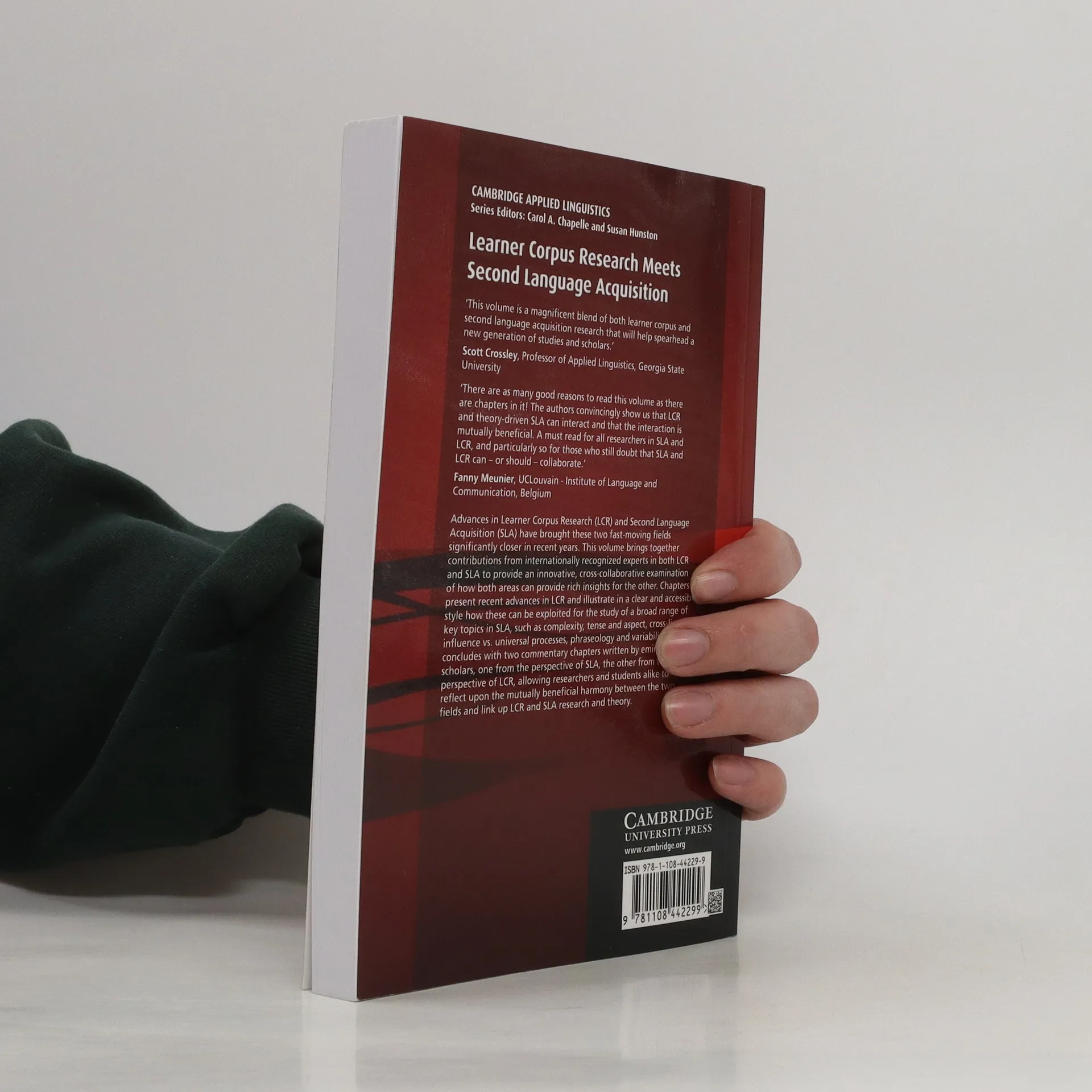
Advances in Learner Corpus Research (LCR) and Second Language Acquisition (SLA) have brought these two fast-moving fields significantly closer in recent years. This volume brings together contributions from internationally recognized experts in both LCR and SLA to provide an innovative, cross-collaborative examination of how both areas can provide rich insights for the other. Chapters present recent advances in LCR and illustrate in a clear and accessible style how these can be exploited for the study of a broad range of key topics in SLA, such as complexity, tense and aspect, cross-linguistic influence vs. universal processes, phraseology and variability. It concludes with two commentary chapters written by eminent scholars, one from the perspective of SLA, the other from the perspective of LCR, allowing researchers and students alike to reflect upon the mutually beneficial harmony between the two fields and link up LCR and SLA research and theory.
Zakup książki
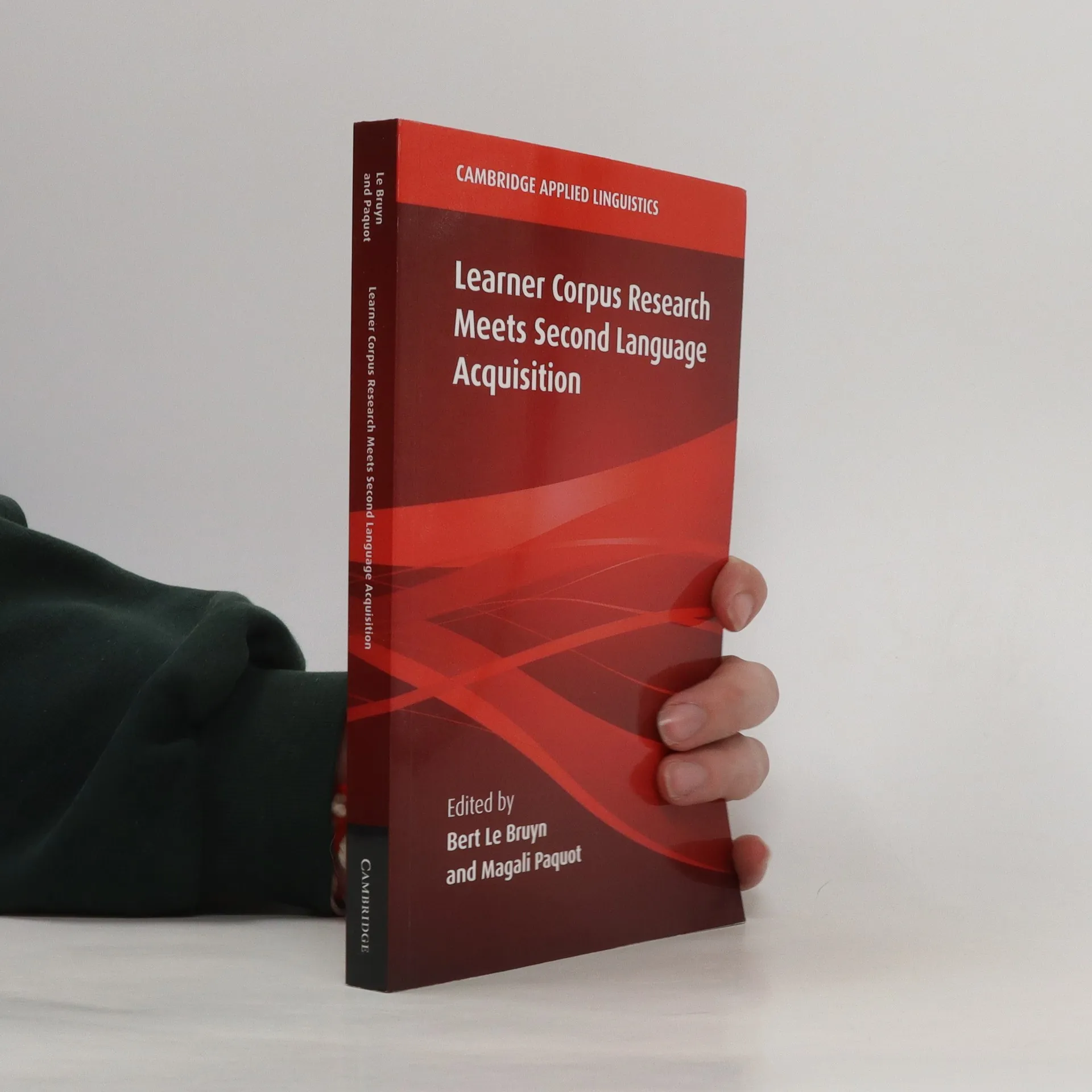
Learner Corpus Research Meets Second Language Acquisition, Bert Le Bruyn, Magali Paquot
- Język

- Rok wydania
- 2020
- Oprawa
- (miękka)
Metody płatności
Nikt jeszcze nie ocenił.
- Tytuł
- Learner Corpus Research Meets Second Language Acquisition
- Język
- angielski
- Autorzy
- Bert Le Bruyn, Magali Paquot
- Wydawca
- Cambridge University Press
- Rok wydania
- 2020
- Oprawa
- miękka
- Liczba stron
- 300
- ISBN10
- 1108442293
- ISBN13
- 9781108442299
- Seria
- Kategorie
- Opis
- Advances in Learner Corpus Research (LCR) and Second Language Acquisition (SLA) have brought these two fast-moving fields significantly closer in recent years. This volume brings together contributions from internationally recognized experts in both LCR and SLA to provide an innovative, cross-collaborative examination of how both areas can provide rich insights for the other. Chapters present recent advances in LCR and illustrate in a clear and accessible style how these can be exploited for the study of a broad range of key topics in SLA, such as complexity, tense and aspect, cross-linguistic influence vs. universal processes, phraseology and variability. It concludes with two commentary chapters written by eminent scholars, one from the perspective of SLA, the other from the perspective of LCR, allowing researchers and students alike to reflect upon the mutually beneficial harmony between the two fields and link up LCR and SLA research and theory.